
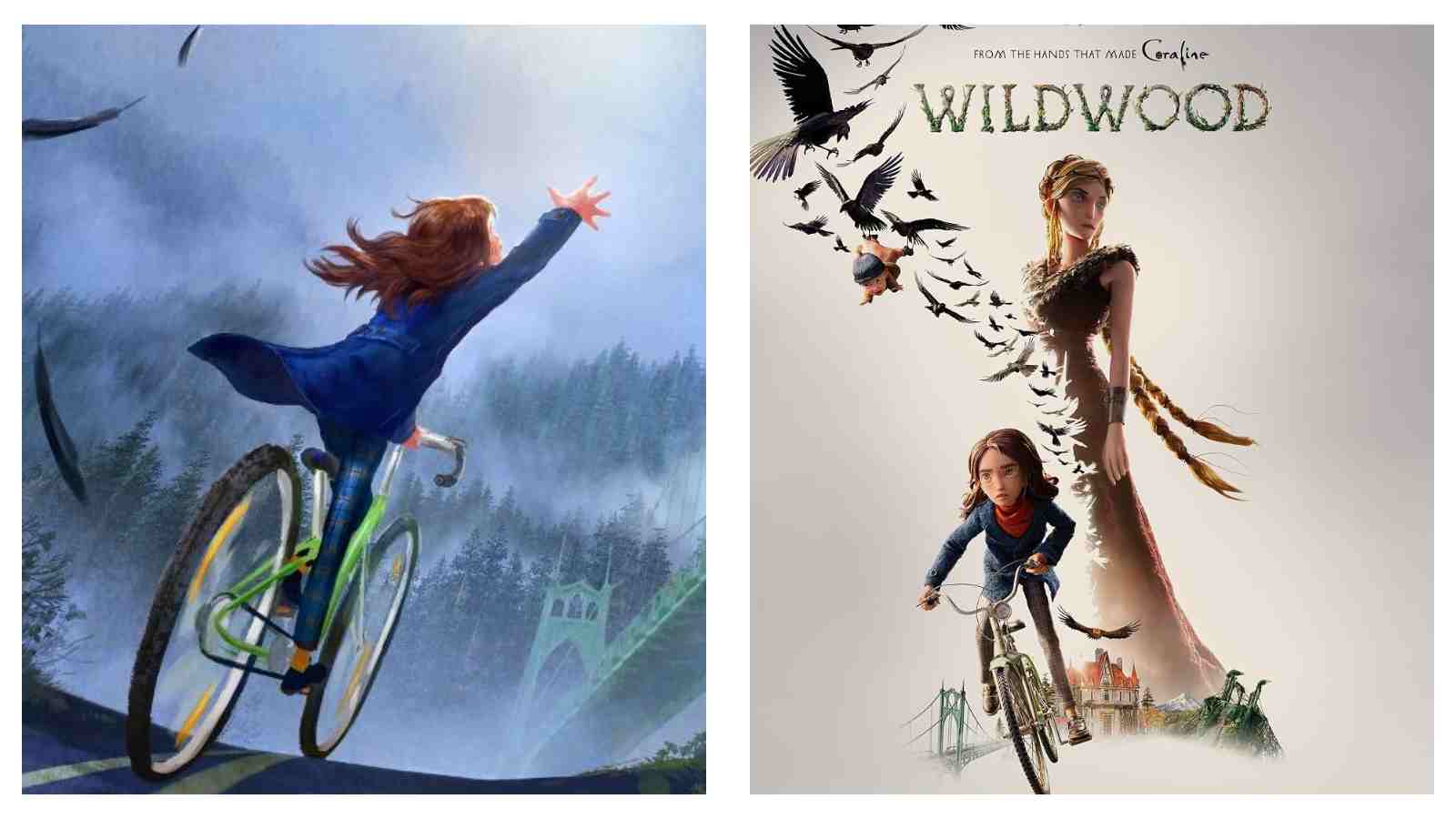
Animation studio Laika has spent years building the magical world of “Wildwood,” and the wilderness is finally ready to come to life in an upcoming film set to release on October 23 worldwide.
Think about forbidden forests, talking animals, and mystics existing just right on your doorstep, and it’s where you’ll find “Wildwood,” a split between Oregon’s Portland City and what they call the “Impassable Wilderness” where magic reigns.
But more than the awe and wonder of magic comes something far more intimately human in “Wildwood” – both in what story it tells, and how it was crafted.
From book to screen
Laika debuted the film’s official trailer on Wednesday, teasing a fantasy epic centred on Prue McKeel, voiced by Peyton Elizabeth Lee, who must launch a desperate rescue mission into an enchanted forest to save her baby brother after he was abducted by crows.
There, she meets talking animals, dangerous factions, and a grieving mother entangled in secrets.
The film is based on the first book of the “Wildwood Chronicles” from Colin Meloy, the frontman of rock band “The Decemberists.”
Laika President and CEO Travis Knight talked about adapting the book during this year’s Annecy International Animation Film Festival, which featured a special presentation of the upcoming film.
“I’m a huge fantasy nerd… I read ‘The Lord of Rings’ when I was a child and loved it,” he was cited by the Deadline.
“This story felt like it breathed that same air, but it was very specific because it was set in Portland, where I’m from, and it reimagined Portland as this sort of fantasy realm.”
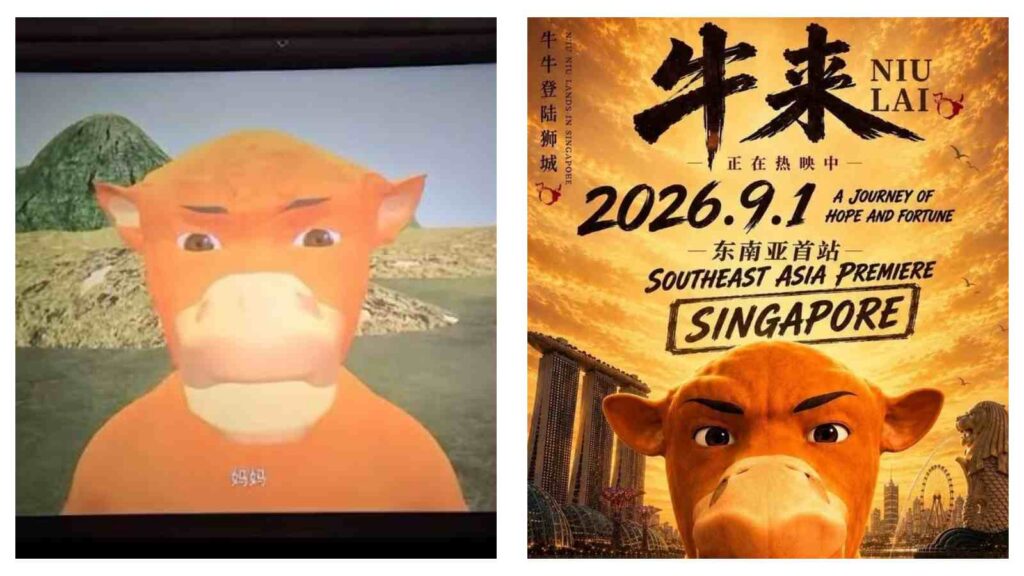
YOU MAY ALSO LIKE: Film news: Niu Lai – China’s box office bomb becomes viral hit
Love and loss at its core
Laika described “Wildwood” as a story of “love, loss, sacrifice, and secrets” but also about magic, in every sense of the word.
Prue, for instance, must journey into the unknown to rescue her little brother, putting the question at the centre: How far would you go for those you love?
“It’s also very emotional at the core. It felt like the perfect combination of a big fantasy epic and something that was very intimate,” Knight said.
He recalled how he got a glimpse of the story even before Meloy finished writing it and wanted to turn it into a film.
Meloy only had one request: Knight should not have the movie released before the books.
It played well into the kind of art Knight wanted to bring to life – through stop-motion, which often takes years to finish.
‘From the hands that created Coraline’
Laika has made a name for itself in the animation industry because of its bold use of stop-motion in filmmaking.
Since its award-winning movie “Coraline” in 2009, the studio has brought out a slate of highly successful stop-motion feature films including “ParaNorman” (2012), “The Boxtrolls” (2014), “Kubo and the Two Strings” (2016) and “Missing Link” (2019).
In an exclusive featurette that debuted on Entertainment Weekly, Knight described the art and beauty of stop-motion animation.
“Everything you see is hand-made, and has been crafted by somebody,” he said.
“Things that used to feel like they were virtually impossible back on ‘Coraline’ now we do as a matter of course.
“And that all led us to the film that we’re currently in production on now, Wildwood, which is the most expansive, the most ambitious, the most epic film we’ve ever done.”
An act of rebellion
This is especially poignant, considering the rise of AI in filmmaking.
Knight considers it “magic” when audiences relate to the characters made of silicone and plastic, as they are actually connecting with the animator who has brought them to life.
“At a time when entire worlds can be built with a click of a mouse and videos generated from a prompt, choosing to make a stop-motion film feels like a quiet act of rebellion.”
There is something intimately human, knowing everything in “Wildwood” was made with human hands to remind us of the wonder and awe of magic, grounded by a story many of us are familiar with.
But perhaps a version of “Wildwood” exists beyond each of our doorsteps, if only you know where to look.
READ NEXT: Readers are rejecting the never-ending TBR pile
 Jheruleene Anne Ramos
  Carmela Calling