
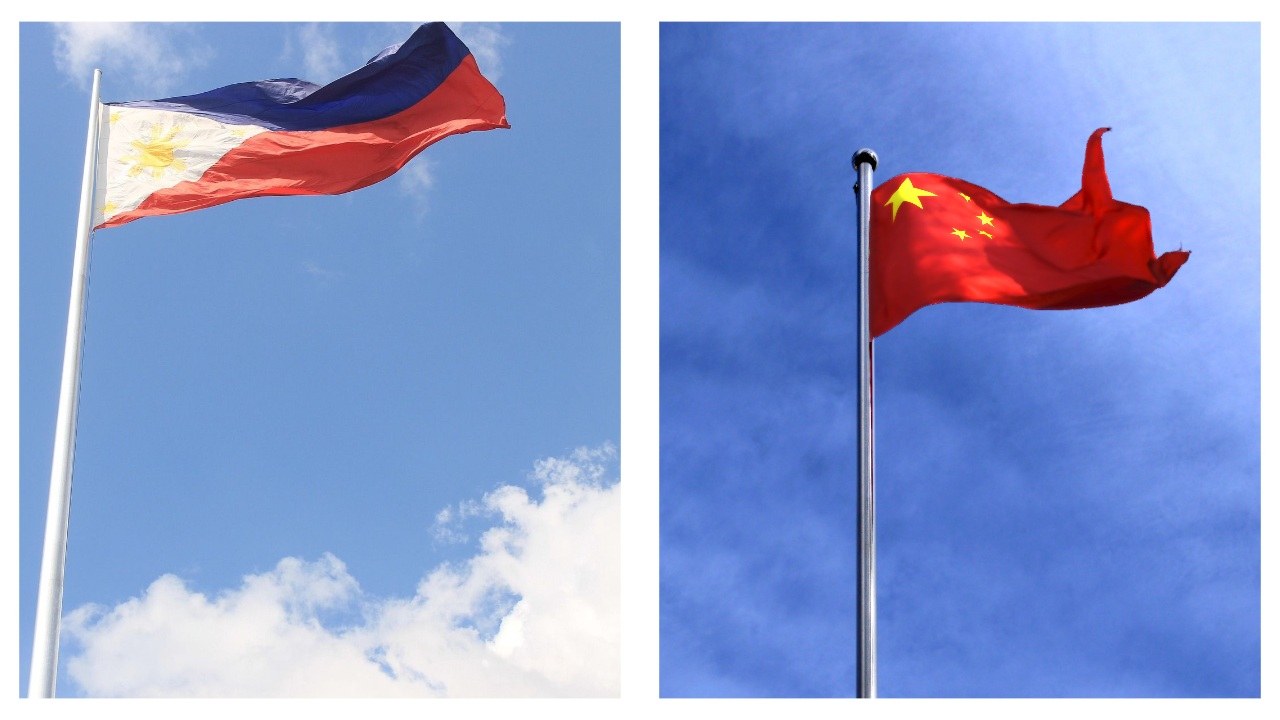
Manila is pursuing closer tourism ties with Beijing even as the Philippine Coast Guard (PCG) and the Chinese Embassy in Manila continue to trade accusations over disputed waters in the South China Sea (SCS).
The Tourism Promotions Board (TPB) has spent time rebuilding confidence among Chinese travellers, work that appears to be paying off despite persistent diplomatic rifts caused by maritime and geopolitical issues in the SCS.
The TPB said China remains a ‘key priority’ market for the Philippines, adding that it had generated an estimated PHP133.2 million (around EUR1.9 million) in sales leads from the Philippine-China Travel Exchange (PHILCHITEX) 2026, an event that brought together at least 30 Chinese travel operators.
“It is not simply about business matching,” TPB chief operating officer Maria Margarita Montemayor Nograles said in an interview with the Philippine News Agency.
“It is about creating long-term relationships, rebuilding momentum, and opening new pathways for collaboration between our tourism industries.”
TPB also reported that Chinese arrivals reached 221,747 in the first half of this year, a 64.08% rise compared to the same period in 2025, attributed largely to a 14-day visa-free entry scheme launched in January of this year.
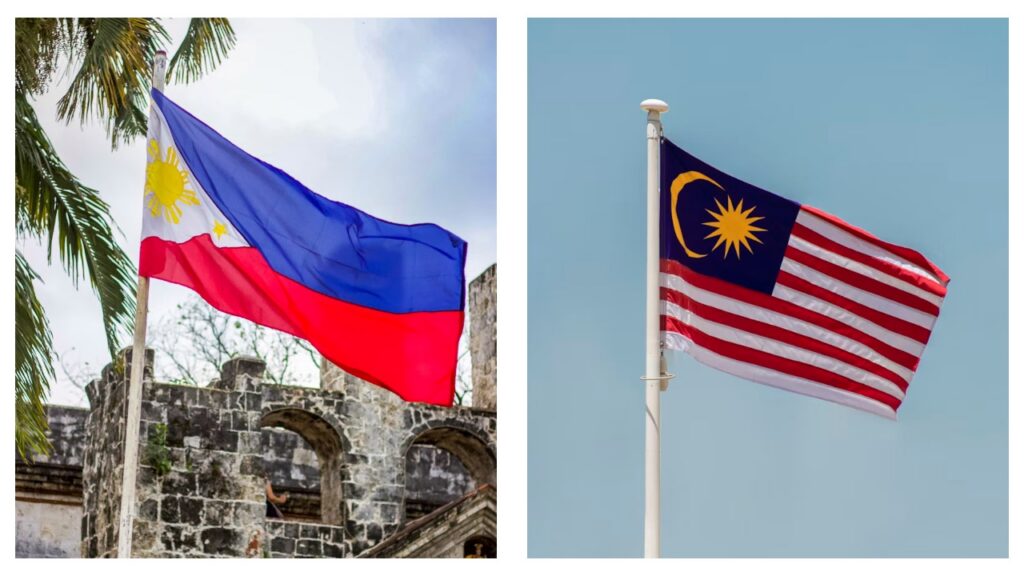
YOU MAY ALSO LIKE: Philippines, Malaysia set to boost bilateral trade as Kuala Lumpur backs Mindanao peace process
Caught in a ‘counter-diplomatic’ gridlock
Despite this tourism prioritisation, PCG spokesperson Rear Admiral Jay Tarriela and the Chinese Embassy in Manila were caught in a gridlock of exchanging counter-diplomatic banter on Monday, as both sides accused each other of spreading disinformation.
“I will answer every lie, because this fight was never about me,” Tarriela said.
“If China wins the battle of narratives and teaches us to accept defeat, the loss will not be ours alone. It will belong to the Filipino children not yet born, who will grow up believing what is ours was never worth defending. The truth shall set us all free.”
The Chinese Embassy responded through deputy spokesperson Guo Wei, who accused Tarriela of trying to inflame tensions and claimed he did not speak for ordinary Filipinos.
“Who commands Mr. Jay Tarriela to ‘work so hard,’ attacking and smearing China day after day?” Guo said, as reported by the Manila Standard.
“Both Chinese and Filipino peoples want peace, stability, and development — not conflict, confrontation, or war.
“Yet Tarriela tries to inflame tensions and provoke confrontation with lies and twisted narratives.
“If he speaks for anyone at all, he speaks only for those behind him who are intent on sowing discord and undermining China-Philippines relations.”
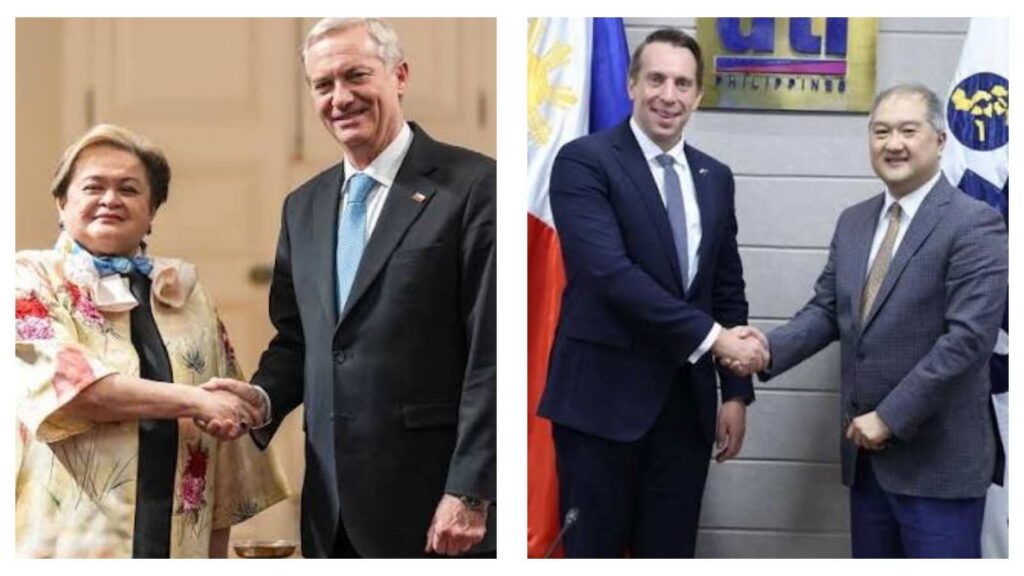
READ MORE: Manila, Santiago sign new tourism pact as Philippines, Chile mark 80 years of ties
New China visa rules take effect 15 September
Adding to these complex relations, the Philippine Embassy in Beijing warned Filipino travellers heading to China on Monday about stricter exit and entry regulations taking effect on 15 September 2026, under a new state decree tightening scrutiny of visa categories and declared travel purposes.
“The visa category you applied for must reflect your actual activities in China,” the embassy said.
“Authorities may question applicants and request supporting materials—including electronic records—to verify that your declared purpose is genuine and lawful.”
Although framed as not restricting legitimate travel, the timing raises questions about the trajectory of tourism relations between the two countries, given that maritime and geopolitical issues in the SCS remain a key factor in their potential development or decline.
READ NEXT: Taiwan to propose record defence budget for 2027
 KC Maderia
  James Mario Ajero
  Levi Mora