

Ukraine needs at least 120 missile interceptors each month to credibly protect its vital military and civilian infrastructure, according to Ukrainian president Volodymyr Zelensky.
This comes amid global supply cuts for air defence munitions due to high demand.
And with winter approaching, Ukraine’s military leaders have also emphasised the importance of the country’s energy grid in the fight against Russian missile attacks.
Supply shortfalls
Ukraine relies on the American-made MIM-104 Patriot PAC-3 system to intercept ballistic missile barrages from Russia.
According to NATO engagement doctrine, at least two missile interceptors are needed to confirm a kill against an incoming ballistic missile.
Meanwhile, Russia produces 140 ballistic missiles every month in various types.
That means Ukraine has to deploy 280 missile interceptors for a credible anti-ballistic missile shield in line with NATO’s standard command strategy.
However, global stockpiles of missile interceptors have substantially dipped due to high-intensity consumption from different military theatres, particularly in the Middle East.
Zelensky, though, has said that at least 120 missile interceptors would be the minimum requirement to prevent damage to Ukraine’s critical military and civilian facilities.
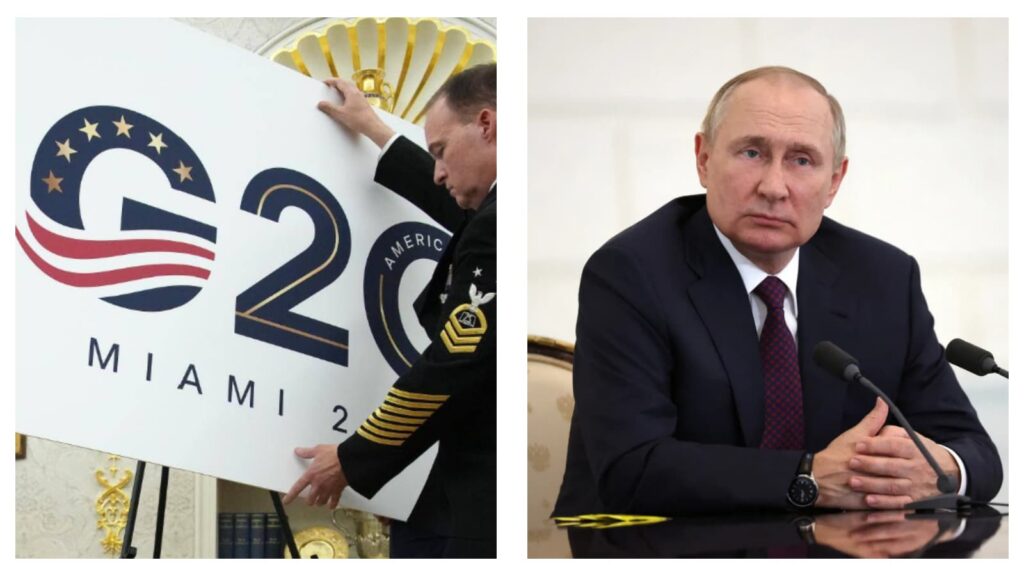
READ MORE: Russia’s return to G20 sparks mixed reactions as US eyes ‘global economic prosperity’
Behind-enemy-lines attacks
For Russia, consistently attacking Ukraine’s logistics supply chain could slow down the latter’s speed and effectiveness in deterring offensive operations on the front end of the conflict.
Damaging Kyiv’s power plants, transformers and heating infrastructure also puts pressure on Ukraine’s will to continue fighting the war, with civilians absorbing damage apart from the regular drone attacks.
This is especially true in winter when electricity is critical to keep internal industry production going and the Ukrainian economy running.
Additionally, a robust missile shield keeps humanitarian operations intact in Ukrainian cities.
With this goal in mind, Kyiv is leveraging its US and European partners to acquire additional munitions through assistance packages.
YOU MAY ALSO LIKE: Vatican commissioner arrives in Torreciudad amid ongoing Marian statue dispute

Stronger production
For their part, Lockheed Martin and other Western defence firms have collaborated to expand production for missile interceptors.
The manufacturing lines for the PAC-3 missile’s advanced variant, the Missile Segment Enhancement (MSE), were bolstered to address supply bottlenecks.
The MSE incorporates advanced features that increase coverage and lethality, making each missile both cost- and performance-effective for anti-ballistic missile protection.
READ NEXT: Hiro Murai makes Asian history with comedy directing win at Emmys
 Bobbie Matias
  Maybelene Marcelino
  Geoffrey H. Latayan