
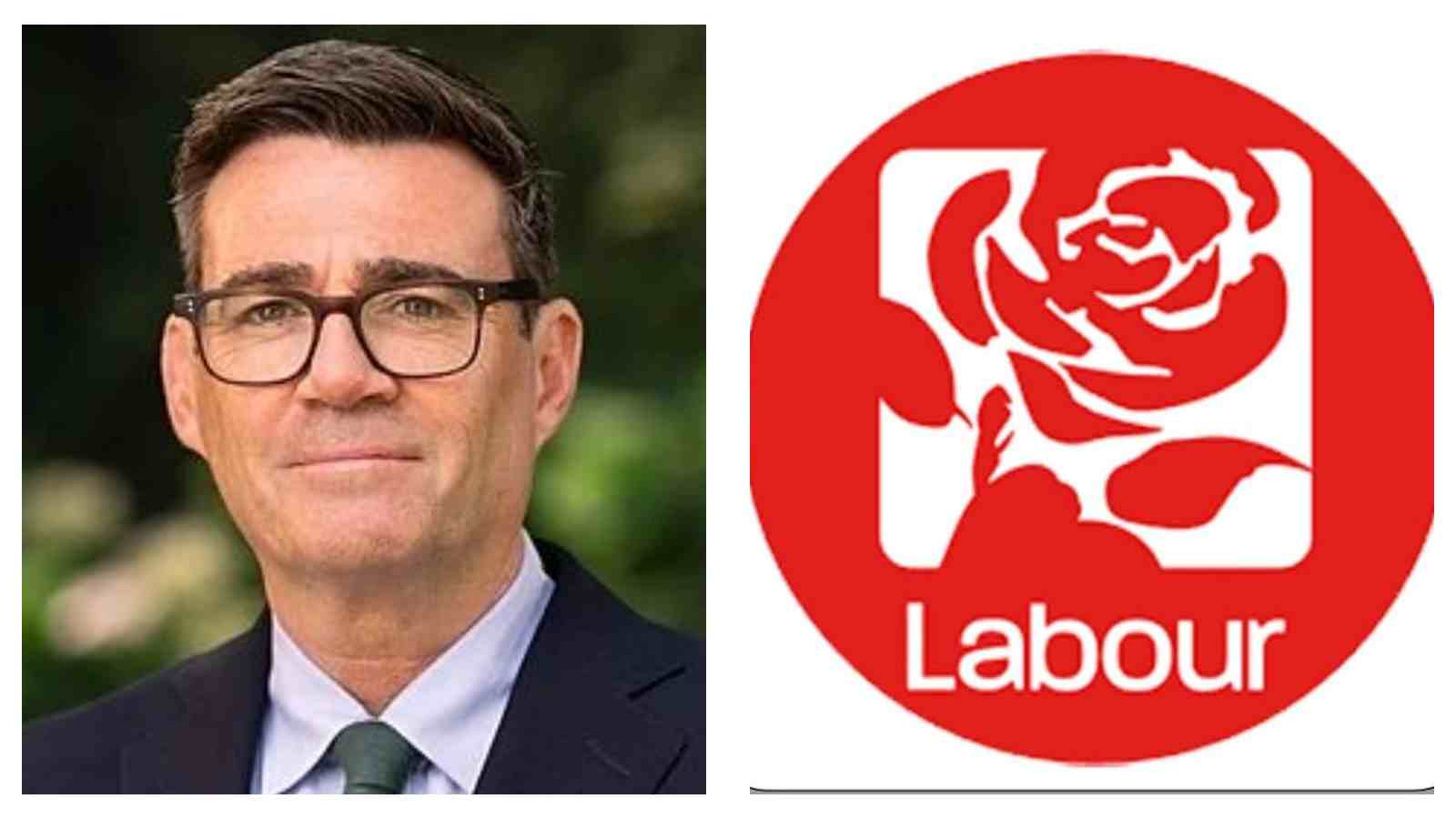
British Prime Minister Andy Burnham announced a swathe of policy changes and plans during his party’s conference in Liverpool on Tuesday, September 29.
Here are three of the biggest takeaways:
Triple lock ‘adjustment’
Burnham confirmed that the triple will remain until the next election, after which it would be ‘adjusted’ from 2030 in order to make fiscal headroom for a National Care Service.
The ‘triple lock’ is a political promise adopted by all major parties that the state pension would rise by the highest of inflation, wage growth, or 2.5%.
The proposed adjustment is to remove the wage growth floor, although there will be a mechanism to ensure it does not fall behind average wages, “so that pensioners will always share in the rising prosperity of the nation,” according to Burnham in his speech.
Saving in the long run
Removing this floor should save the government in the long run, although the exact figures are notoriously difficult to extrapolate and it all depends on the global economy, from £15 billion in 2040 to £50 billion in 2050.
In any case, Burnham hopes the savings made will go towards setting up a National Care Service, which he describes as a “landmark policy, as significant as the creation of the NHS itself”.
The proposed National Care Service will not be quite like the NHS, however. Rather, it will be more akin to the current system in Scotland – only covering actual care costs, with residents staying in accommodation expected to cover room and board themselves.
This style of system could cost £7.5 billion to begin with, less than the immediate savings from adjusting the triple lock. Burnham said he expects the savings on the NHS to help reduce the need for further tax rises to fund this.
Political gamble
Councils may also see their budgets eased, as adult and child social care costs currently eat up over 70% of their outgoings.
This is a political gamble for the new Prime Minister – will pensioners agree to effectively lower pensions in return for free care? The scrapping of universal Winter Fuel Allowance for the elderly is thought to be an early but instrumental factor in previous Prime Minister Keir Starmer’s unpopularity and later downfall.
Polls currently show Burnham may be able to pull it off. A YouGov survey showed that 74% of Britons supported introducing the National Care Service, though scrapping the triple lock was far less popular.
Connecting the two, 48% supported Burnham’s plan to use the savings to fund the service, with 28% opposing it. In any case, it will be at the next election in 2029 before voters have their say.
YOU MAY ALSO LIKE: UK bets on two new major projects to revive its shipbuilding sector
Ideological break from Thatcherism
In addition to a National Care Service, Burnham also emphasised his plans to “take back control” of Britain’s key utilities, the centrepiece of which: “the repeal of Margaret Thatcher’s ideological ban on public ownership of water companies”.
Burnham in his speech described privatised water as a symbol of “what has gone wrong with Britain”, although only promised “greater public control”, rather than renationalisation of the sector. Regional mayors are set to gain the most powers regarding water regulation.
Turning to housing, Burnham also seeks to reform Thatcher’s landmark Right-to-Buy policy, which saw council homes sold off to tenants on favourable terms, although restrictions meant the stock of council homes diminished.
“Over a million people are in that position on housing waiting lists – almost exactly the same number as the homes we lost through Right-to-Buy in the 1980s”, said Burnham.
Right-to-Buy will no longer apply to new council homes, Burnham announced, “so they are there for generations to come”.
Energy bills
This will couple with the “biggest council housebuilding programme since the post-war era”.
On energy, which is at record highs after a double blow from the Ukraine war and the closure of the Strait of Hormuz, Burnham announced Great British Grid, “a publicly-owned company that will challenge the private sector operators”.
GB Grid will be a brand of Great British Energy, the publicly-owned energy investment company set up by the Starmer administration.
It will “complement, rather than replace” private operators in order to increase competition and speed up delivery of upgrades and grid connections, particularly for Britain’s rapidly expanding renewable capacity.
Electoral reform
One of the last things announced by Burnham was “a new national commission on electoral reform,” though any changes from this would not come before the next general election.
Britain’s current election system is First-past-the-post, or Winner-takes-all. The rise of Reform UK, as well as the Greens, has fractured general and local elections across the country and led to increasingly disproportionate and misrepresentative outcomes.
“We will all have failed in our public duties if we carry on as we are and open the door of No 10 to a divisive government on less than 30% of the vote or less,” Burnham said at the conference.
Labour’s landslide victory in 2024, from which Burnham still commands, came from just 34% of the popular vote.
Details on changes to the electoral system, as well as other proposed policy changes, are yet to be laid out.
With many policy changes proposed to come beyond the next election, it remains to be seen whether Labour will still be in power to see them through.
READ NEXT: Why the BBC needs to change for the younger generation
 Kamille Q. Cabreza
  Geoffrey H. Latayan
  Carmela Calling