
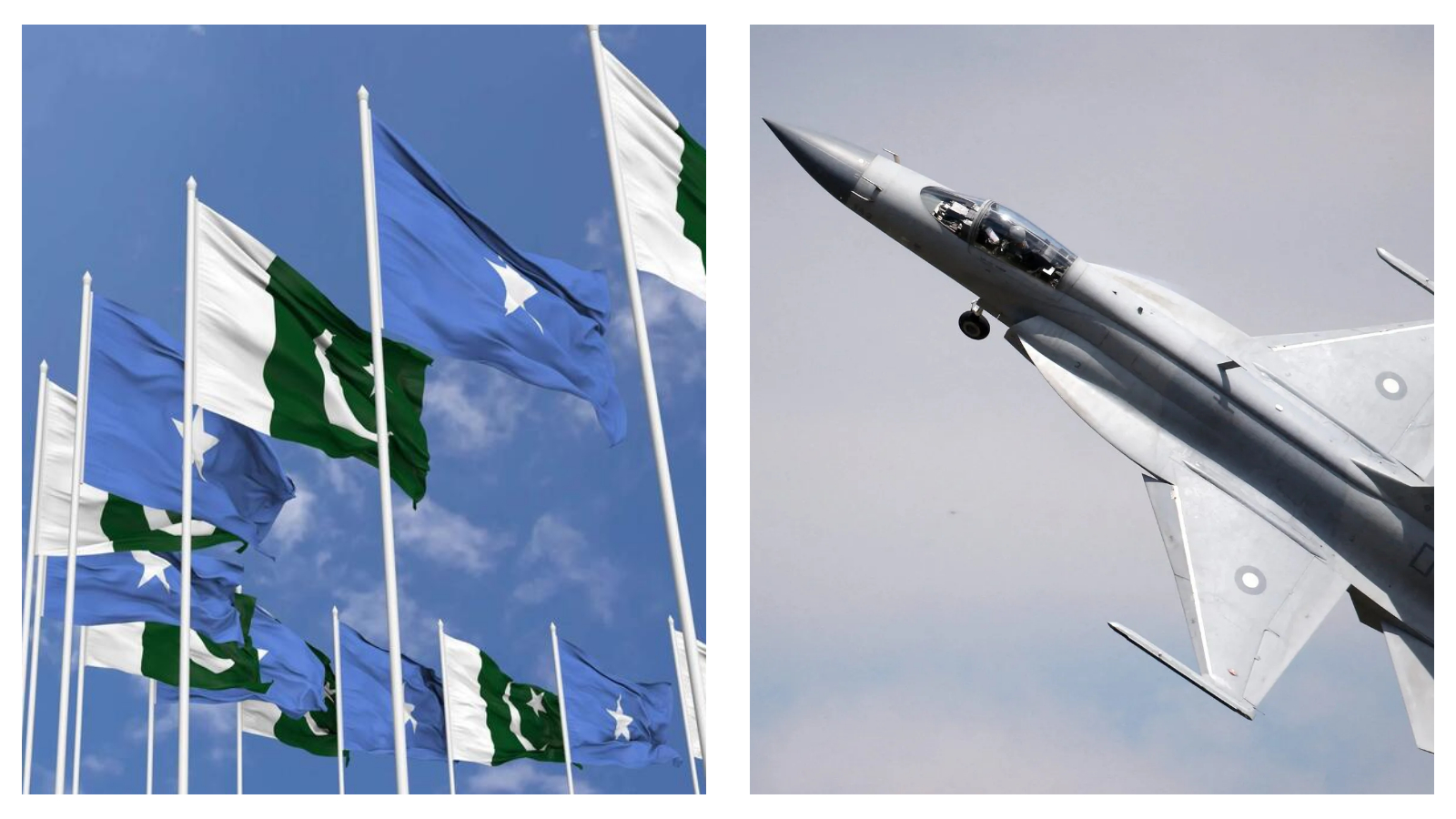
The Somali Air Force is set for a major upgrade as Mogadishu has reportedly signed a deal for the purchase of JF-17 Thunder fighter jets with Pakistan.
While the two governments have not yet publicised details of the deal, the agreement is expected to be Somalia’s largest defence procurement purchase in decades.
Decades-long domestic instability has caused severe degradation of Somalia’s military capabilities that the country now seeks to rebuild in its struggle with the jihadist organisation of al-Shabab.
Shoring up air power
In a report by Turkish news outlet TRHaber, neither of the two sides has revealed the contract cost, number of airframes, or delivery target for the procurement deal.
Earlier reports suggest that the East African nation could spend about $900 million for 24 units of JF-17 Block III variants.
The deal could be one of the items discussed between Somali and Pakistani air force chiefs in a meeting in Mogadishu last September.
A delegation led by Pakistani Air Marshal Muhammad Sarfraz held defence talks with Somali President Hassan Sheikh Mohamud, Prime Minister Hamza Abdi Barre, and Defence Chief Ahmed Moallim Fiqi.
In the meeting, the two air forces have agreed to foster stronger bilateral co-operation in defence and security by signing a memorandum of understanding on counter-terrorism, military training, and capacity building.
MORE FOR YOU: ASEAN, India strengthen strategic security, cultural ties
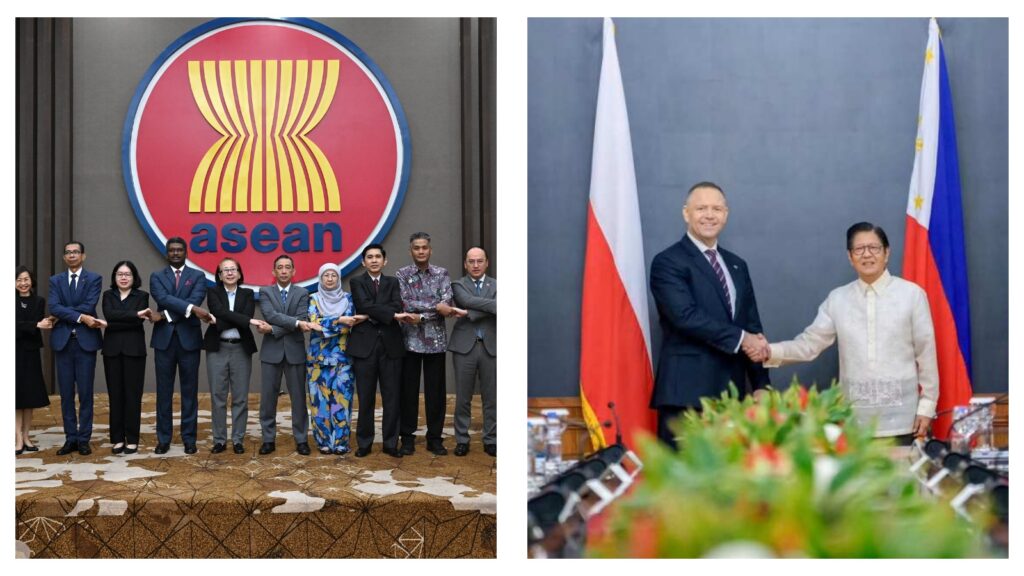
JF-17 Thunder
The JF-17 Thunder offers a lower price point while maintaining competitive specifications and capabilities necessary for modern air forces.
The fourth-generation fighter plane has a maximum speed of Mach 1.6, with an altitude reach of up to 16,000 kilometres. Its operational radius is measured at 3,482 km.
Weighing 7,900 kilogrammes, the Thunder can be armed with a 23mm cannon, air-to-air and air-to-surface missiles, as well as unguided bombs and precision-strike munitions.
The China state-run Chengdu Aircraft Corporation developed the JF-17 Thunder in collaboration with Pakistan Aeronautical Complex to provide Islamabad with a capable but low-cost fighter aircraft in the 1990s.
Acquiring the JF-17 Thunder gives the Somali Air Force an unprecedented edge in air defence and ground-strike capability against insurgents in the country.
Securing long-term technical support such as training and spare parts supply from Pakistan would ensure that Somalia’s national ground forces will have long-term organic air support in conflict scenarios.
Expanding ties in the Horn of Africa
For Islamabad, the deal not only highlights its growing defence export industry, but also its pivot towards building ties with nations in the Horn of Africa.
Pakistan’s mutual defence deal with Saudi Arabia and Turkey shows its intention to use its military arsenal as an instrument of foreign policy.
Establishing a defence foothold in Somalia allows Pakistan an opportunity to market its low-cost fighter jets to other African countries seeking to modernise their militaries.
READ NEXT: China-North Korea border bridge to open, trade boost anticipated
 Ciara Mina
 Rosemarie Zamora
 Jacinth Banite