
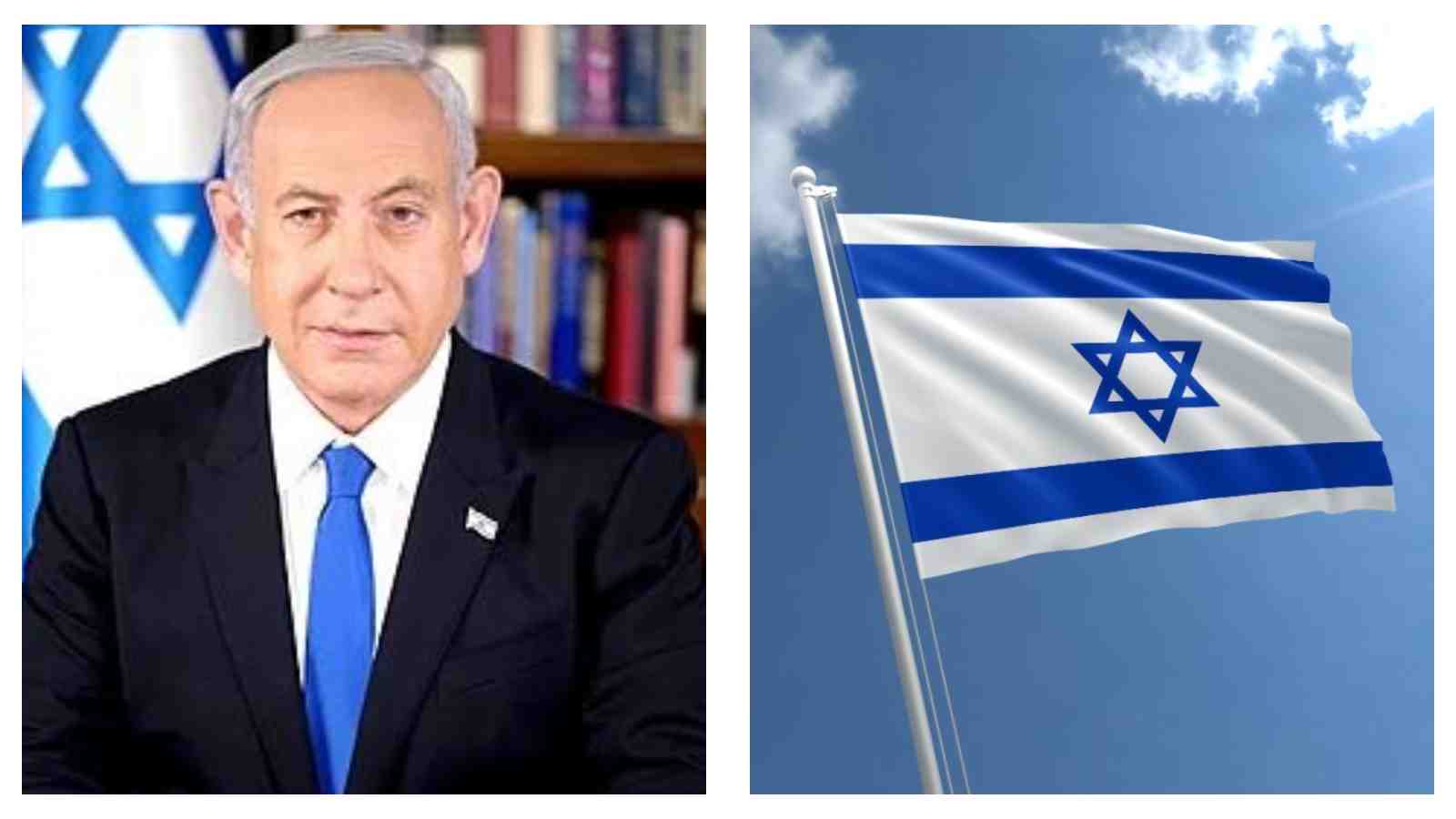
The 2026 Israeli parliamentary elections have brought the country’s government to a standstill, as no coalition has clinched a majority in the 120-seat Knesset (Israel’s unicameral state legislature).
Israel’s largest opposition party, Yashar, has the momentum as it eyes forming a rare alliance with local Arab parties to form the country’s next government and oust Benjamin Netanyahu from the Prime Minister’s office.
Arab-led parties overperformed in the elections, with Joint List securing 11 seats and Islamist Ra’am party taking eight, making them crucial players that can break the political deadlock.
Political uncertainty ahead
Before the results were counted, exit polls hinted at a repudiation by Israeli voters of the current regime, with more Israelis demanding change in the government.
While Netanyahu’s Likud emerged as the largest party with 27 seats, Yashar was not far behind with 21 seats.
Overall, the pro-Netanyahu bloc won 53 seats to the opposition’s 48. This meant that neither side was able to claim a 61-seat majority to form the next government.
Yashar party leader Gadi Eisenkot, 66, has had a word war with Netanyahu during the campaign, with both sides accusing each other of fumbling state responsibilities.
Eisenkot, a former army chief, could enlist the help of Joint List and Ra’am to form a comfortable 67-seat majority.
On Saturday, anti-Netanyahu demonstrators urged Eisenkot to form a coalition with Arab parties to dislodge Netanyahu from power.
While this presents a credible path for the opposition, forging a coalition with Arab parties despite their electoral success has its obvious political hurdles.
Several right-wing politicians in Eisenkot’s bloc have also voiced opposition to allying with Arabs, which could derail this option’s potential even before the talks begin.
Netanyahu’s slim path
With an alliance with Arab-led parties already off the table, Netanyahu could still ensure his coalition government’s survival by reconverting opposition parties to his side.
Among the names being floated are Naftali Bennett of the Beyachad party and Avigdor Lieberman of Yisrael Beiteinu.
Beyachad won 11 seats, while Yisrael Beiteinu has seven, making these two parties potential game-changers if they switch sides in favour of Netanyahu.
Though both sides have historically echoed Netanyahu on several issues, especially on national security, their campaigns centred on opposing the current regime, making an alliance unrealistic.
Despite this, the political deadlock could still give Netanyahu weeks, if not months, to negotiate with rival parties as the sitting prime minister, putting him in an advantageous position, while his opponents struggle to unite the country against him.
READ NEXT: Thousands march in Serbia on anniversary of train station tragedy after Vucic defeat
 Carmela Calling
 KC Maderia