
Nepali authorities are on alert as the Nipah virus threatens the Himalayan country following an outbreak in neighbouring India’s West Bengal state.
The Epidemiology and Disease Control Division has ordered hospitals, healthcare workers and other relevant authorities nationwide to heighten vigilance and monitoring of patients and travellers.
Dr. Armit Pokhrel, an official at the division, instructed all hospitals nationwide to immediately report sudden patient deaths and cases showing Nipah virus-like symptoms, the Kathmandu Post reported.
He also said that health workers stationed at the Tribhuvan International Airport health desk have been instructed to remain alert to passengers arriving from Kolkata, India.
Ministry of Health and Population spokesperson Dr. Prakash Budhathoki added that medical teams have been deployed at land borders to conduct health screenings.
Nepal at high risk from Nipah virus
The move comes after health officials and experts warned that Nepal is at considerable risk of a possible Nipah virus outbreak, despite no confirmed cases so far.
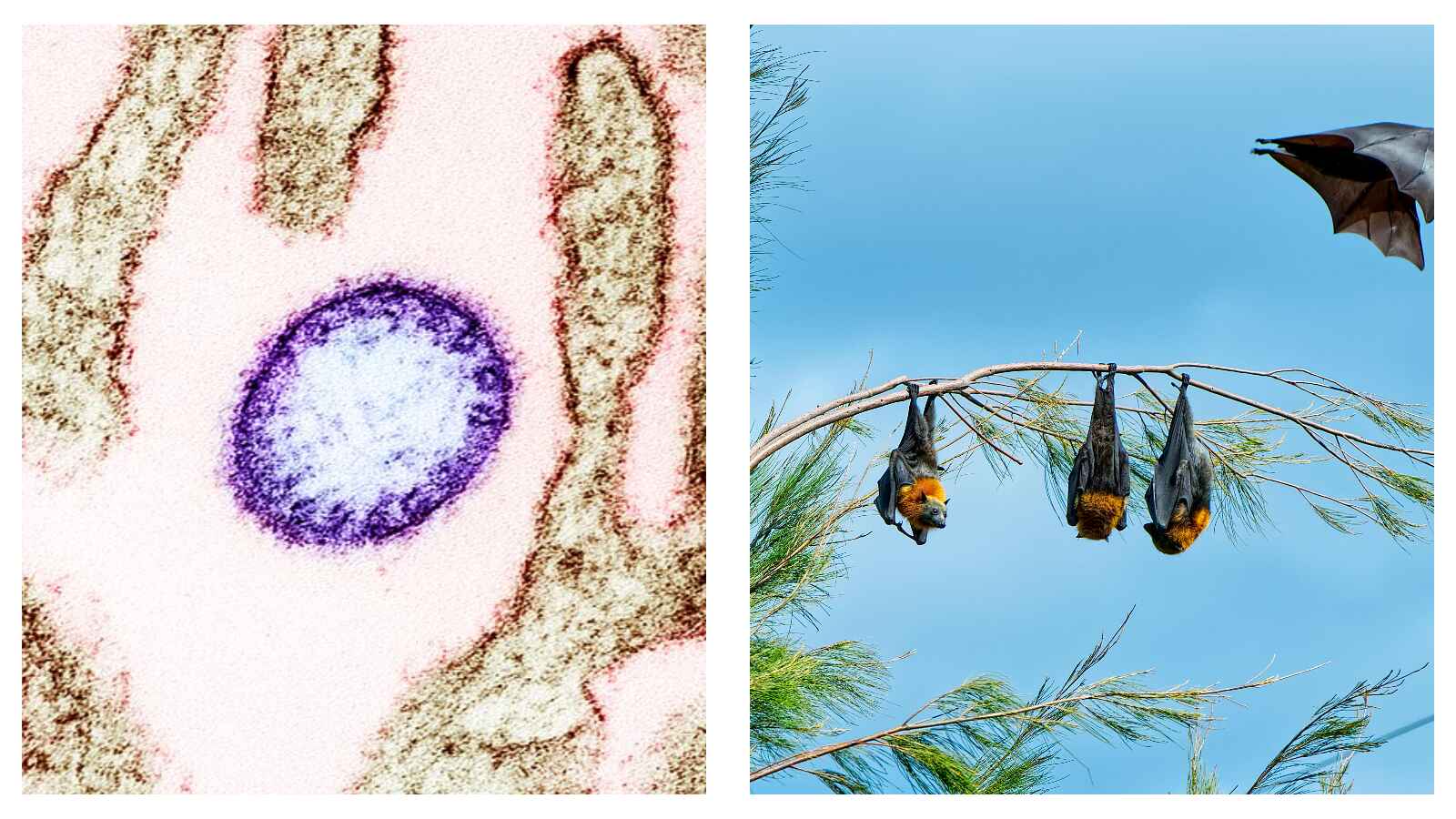
Dr Sher Bahadur Pun, coordinator of the Clinical Research Unit at Shukraraj Tropical and Infectious Disease Hospital, said Nepal faces elevated risk as the virus’s primary hosts — fruit bats — are present in the country.
“Even if the primary hosts of the virus are fruit bats and pigs, which are also available in our country, this virus is transmitted from human to human through secretions and excretions,” he said.
Pun also cited Nepal’s open border and frequent cross-border movement with West Bengal, which shares a land border with Koshi Province.
YOU MAY ALSO LIKE: First human to be infected with rare bird flu strain dies, but experts downplay risks
Other Asian countries step up health measures
Aside from Nepal, other Asian countries also stepped up their health protocols to safeguard the public and avoid any potential Nipah outbreak.
In Thailand, health authorities started conducting screening at three international airports in Bangkok and Phuket that have flights from West Bengal and require passengers to make health declarations, the BBC reported.
The country’s parks and wildlife department has also imposed stricter screenings at natural tourist attractions nationwide.
Meanwhile, Taiwan has recommended classifying the Nipah virus as a “Category 5 disease,” covering emerging or rare infections that pose major public health risks and require immediate control measures.
West Bengal confirms two cases of Nipah virus
Earlier, India’s health ministry confirmed that two Nipah virus cases had been recorded in West Bengal since December, with both patients reportedly healthcare workers.
The ministry also said that some 196 individuals who were in contact with them have been traced and tested negative for the virus, with no additional cases identified so far.
“The situation is under constant monitoring, and all necessary public health measures are in place,” the ministry said.
The confirmation followed earlier reports that West Bengal had recorded five cases in recent days, with about 100 people placed under home quarantine, according to several Indian media outlets.
The state previously experienced its deadliest Nipah outbreak in 2001, when 66 people were infected and 45 died, followed by a smaller outbreak in 2007 in which all five infected individuals died.
Deadlier than COVID-19
Health experts said the Nipah virus is significantly deadlier than COVID-19 and other respiratory illnesses, even though many symptoms are similar, as patients’ conditions can deteriorate rapidly.
They noted that the virus has a mortality rate ranging from 40 to 75 per cent, with no approved vaccine or specific treatment currently available.
According to the World Health Organisation, Nipah virus is a zoonotic virus transmitted from animals to humans and can also spread through contaminated food or direct human-to-human contact.
Symptoms usually appear within three to 14 days and include fever, headache, cough, sore throat, difficulty breathing, and, in severe cases, encephalitis.
The virus was first detected in 1999 when farmers in Malaysia and Singapore who had close contact with infected pigs developed severe respiratory illness and brain inflammation.
READ NEXT: Nepali female grassroots workers named WHO champions
 Carmela Calling
  James Mario Ajero