
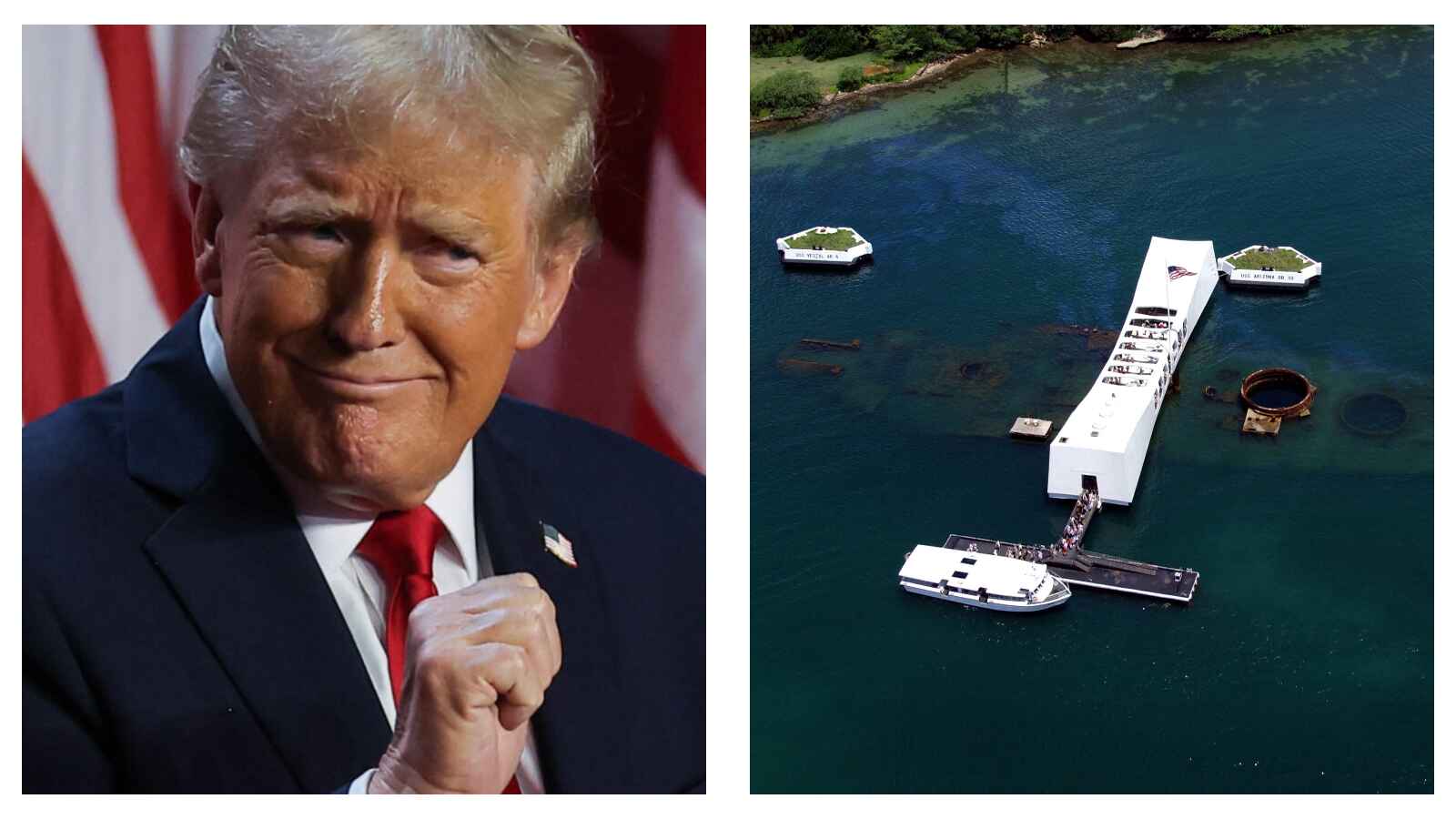
A monumental meeting between United States President Donald Trump and Japanese Prime Minister Sanae Takaichi unfolded at the White House on Thursday, where they spearheaded a signing ceremony that would pave the way to a multi-billion-dollar energy agreement between the allies.
But the meeting hit a snag after Trump used Pearl Harbor as a joke in responding to a question regarding the operations of the US in Iran.
Japan places huge bet on US energy sector
Takaichi expressed enthusiasm in revealing Japan’s huge interest in collaborating with American energy firms in establishing power plants in the US to help American communities achieve stable and reliable sources of energy.
The recently signed energy agreement includes the construction of natural gas power generation plants in Pennsylvania and Texas and small modular reactors in Tennessee and Alabama, with the latter under the cooperation between US-based GE Vernova Ltd. and Japanese energy firm, Hitachi Ltd.
The nuclear reactor deal was worth USD40 billion, considered among the vital parts of Japan’s USD550 billion investment in the US economy.
Trump’s Pearl Harbor reference
It was evident that Trump enjoyed the company of Takaichi, whom he had endorsed before the consequential Japanese general election in February.
So much so, that the Republican leader referenced Pearl Harbor as a response to a question from a journalist about whether Washington had warned its allies in Europe and Asia of its plans to hit Iran.
“We didn’t tell anybody about it because we wanted (a) surprise. Who knows better about surprise than Japan?” Trump said, adding “Why didn’t you tell me about Pearl Harbor, OK?”
Takaichi attempted to steer the topic to discussing the current and future trade and economic ties of the US and Japan, especially given the fast-changing international market driven by the spike in oil and crude prices.
YOU MAY ALSO LIKE: Countries implement energy-saving measures amid soaring global energy prices
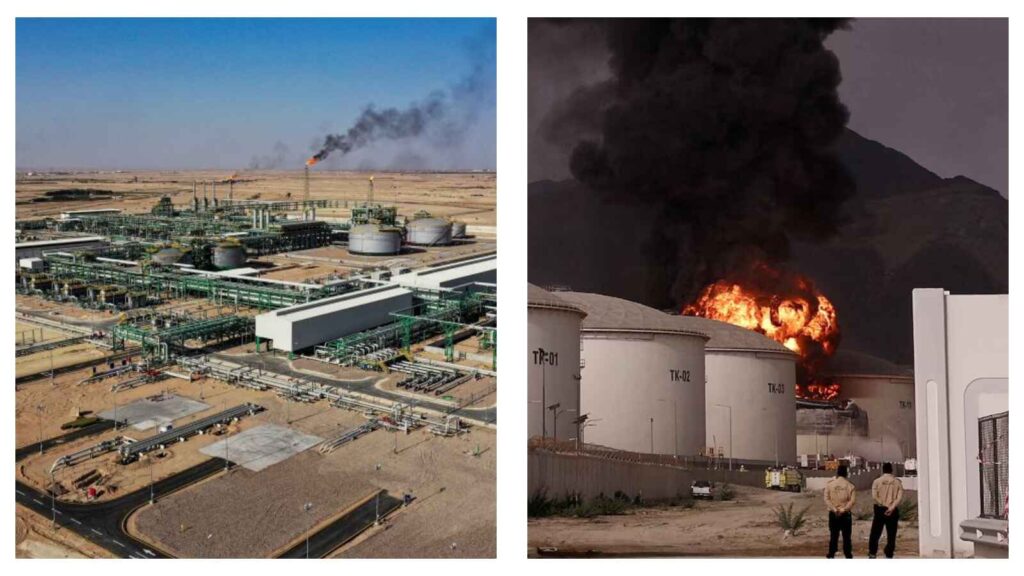
The situation in the Strait of Hormuz
While Trump previously expressed irritation towards the lack of enthusiasm from NATO and European allies in helping out in the Strait of Hormuz, the US president took a diplomatic approach in discussing the situation in the vital corridor with Takaichi, hinting to the press that they would discuss Japan’s possible support.
He pointed out that the oil supply of Japan largely comes from the Middle East, which could push Tokyo to deploy its forces to secure the said strait.
However, Takaichi remained firm and told Trump that there are limits on Japan’s military involvement in foreign territories and that it could only use its military capabilities to defend its sovereignty as per the Japanese constitution.
Moreover, the Japanese prime minister then assured that Japan and the US will work together to pursue peace and stability in the Middle East, as the chaos in the region has severely hit the global economy.
READ NEXT: ASEAN moves to share fuel as the Middle East crisis disrupts supply
 Carmela Calling
  James Mario Ajero