
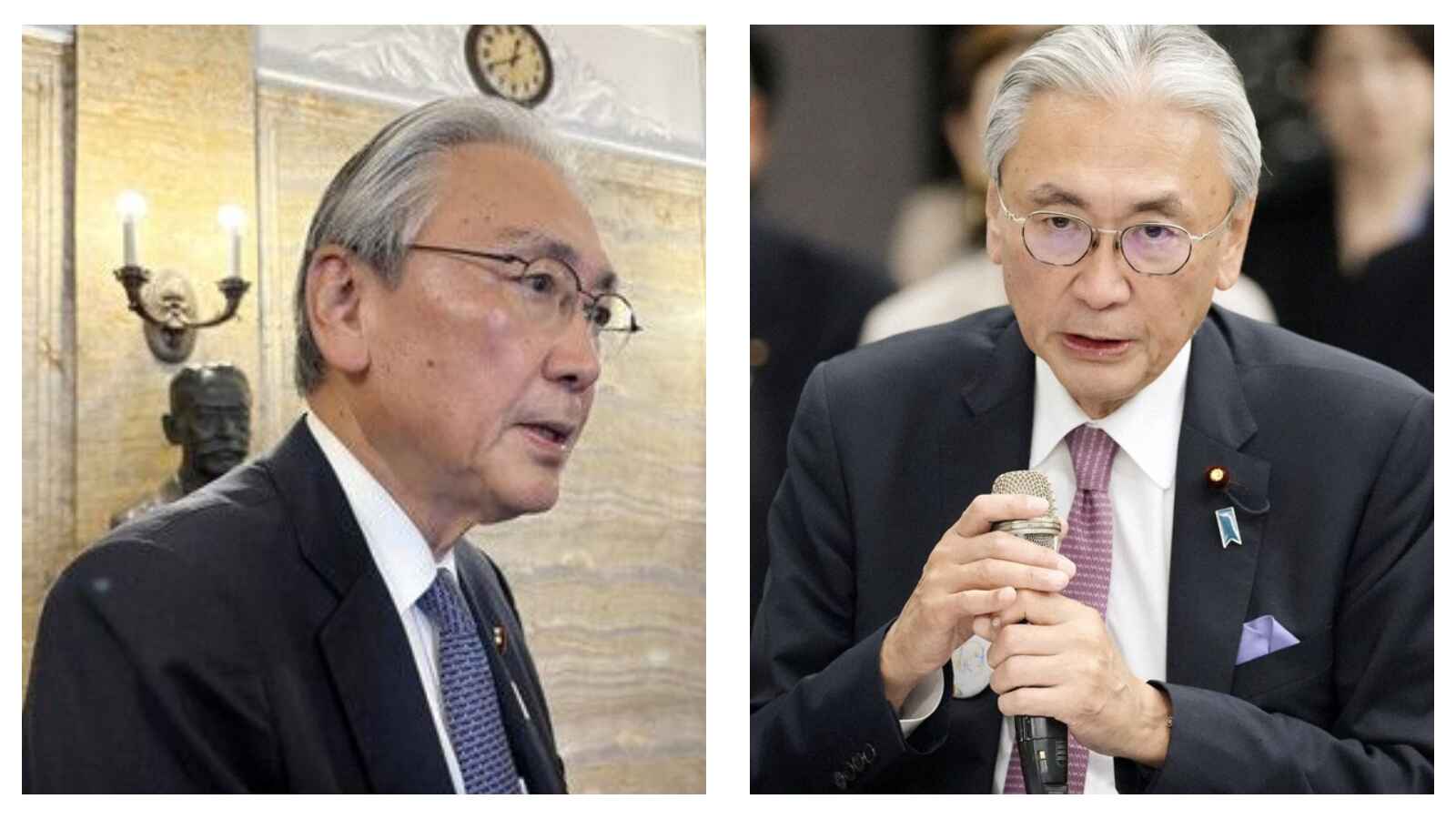
The Chinese government has imposed sanctions on a Japanese lawmaker over his visits to Taiwan, escalating diplomatic tensions between the two countries.
The move targets Keiji Furuya, a member of Japan’s House of Representatives, who is now banned from entering mainland China, Hong Kong and Macau, according to a Chinese foreign ministry statement.
Spokesperson Mao Ning announced the decision on Monday, accusing him of “undermining China’s sovereignty and territorial integrity” after his recent visit to Taipei on March 16.
China has repeatedly claimed the self-ruled island of Taiwan as part of its territory, and has not dismissed the possibility of taking the island by force.
China accuses Furuya of Taiwan provocations
China accused the lawmaker, an ally of Japanese Prime Minister Sanae Takaichi, of colluding with “Taiwan independence separatist forces”, alleging his visit was a way to “stir up trouble” in the region, Xinhua News Agency reported.
Beijing opposes official visits by foreign politicians to the region, viewing such moves as interference that bypasses the “One China” principle, its longstanding position that Taiwan is part of its sovereign territory.
According to the ministry, Furuya had made “multiple runs to Taiwan in defiance of China’s strong opposition… seriously undermining China’s sovereignty and territorial integrity.”
The announcement followed Furuya’s meeting with Taiwan President Lai Ching-te in Taipei earlier this month, where the lawmaker defended Takaichi’s remarks as consistent with Japan’s longstanding position and “not problematic.”
Takaichi had drawn backlash from Beijing last November after saying Japan would respond with military force if China were to attack Taiwan.
“The Taiwan question is at the core of China’s core interests, which is a red line that must not be crossed,” Mao noted, adding that the sanction serves as “a warning to others”.
The countermeasures from China also meant that people and groups in the country are now prohibited from engaging with Furuya.
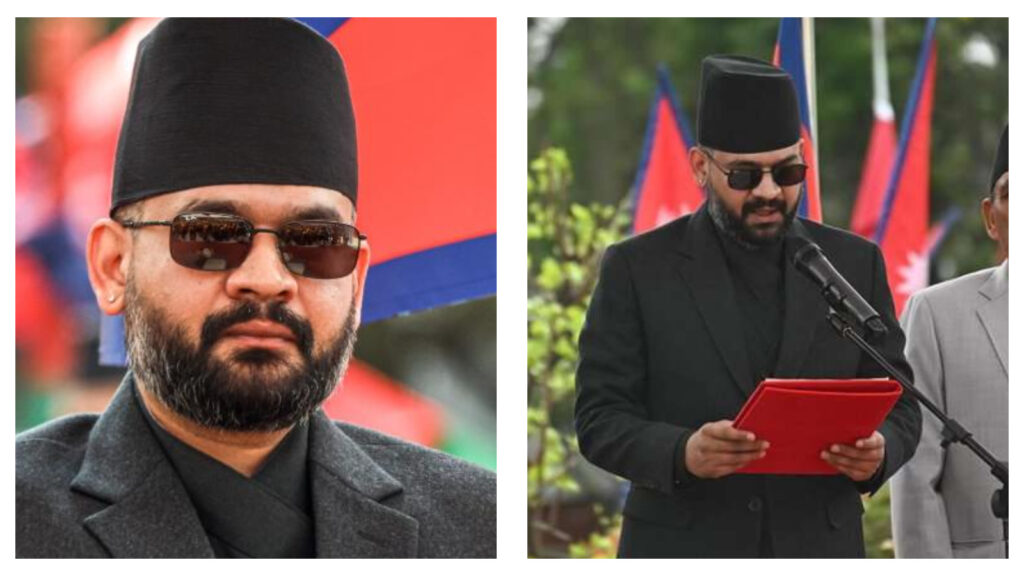
YOU MAY ALSO LIKE: Balendra Shah sworn in as Nepal’s youngest premier in historic post-uprising polls
Tokyo criticises Beijing’s countermeasure
Meanwhile, the 73-year-old lawmaker dismissed the ruling, stating that he had not been to China in decades and had no properties there.
“The fact that they are imposing sanctions on something like this really makes me think: ‘That’s typical of China’,” he said in a report by Agence France-Presse.
“Our parliamentary group is simply doing what comes naturally, to foster exchanges between countries that share common values,” Furuya stated.
Japan’s deputy chief cabinet secretary Masanao Ozaki, on the other hand, called out China’s actions as a “pretext to intimidate those with differing views”, which “is absolutely unacceptable”.
Nevertheless, he stated that Japan has urged China to remove the sanctions.
“This is highly regrettable from the perspective of Japan-China relations,” Ozaki said.
Since Takaichi’s previous comments on Taiwan, Beijing has put economic pressure on Tokyo and deterred Chinese citizens from travelling to the neighbouring country.
China protests US senators’ Taiwan visit
Also on Monday, Beijing lodged a complaint with Washington over the recent visit to Taiwan by four US senators.
Mao said the move underscores China’s firm opposition to official interactions between the US and the Taiwan region.
She urged Washington to take concrete actions to safeguard the overall interests of China-US relations and to maintain peace and stability across the Taiwan Strait.
During their visit to Taipei, the US senators highlighted Taiwan’s defence concerns.
Republican Senator John Curtis underscored the importance of approving a special defence spending bill amid rising pressure from China, while Democratic Senator Jeanne Shaheen stated that their backing for Taiwan “remains strong and enduring”.
READ NEXT: Tensions in the Middle East: ASEAN nations roll out emergency measures
 Carmela Calling
  James Mario Ajero