
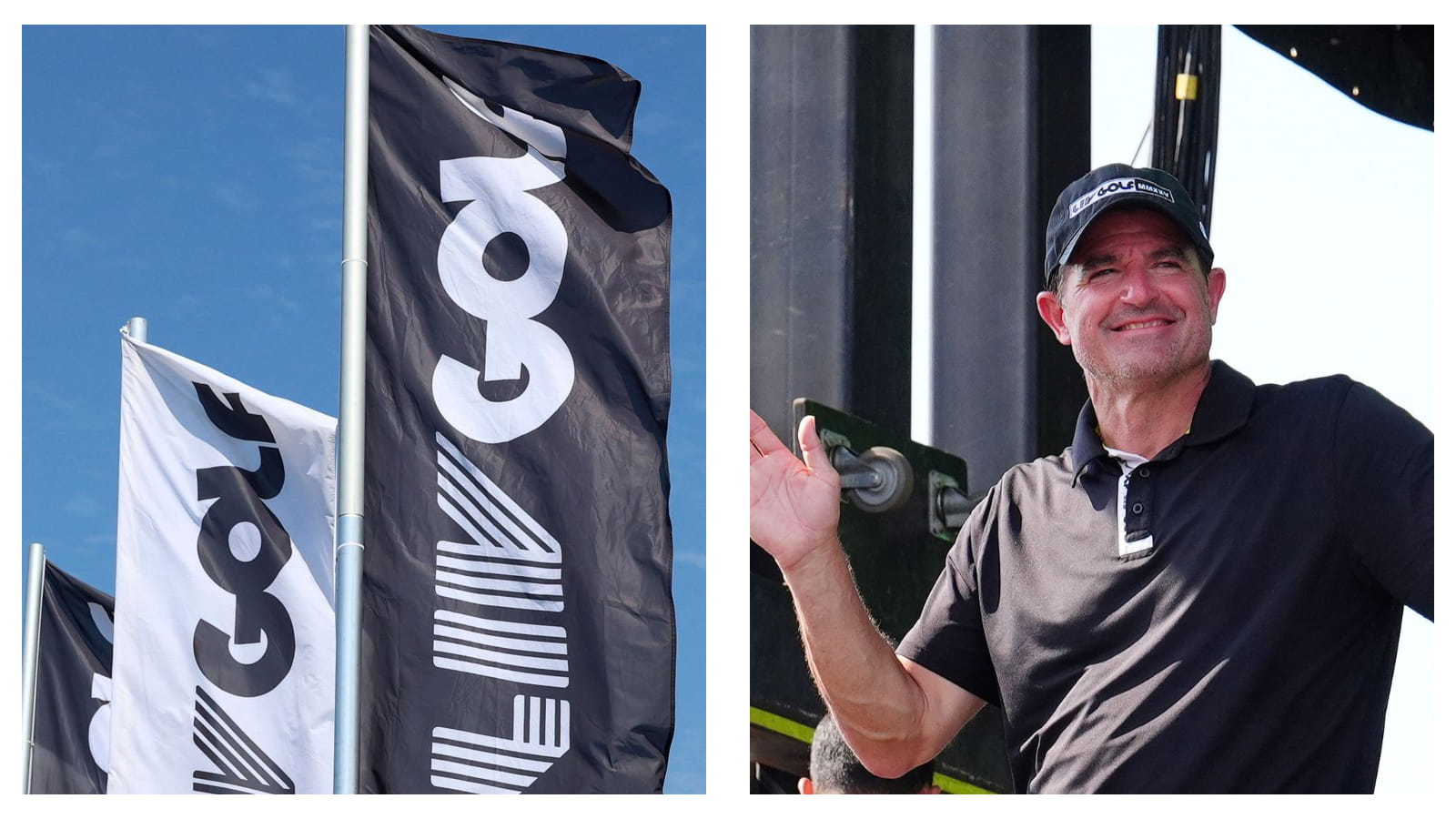
The world of professional golf is once again gripped by uncertainty, as persistent rumours suggest that LIV Golf, the controversial breakaway series, is facing a potential withdrawal of its primary financial backing from Saudi Arabia.
Speculation has intensified in recent days, with multiple media outlets citing anonymous sources claiming that the deep-pocketed investors behind the league are reconsidering their commitment to the project.
The series, which made its debut in 2022 with the promise of revolutionising the sport, has reportedly cost in excess of $10 billion to date.
Sudden shift in fortunes
According to reports, concerns have grown that the Saudi Public Investment Fund (PIF) may be pulling back its support.
This comes amid a broader strategic review announced by the Kingdom, which recently unveiled a new five-year economic plan.
The timing coincides with heightened geopolitical tensions in the Middle East and ongoing economic pressures, including fluctuations in global oil prices that have impacted state revenues.
While the exact nature of the discussions remains unclear, British newspaper The Telegraph indicated that senior executives were summoned to meetings in New York to assess the potential fallout should funding cease.
Leadership stands firm
Despite the growing unease, LIV Golf’s leadership has moved quickly to reassure its players and staff.
In an internal memo obtained by AFP, chief executive officer Scott O’Neil stated unequivocally that operations would continue without interruption.
“I want to be crystal clear: Our season continues exactly as planned, uninterrupted and at full throttle,” O’Neil wrote.
The organisation has attempted to project an image of business as usual.
Ahead of its upcoming event in Mexico City, the tour proceeded to publish tee times and actively engaged with fans on social media, even playfully addressing the speculation with a post hinting at “breaking news” regarding the tournament schedule.
Sources familiar with the matter also pointed to positive operational indicators, noting that revenue streams have doubled since 2024, and attendance figures have reached record highs in recent stops across Australia and South Africa.
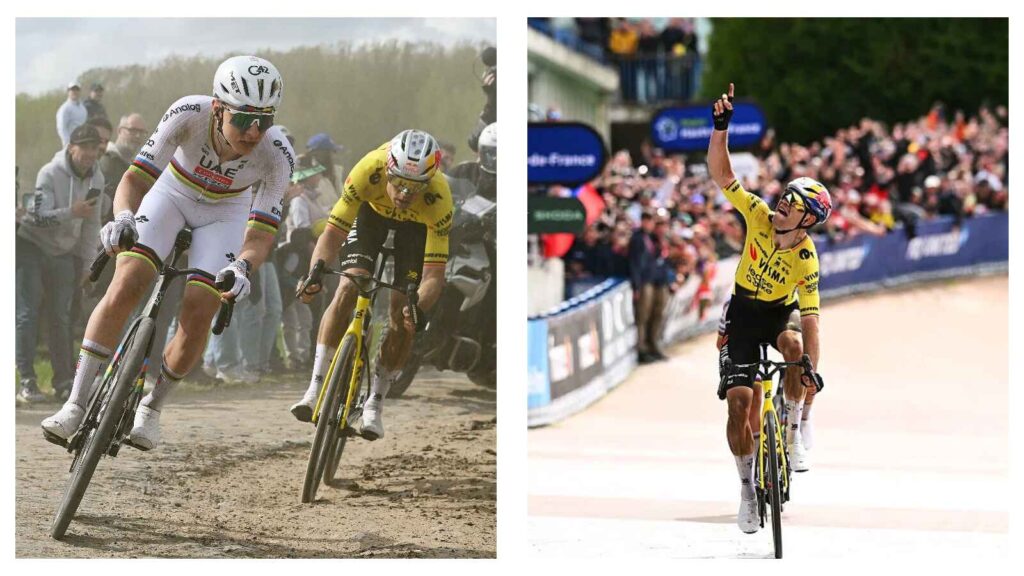
READ MORE: Redeemed Wout van Aert sprints to first Paris-Roubaix glory
Players caught in the middle
For the athletes who signed up for the league, often lured by lucrative contracts that promised financial security, the situation has created a difficult environment.
Although some high-profile names, including major champions Brooks Koepka and Patrick Reed, have already made the move back to the traditional Professional Golfers’ Association Tour, others remain in limbo.
Sergio Garcia, a long-standing figure in the LIV ranks and team captain, expressed confidence in the project’s longevity during a press gathering in Mexico.
He stated that players had received no indication of trouble and re-affirmed his belief in the backing they have.
In his letter, O’Neil acknowledged the challenges inherent in any new venture.
“We signed up for this because we believe in disrupting the status quo. We are pioneers, and while the road isn’t always smooth, the destination is worth every mile,” he was quoted as saying.
A legacy of division
Since its inception, LIV Golf has been a source of deep division within the sport.
Its launch saw many of the game’s biggest stars defect from established circuits, drawn by the promise of massive payouts and a different competitive format.
This created a schism that has reshaped professional golf, leading to legal battles, fractured relationships, and a complex restructuring of the global game.
Now at a tipping point, the series must determine if it is overcoming a temporary hurdle or succumbing to the terminal decline of a vision that redefined the game.
As the tournament in Mexico City prepares to tee off, all eyes will be on the action on the course, but equally on the developments behind the scenes, as the future of LIV Golf hangs in the balance.
READ NEXT: Former Team GB volleyball player Chris Gregory on what competing on the world stage taught him about pressure
 Geoffrey H. Latayan
  John Christopher Aquino
  Ren Azrack Escosio