
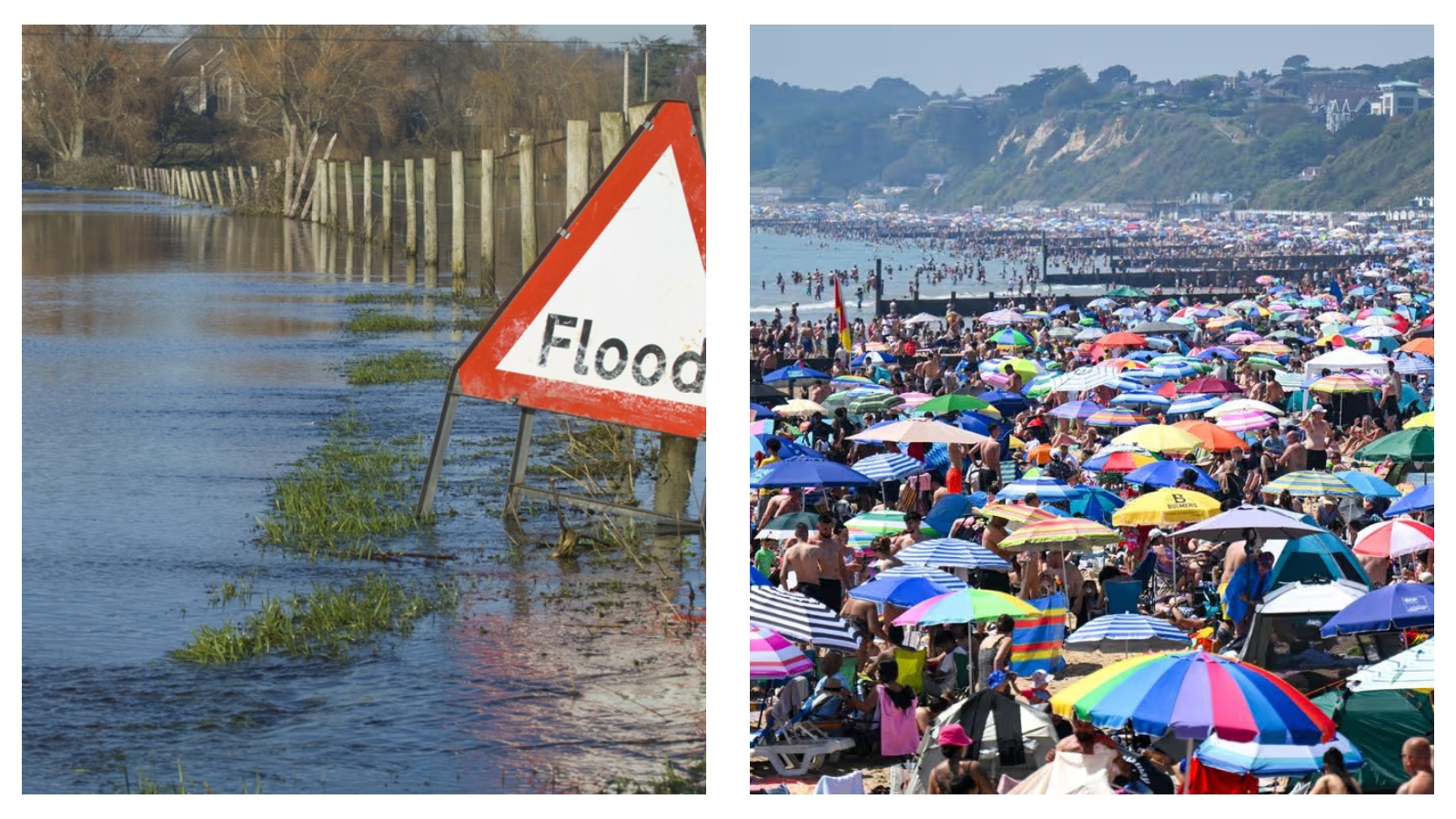
From scorching hot summers to autumn flood risks, the UK is currently facing plenty of environmental changes and challenges.
Summer 2026 was the hottest on record, according to the Met Office.
Five widespread heatwaves were recorded across the summer, with 40 days recording a temperature above 30C.
As a result, thousands of heat-related deaths were recorded during the summer months. Additionally, this constant heat led to droughts and wildfires sweeping the UK.
What issues did the summer droughts and wildfires cause?
Wildfires led to people having to evacuate from their homes, causing disruption to people’s lives and businesses.
The wildfires also caused habitat loss for wildlife and raised concerns about biodiversity due to changes to the soil as a result of the fires.
For farmers, the droughts impacted their crops and livestock, resulting in a poorer yield for some crops such as cereals.
Even as the weather has changed as autumn begins, there is still an ongoing drought in Yorkshire, due to a lack of rain over the spring and summer.
What caused the heatwaves this summer?
The heatwaves this summer were caused by climate change, with summers like the summer of this year becoming increasingly more likely.
Five of the UK’s warmest summers have occurred after 2003, and a summer with a similar temperature to this year’s summer can be expected about every nine years, according to the Met Office.
READ MORE: Nations face costly fight as El Niño threatens livelihood

Were there any benefits to the hot summer?
Whilst many farmers have struggled with the hot weather, the growth of some crops unusual to the UK has proved a success.
As the weather changes due to climate change, the hot summer allowed the successful growth of melons and aubergines.
These crops were grown in Oxfordshire as part of a scheme to build food resilience in response to climate change.
What other environmental impacts will climate change have on the UK?
Alongside hotter summers and more extreme weather generally, coastal erosion is expected to accelerate due to the effects of climate change.
Accelerating factors include issues such as rising sea levels.
By 2055, the Environment Agency estimates 3,500 properties will be at risk of coastal erosion.
What environmental challenges can the UK expect in autumn?
After a hot summer, the UK is preparing for a wet and stormy autumn, in part due to El Niño.
Reports have also suggested the UK risks seeing an increase in flooding and rain due to climate change.
What is El Niño?
El Niño is a natural weather phenomenon that occurs every two to seven years, and can cause an increased likelihood of extreme weather.
What environmental challenges might the UK face this winter?
There is a potential for extensive flooding this winter due to El Niño.
The Environment Agency has encouraged households to make emergency plans and check the flood risk in their area.
Natural Resources Wales (NRW) argues that Wales is especially vulnerable to flooding due to its geography.
One in seven homes in Wales is currently at risk of flooding.
The country has dealt with several floods, often following storms, in recent years.
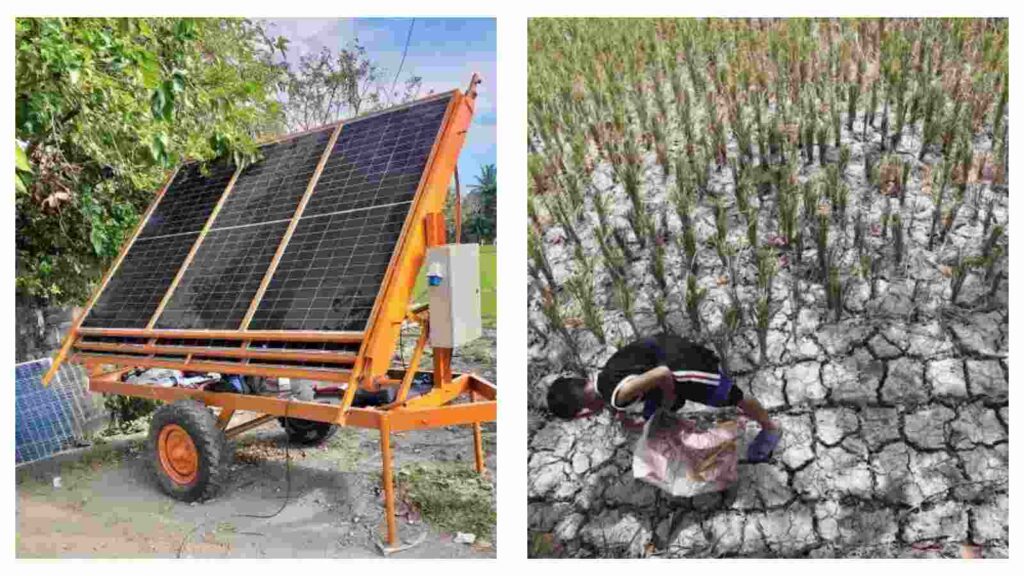
YOU MAY ALSO LIKE: Philippine rice researchers turn to solar technology as El Niño threatens farms
What government action is being taken against flood risk in the UK?
In order to protect infrastructure and homes from flooding, the government has pledged £10.5bn until 2036 to tackle the issue.
A taskforce has also been set up to respond to future extreme weather events, such as flooding, following the record-breaking summer.
What other issues may El Niño bring this year?
There is some possibility of El Niño disrupting the polar vortex, which would bring cold and snow to regions across the UK. However evidence for this is contradictory.
The future for environmental challenges in the UK
As climate change becomes an ever pressing issue, the UK is likely to continue to face new and worsening environmental challenges.
With Andy Burnham confirming he is committed to tackling the climate crisis, efforts will need to be made to adapt and mitigate the environmental issues facing the UK.
By Annika Winzer
READ NEXT: Vietnam’s largest coffee festival set for March 2027
 Lucia Caporalini
 Geoffrey H. Latayan
 Elan Castanares