
By Wendellyn Mateo
It’s a race against time for health experts looking to curb disease outbreaks, especially as the world faces varying degrees of geopolitical tensions and an emergence of diseases across the globe.
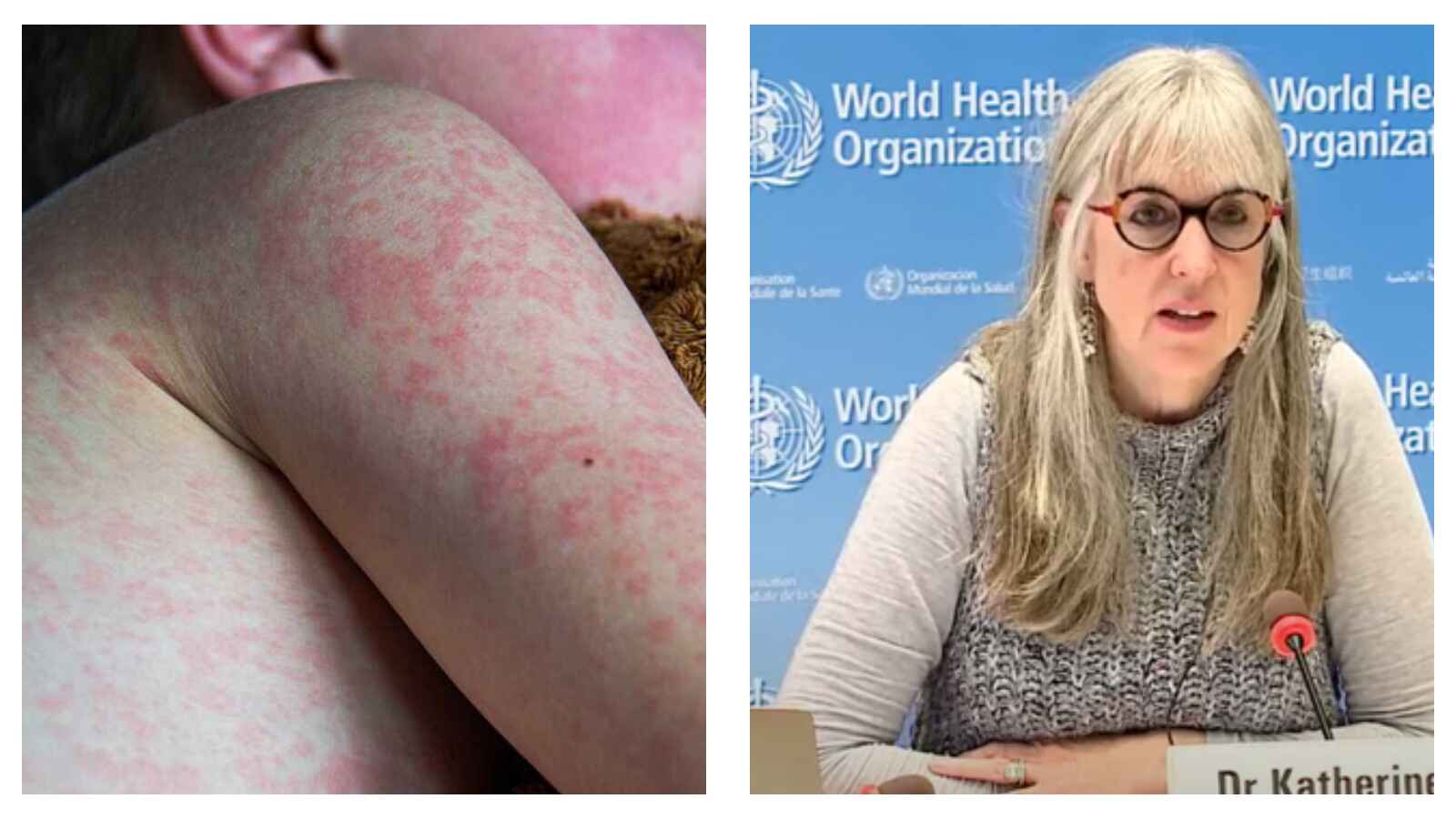
The United States just this month reported its first death from measles in a decade.
Additionally, in the Gaza Strip, authorities are working to ensure a mass polio campaign for children remains a success, even amid an ongoing war.
Texas, New Mexico count measles cases
Texas is currently nursing a total of 223 measles cases since the latest count last week, while New Mexico has a total of 33 following an outbreak that began in West Texas in late January, according to a report from Reuters.
An unvaccinated child who had no underlying health conditions died in Texas last month, making the case the first US measles death in a decade.
This was soon followed by that of an unvaccinated adult in New Mexico, which became the state’s first measles-related death.
The US Centres for Disease Control and Prevention has told physicians that the risk of a widespread measles in the US is low, thanks mostly to robust immunisation, surveillance programme and outbreak response capacity.
But this also comes as Robert F Kennedy Jr, a vaccine skeptic, takes the reins as US health secretary.
Gaza children face poliovirus outbreak
In the Gaza Strip nearly 603,000 children under 10 years old have been vaccinated as part of the latest mass immunisation campaign to curb an ongoing poliovirus outbreak, the World Health Organisation (WHO) said in a joint news release.
A ceasefire has paved the way for health workers to reach more children, especially those who had missed vaccinations because of displacement during the campaign’s initial phased approach last year.
Intensified surveillance since July 2024 detected the circulation of the virus, which prompted authorities to conduct additional vaccination for children.
WHO takes the lead
WHO Director for the Department of Immunisation, Vaccines and Biologicals, Kate O’Brien in a statement underscored the importance of the health agency’s Expanded Programme on Immunisation (EPI) and laid out priorities for 2025.
The EPI, she said, has saved an estimated 154 million lives and added more than 10 billion years of health life – part of its foundation to safeguard children and adolescents from deadly but preventable diseases like polio, measles, diphtheria, pertussis, human papillomavirus and tetanus.
YOU MAY ALSO LIKE: Environment news: Pacific region takes on fight against climate change
Just last year, four nations introduced HPV vaccines and 25 countries adopted the single-dose schedule.
Niger and Nigeria implemented for the first time a new and affordable meningococcal pentavalent conjugate jab, while 17 nations in Africa received over 12 million doses of the malaria vaccine.
But O’Brien also acknowledged vulnerabilities in these efforts, including regarding public trust in vaccines as “misinformation, historical mistrust and political instability threaten to erode hard-won gains.”
She mentioned funding and political challenges, such as the US’ intent to withdraw from WHO.
And while she remained hopeful that Washinton will reconsider, she said the health agency will be committed to working with partners and strengthening global health systems.
READ NEXT: Mach24 Orbitals to put Nepal on global space map
 Ciara Mina
  Rosemarie Zamora
  Jacinth Banite