
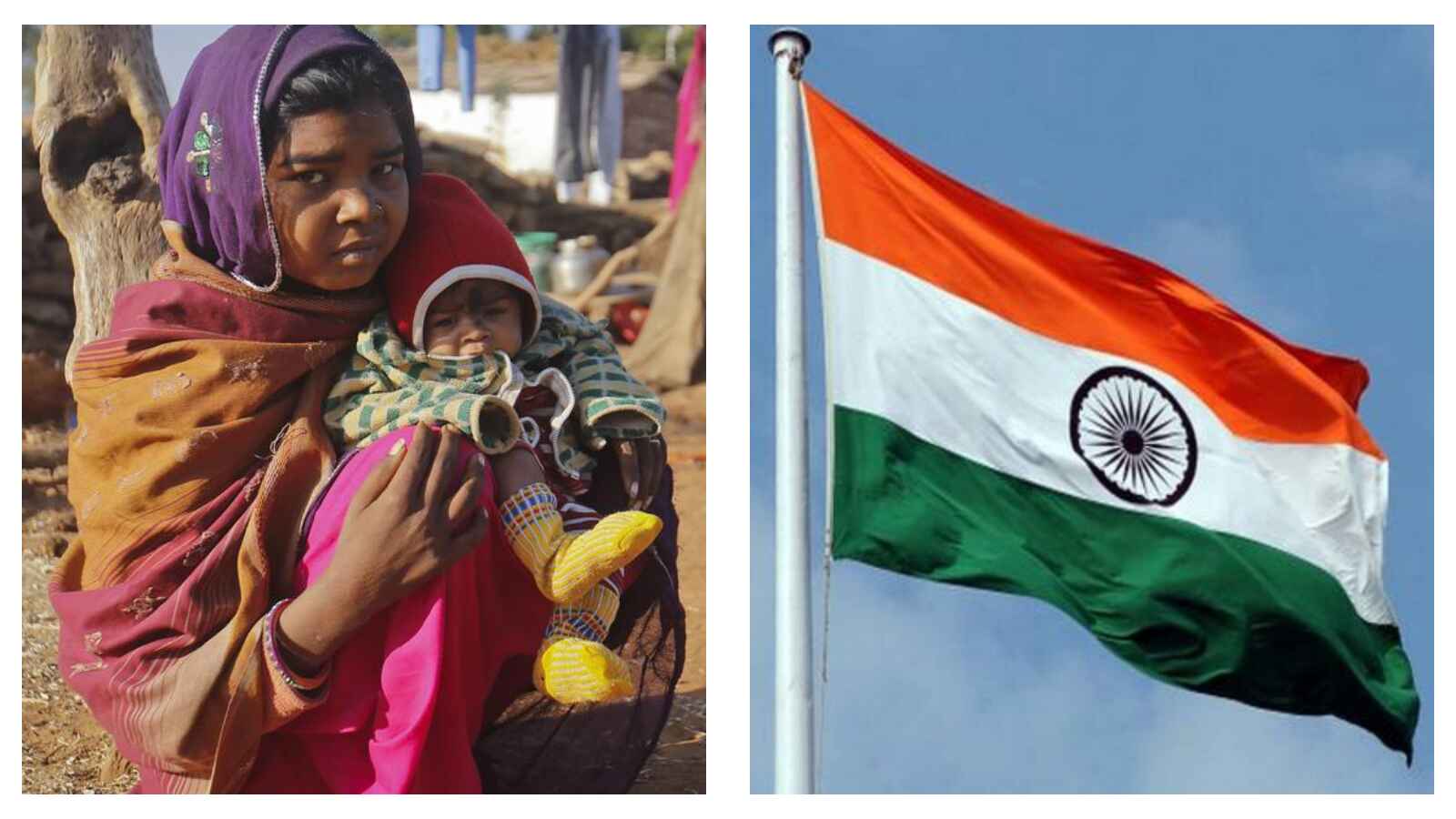
The southern Indian state of Karnataka has launched a statewide audit system on teenage pregnancy.
The programme, to be headed by the Taluk Health Officer (state administration health officer), aims to assess the underlying causes of teenage pregnancies in Karnataka.
This will help the government in building a statewide preventive system to curtail the rising number of teenage pregnancy cases in the state.
Prevention beyond health reports
Between April 2024 and February 2025, the Reproductive and Child Health Cell (RCH) recorded over 25,000 pregnancies among girls aged 14 to 19 in the state.
This places Karnataka among the states with the fastest-growing number of teenage pregnancies in the country.
“Adolescent pregnancy remains a significant public health and social concern with implications for maternal health, neonatal outcomes, and socio-economic development,” said the government.
To track new and existing cases, the government ordered all local healthcare institutions to report teenage pregnancies via the RCH platform.
“The audit shall examine age at marriage, educational status, awareness on reproductive health, access to contraception and counselling services, socio-economic and family vulnerabilities,” said the government.
It directed strict confidentiality in the handling of the cases, in accordance with child protection laws.
YOU MAY ALSO LIKE: Experts raise concern as ‘Cicada’ COVID-19 variant spreads across the US
Free counselling services, contraceptives
As part of the directive, the Karnataka government has also ordered local health centres to provide accessible counselling services and contraceptives to teenage girls from vulnerable social groups.
This includes school dropouts, migrants and girls from socially disadvantaged households.
In addition to the Taluk Health Officer, members of the Medical Officer of the Primary Health Centre, health inspectors, and school representatives will also take part in the programme’s implementation.
It will integrate efforts across sectors, aligning with national schemes such as the National Health Mission and the Rashtriya Kishor Swasthya Karyakram health programme, as well as child development and school health initiatives.
READ NEXT: Ten countries with the lowest fertility rates in 2025
 Carmela Calling
  James Mario Ajero