
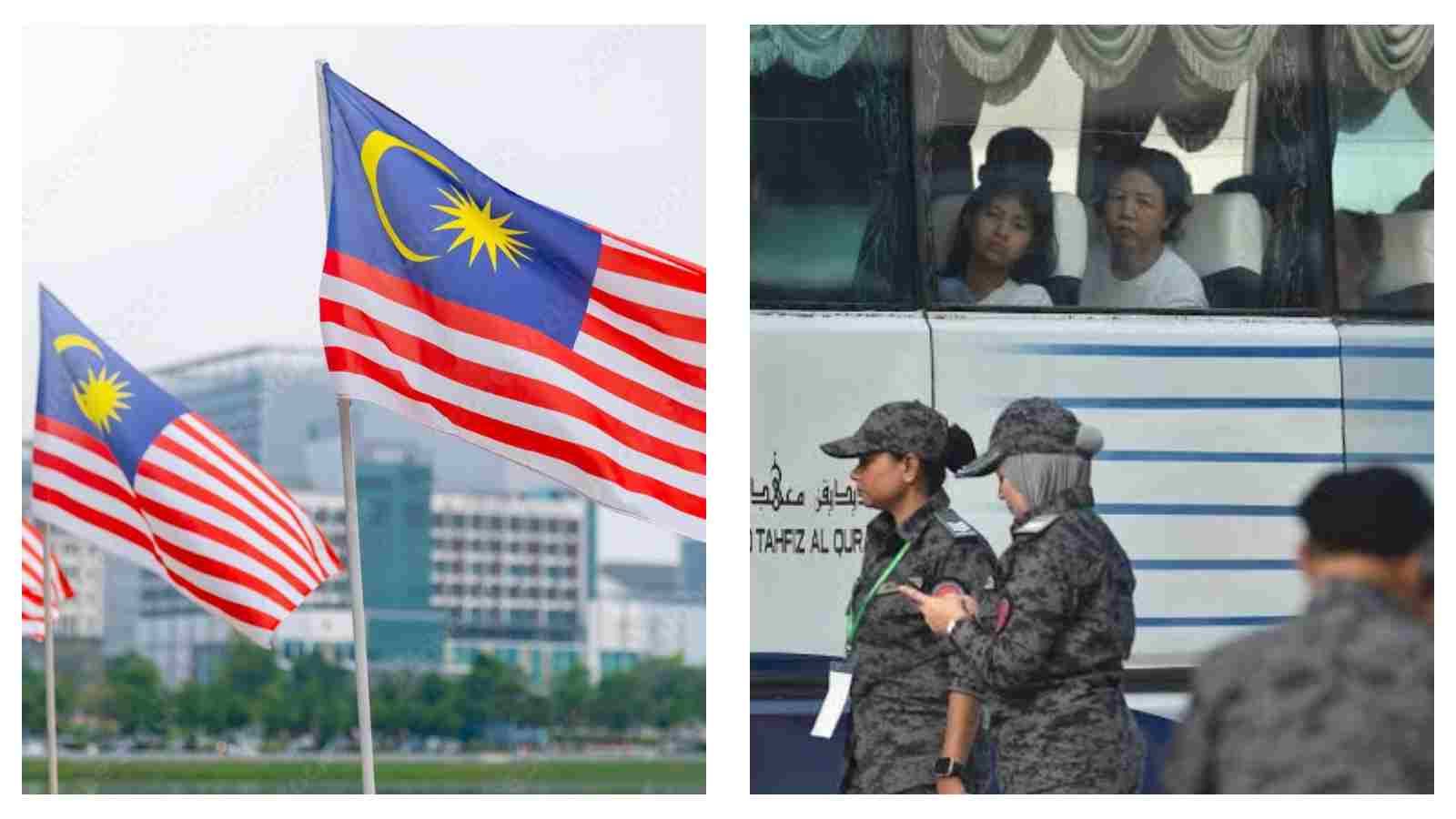
A United Nations human rights expert described Malaysia’s ongoing repatriation of Myanmar migrants as “gravely” concerning, as she called for the suspension of the initiative agreed with the military-backed government in Nay Pyi Taw.
In a statement published on Thursday, October 1, UN’s Special Rapporteur on the situation of human rights in Myanmar, Kelley E. Currie, said that humanitarian situations in the country remain dire.
Following the military’s seizure of power in the 2021 coup, the safety of returning migrants from Malaysia is not guaranteed.
“Under international law, the Government of Malaysia is obligated to uphold the principle of non-refoulement and prevent the return of individuals to situations where they face a real risk of persecution, torture, or other serious human rights violations,” Currie said.
In a direct appeal to Kuala Lumpur, she said the government must uphold the legal, humanitarian and practical criteria required for voluntary repatriation in order to safeguard the human rights of concerned migrants.
“In my assessment, the risk of refoulement in the present circumstances is substantial,” Currie said.
First batch arrives
The UN released the statement after the first batch of deported Myanmar migrants departed Malaysia on Monday, September 29, on board two Navy warships and a hospital vessel deployed by Nay Pyi Taw.
The group reportedly comprised a total of 1,476 individuals, including women and children.
They arrived in the southern Myanmar region of Yangon early Sunday.
The ships carrying the migrants docked at the nearby military base in Thanlyin, where hundreds of families had gathered since dawn to fetch their relatives, Agence France-Presse saw.
Speaking to AFP after getting off the ship on Sunday, one of the returnees, Kyaw Swar Thein, expressed tedious sentiments about his arrival, as his future in the homeland, reeling from civil conflict, seemed no clearer than in a foreign nation.
“I do not hope for anything,” he said.
MORE INTERNATIONAL NEWS: North Korea claims AI helped power latest intermediate-range missile test, Seoul holds emergency meeting
Thousands more coming
Malaysia announced in July its plan to carry out phase-by-phase repatriation of around 5,000 Myanmar migrants convicted of staying illegally and other immigration violations in the country. It later insisted that all returnees have agreed to voluntary deportation from detention centres.
A large number of Myanmar migrants in Malaysia belong to the predominantly Muslim Rohingya group, but it is unclear as of press time how many of the returnees belong to the Rakhine ethnic community, which is now at the centre of various genocide cases concerning a brutal Myanmar military crackdown in 2017.
The Malaysian Prime Minister has framed the mass repatriation as a step toward regional stability and public order, pointing to rising anti-Rohingya sentiment online, increased immigration raids and the closure of several Rohingya schools in Malaysia due to safety concerns and community complaints.
In August, Malaysian Foreign Minister Datuk Seri Mohamad Hasan said Nay Pyi Taw has agreed to take back the said number of migrants via ship transport.
The schedule for the succeeding batches of returnees is unclear as of writing.
YOU MAY ALSO LIKE: South Sudan presses ahead with December polls amid mounting concerns
‘Refugee ping-pong’
The move from Kuala Lumpur has sparked widespread criticism not just from the UN but from various local and international civil society organisations.
Last month, London-based rights group Burma Campaign UK launched a campaign against the deportation, calling on its “supporters and members of the public to email the government of Malaysia demanding they stop the handovers.”
“Malaysia is sending the refugees back to a country where they will have no rights, no citizenship and face some of the most severe repression in the world,” the group said in a statement.
Its director, Mark Farmaner, characterised the move as “refugee ping-pong,” believing that the majority of returnees will be Rohingya people.
“Handing Rohingya refugees to the Myanmar military at the same time as the Myanmar military pursues genocidal policies designed to force Rohingya to flee is not a solution to this crisis,” he was quoted as saying in the statement.
READ NEXT: Philippine Senate bill seeks to support global opportunities for Filipino artists, creatives
 Eugene Nicklaus S. Laqui
  Levi Mora
  James Mario Ajero