
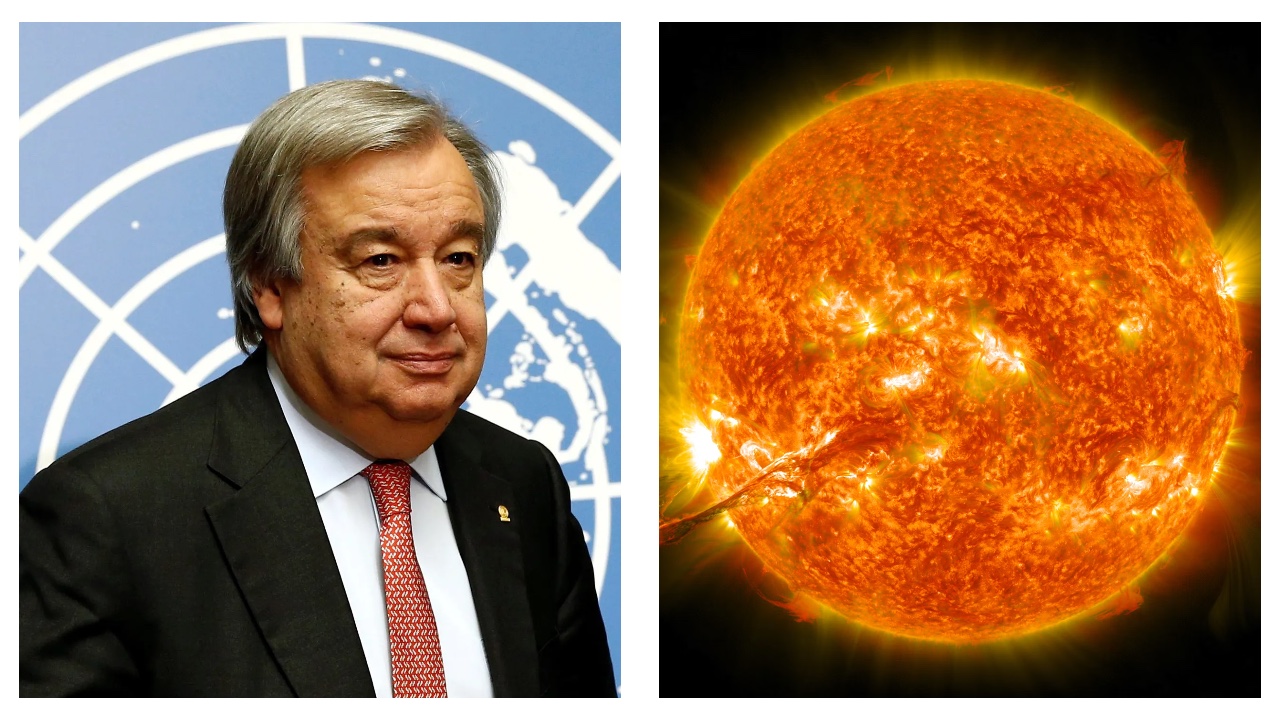
United Nations Secretary-General António Guterres sounded the alarm over what could be devastating effects brought by an accelerating El Niño in the following months.
Heat, floods, drought, and disruptive weather are likely to persist, and officials are urging everyone to prepare.
“El Niño is being supersized before our eyes,” Guterres said in a UN press release on Thursday.
New forecasts from the World Meteorological Organisation (WMO) state that El Niño could become “very strong” and may even peak around the end of the year.
‘Supersized’ El Niño
El Niño may even extend until February 2027, with its likelihood already nearing 100 per cent – a forecast that the UN weather agency has not issued for both El Niño and La Niña until now.
It also warned about an enormous reservoir of unusually warm water beneath the surface of the tropical Pacific, which could contribute to El Niño in the upcoming months.
Subsurface temperatures in July and early August in some parts of the Pacific reached over eight degrees Celsius above normal.
This means there is an unusually powerful climate event brewing amid an already warming planet.
“The science leaves no room for doubt: the planet is in uncharted waters, and those waters are heating up,” Guterres added.
READ MORE: ASEAN pushes for more funding in clean energy, digital infrastructure

Exceptionally warm oceans add fuel to the fire
El Niño usually develops every two to seven years when unusual warmth persists in the central and eastern equatorial Pacific.
This can change atmospheric circulation, which then alters rainfall and temperature patterns across the globe.
But scientists are warning that this particular El Niño period has been developing amid already exceptionally warm oceans.
Although it has not been established that man-made climate change is strengthening this weather phenomenon, it can be said that a warmer atmosphere can intensify some of the consequences of El Niño, which in turn contribute to extreme weather.
Experts on the lookout
WMO head Celeste Saulo warned that this period’s El Niño could drastically affect communities and economies across the world.
“We are already seeing the disruption and devastation caused by droughts and floods, and we expect these impacts to worsen as El Niño intensifies.”
The World Health Organisation and national weather agencies have already joined hands to bolster forecasts and early-warning systems as a response to this risk, aiming to help governments and organisations prepare for its possible effects on agriculture, public health, energy and water supplies.
“This exceptional El Niño demands exceptional preparedness and response,” Saulo said.
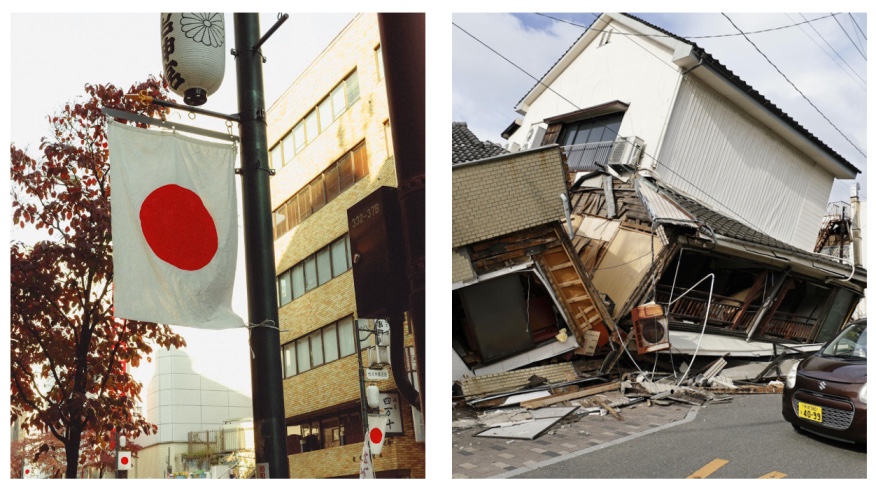
MORE INTERNATIONAL NEWS: Japan to fund portable water units as quake recovery exposes gaps
World faces risky period
There is a possibility that not every region will face the same level and magnitude of disasters brought by a very strong El Niño, but forecasters are expecting above-normal temperatures across the globe from September to November.
Some places may experience a greater chance of heavy rain and flooding, while drought could happen in others.
Adding to these forecasts are the positive phase of the Indian Ocean Dipole and the warming of the tropical Atlantic – signaling a risky period for everyone.
READ NEXT: AI access cut off for elementary and middle school students in New York City
 Levi Mora
  Eugene Nicklaus S. Laqui
  Ian Trinidad