
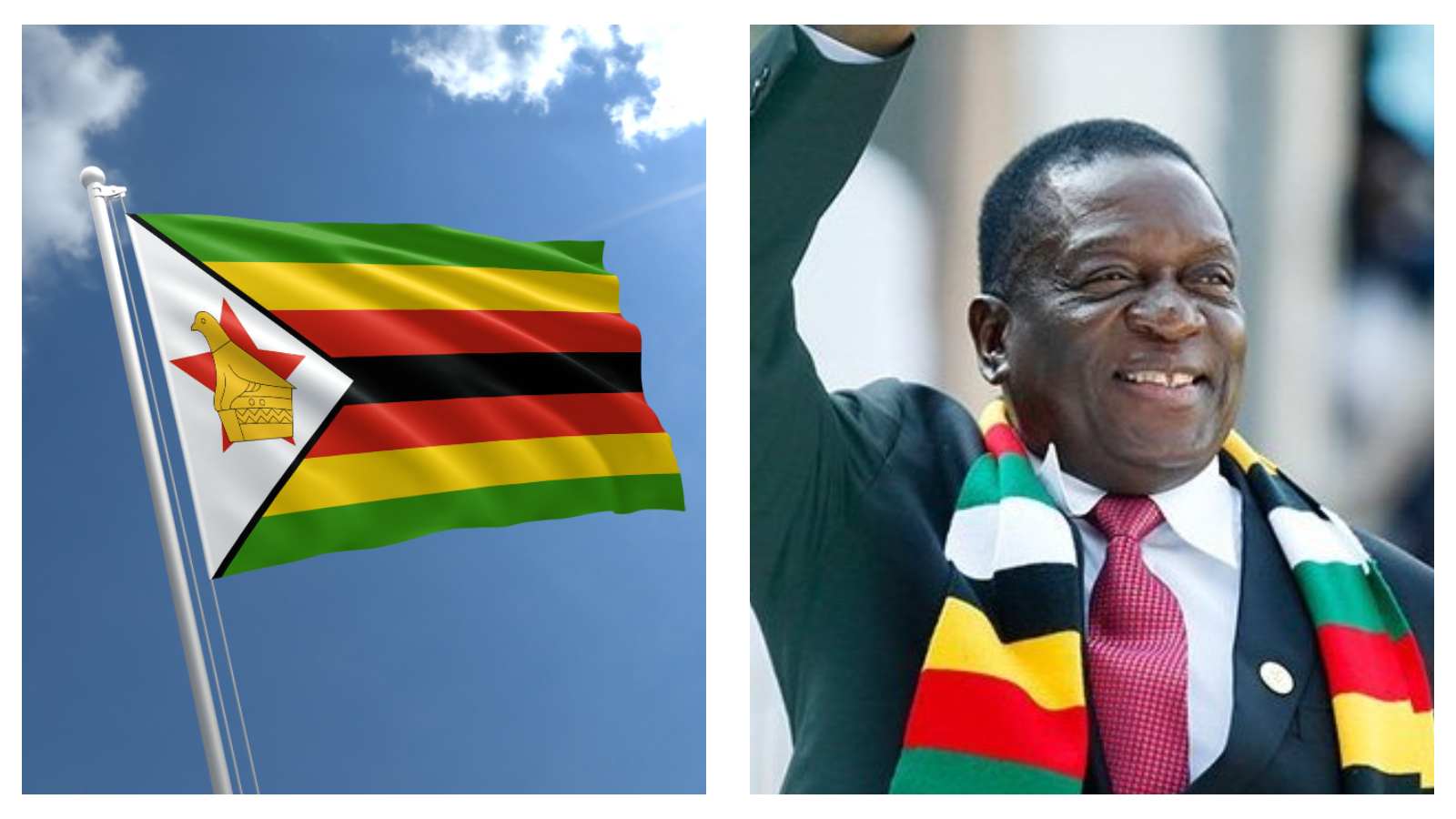
Zimbabwe’s Senate has passed a controversial constitutional amendment extending presidential terms, allowing President Emmerson Mnangagwa to tighten his grip on power.
Senate President Mabel Chinomona announced that 75 senators voted in favour and four against Constitutional Amendment Bill No. 3 (CAB3), which extends presidential and parliamentary terms from five to seven years, on June 24, Al Jazeera reported.
Earlier, 216 lawmakers in the National Assembly voted in favour of the draft legislation, surpassing the 187 votes needed for a two-thirds majority.
Passage of the bill was never in doubt as Mnangagwa’s ruling Zimbabwe African National Union–Patriotic Front (ZANU-PF) controls the upper house of parliament and has governed the country since 1980.
A big win for Mnangagwa
The controversial amendment would allow the 83-year-old to remain president until 2030 instead of leaving office in 2028, when his second term expires.
Mnangagwa and the ruling ZANU-PF party have been pushing to amend the constitution and extend presidential terms, a move that received Cabinet backing in February.
The move marked a notable U-turn for Mnangagwa, who had previously pledged to respect term limits and described himself as a “constitutionalist,” BBC reported.
The amendment also includes a provision for the president to be elected by parliament instead of through a direct popular vote, with officials arguing the change would prevent legislative gridlock and curb political violence.
YOU MAY ALSO LIKE: New cave found in Vietnam nature reserve

Court dismisses bid to challenge term extension
Mnangagwa’s victory came after the court dismissed a legal challenge by activists, former lawmakers and liberation war veterans against the proposed amendments, which they labelled “unconstitutional.”
A bench chaired by Justice Bharat Patel ruled that the war veterans’ application “fell short of critical legal requirements and was therefore fatally defective,” News Zimbabwe reported.
Similarly, the court rejected former legislator Prince Dubeko Sibanda’s challenge to halt parliamentary proceedings on the amendment bill, ruling that the issue was not yet “ripe for determination.”
Despite the legal setback, Lovemore Madhuku, a lawyer representing the war veterans, said his clients respected the court’s ruling but pledged they would not give up.
Meanwhile, lawyer Sylvester Hashiti, who represented Mnangagwa and Attorney General Virginia Mabhiza, welcomed the court’s decision.
“They failed to establish anything that we have done wrong in terms of the law and therefore have no cause of action and the matter was struck off the roll on merits,” he said.
Alleged attempts to silence opposition, critics
In addition, Human Rights Watch said in March that Zimbabwean authorities were using intimidation and violence against individuals opposing the amendments.
“Over the last few months, the police and unidentified armed men have threatened, harassed, and beat up several people who are opposed to the proposed constitutional amendment,” it said in a statement.
Critics such as Tendai Biti, one of the Constitutional Defenders Forum’s (CDF) convenors, claimed that security forces had barged into his office multiple times since October 2025.
However, Zimbabwean police denied the allegations, saying officers had been sent to Biti’s office “to maintain law and order.”
‘Constitutional coup’
Opposition groups and critics sharply criticised the amendment, calling it a “constitutional coup” amid fears it would tighten Mnangagwa’s grip on power and weaken democracy.
Makomborero Haruzivishe, a spokesperson for the CDF, said the controversial amendments were a blatant violation of Zimbabweans’ “fundamental rights” to vote.
“It is a calculated constitutional coup against the people of Zimbabwe. It strips citizens of the fundamental right to directly elect their president, replacing popular sovereignty with parliamentary selection by a captured legislature,” he told The Guardian.
However, Nick Mangwana, permanent secretary in the information ministry, rejected the criticism, arguing that the amendments would improve the country’s political stability.
“The primary objective is to enhance political stability and ensure policy continuity…We are not removing presidential term limits, we are simply adjusting the electoral cycle to reduce the frequency of highly contested, polarising elections,” he said.
Uncertain political future
The controversy surrounding the amendments has deepened uncertainty over Zimbabwe’s political future, with critics warning the changes could return the country to more repressive rule.
Nonetheless, the amendment would place Zimbabwe alongside other African countries such as Cameroon and Uganda that have amended their constitutions to keep leaders in power for longer periods.
Mnangagwa came to power after a 2017 military coup ousted long-time leader Robert Mugabe and went on to win the 2018 and 2023 elections.
However, his presidency has been marked by persistent economic challenges, disputed elections and democratic backsliding, falling short of the expectations many had following Mugabe’s removal.
READ NEXT: India deepens engagement with critically positioned Seychelles
 Kamille Q. Cabreza
  Wendellyn Mateo