
By Takudzwa Mawera
Medieval fantasy is an age-old setting and genre that remains captivating in modern storytelling, particularly amongst manga and manhwa readers.
Throughout history and the present, traditional societal and political structures have shone brightly in many major manga and manhwa productions, given that these structures and hierarchies are embedded in the genetic makeup of many a country’s histories.
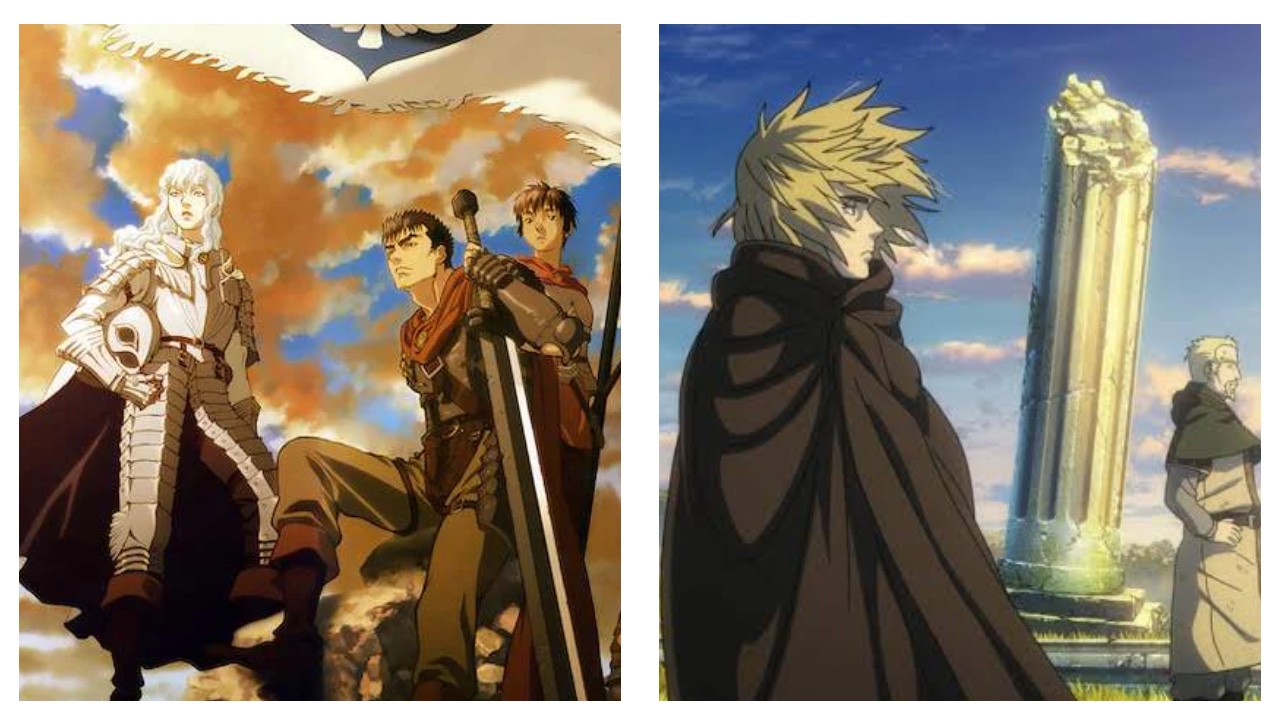
This is particularly highlighted in big blockbuster anime titles such as ‘Berserk’ and ‘Vinland Saga’, and even many Korean and Chinese Wuxia/Xianxia dramas that have found their way into Western mainstream media platforms.
Such projects are attracting readers and consumers through their use of medieval-inspired worlds as a hook that satiates their interests in themes such as those of power and influence.
A long-standing genre
Long before the emergence of Isekai and Webtoons, manga has been around, drawing many of its greatest works from the dark underbelly of the medieval period.
A prominent example of this is ‘Berserk’, a world-building guide which is based on a feudal-style world.
The story is centered around a mercenary of that time period viciously clawing his way to the top of a brutal military hierarchy, given that status was equivalent to military standing.
Additionally, there is ‘Vinland Saga’, a story based on the real Viking Age featuring a young blossoming warrior who dares to question the codes of honor embedded in his upbringing.
These series treat the themes of class, loyalty and violence highlighted in these historical sagas as the drivers and cornerstones of the entire plot.
Within the context of the plots, there are clear and non-neutral contrasts between traditionalism and progressiveness that the main characters and supporting characters have to contend with as the choices they make impact their character development (or lack thereof).
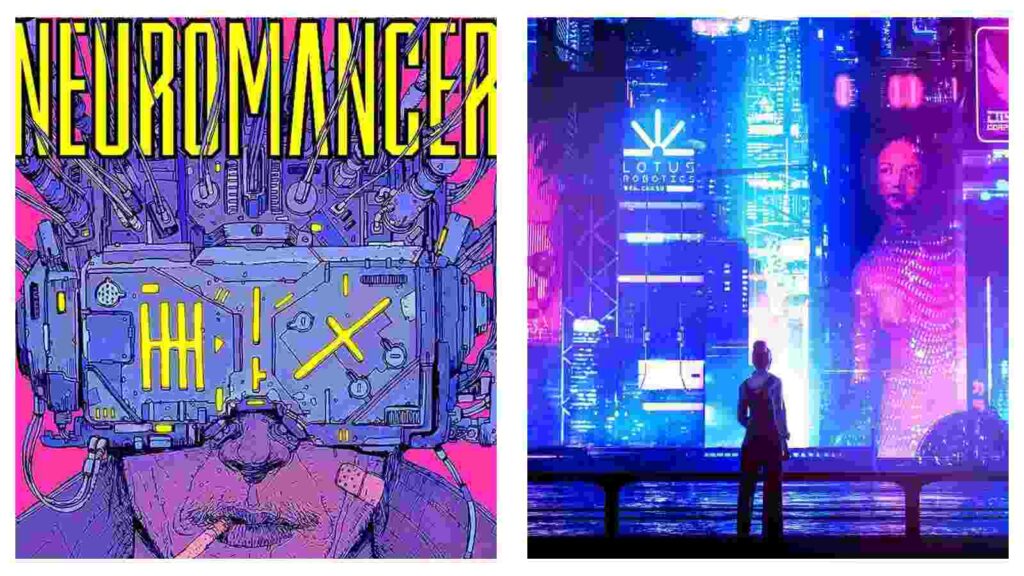
READ MORE: Apple TV goes cyberpunk in new upcoming series based on genre-defining novel ‘Neuromancer’
Manhwa reshapes the genre
Korean webtoons have used the same framework but refined and directed it to focus more on court politics.
Popular titles including ‘The Remarried Empress’ and ‘Who Made Me A Princess’ apply the concept of disgraced heroines and reincarnated modern women to these medieval worlds.
These worlds observe questionable socio-economic norms embedded into strict noble hierarchies where the essential issues of succession, status and arranged marriages dominate the social landscape, thus determining one’s rise and fall more than violence brought forth in the form of sword fights.
There is a clear contrast between manga and manhwa.
One uses the medieval framework to focus attention on the loud, uncouth and raucous battlefield, while the other gravitates towards the regal, crafty and scheming court and halls of power drenched in juicy suspense, plot twists and political intrigue.
The conflicts are often silent but always steeped in many recipes for political ploys, such as women using privileged information gained in advance in an obscure manner, or being granted a second chance to outmanoeuvre their enemies in a traditionally inclined society that often does not have their best interests at heart.
This method has proved on multiple occasions to be commercially effective, given that ‘The Remarried Empress’ has been given the green light for a live-action adaptation on Disney+ due for release in late 2026.
Its success follows the popular and recently adapted manhwa, ‘Solo Leveling’, which has now transformed into a global anime sensation with many merchandise and international brand deals attached to it.
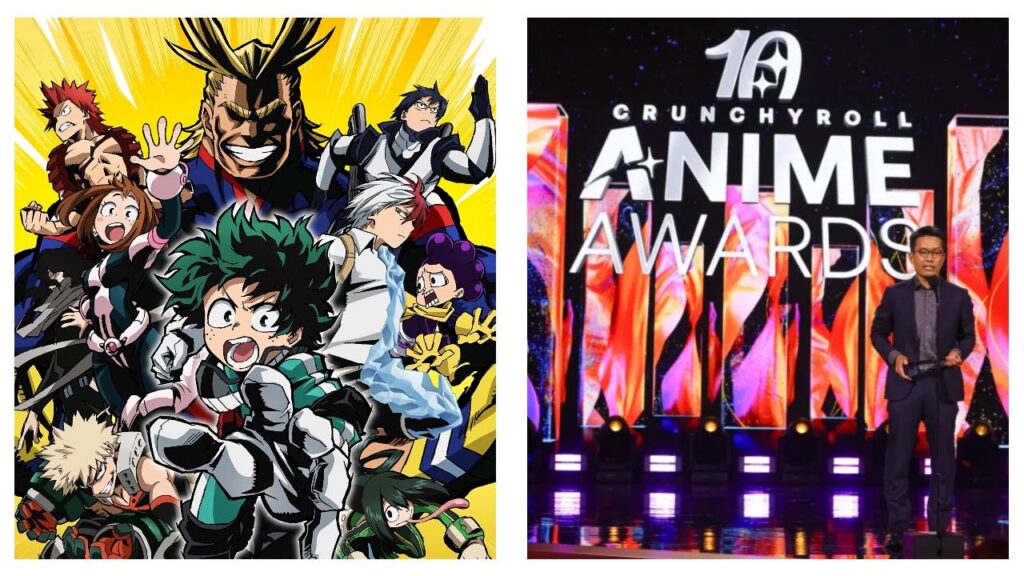
MORE ANIME NEWS: Anime Awards 2026: Winners from the 10th edition
Why does the genre still maintain a strong appeal?
Critics and commentators usually always trace popularity to strongly highlighted themes.
Thus, rigid medieval hierarchies offer readers the opportunity to experience a world where status and rules are clearly highlighted unlike the darker depths of modern work and social life.
Some readers consider this clarity to be the true fantasy, where one’s efforts and rank are clear despite an unfair system.
Regardless of whether the world shapes the story around a mercenary’s battlefield or a royal’s court, the appeal remains alluring.
The fact that medieval fantasy’s progression from manga into manhwa and now into mainstream television clearly indicates that the genre continues to develop and progress while reaching a wider audience.
READ NEXT: Film news: All rumoured and confirmed castings for MCU’s ‘X-Men’ reboot
 Angelica N. Hall
  Levi Mora
  Wendellyn Mateo