
By Emily Hodson
Solar power is finally moving from rooftops to shelves.
From August 27 2026, plug-in balcony solar panels will be legal to sell in the UK.
Putting more affordable energy within reach of renters, the new law aims to ease the growing pressures on households following disruption caused by the Iran war.
But will this make a difference?
As energy bills continue to rise, many are asking whether this will make a tangible difference to the public’s pockets.
Solar panels within reach
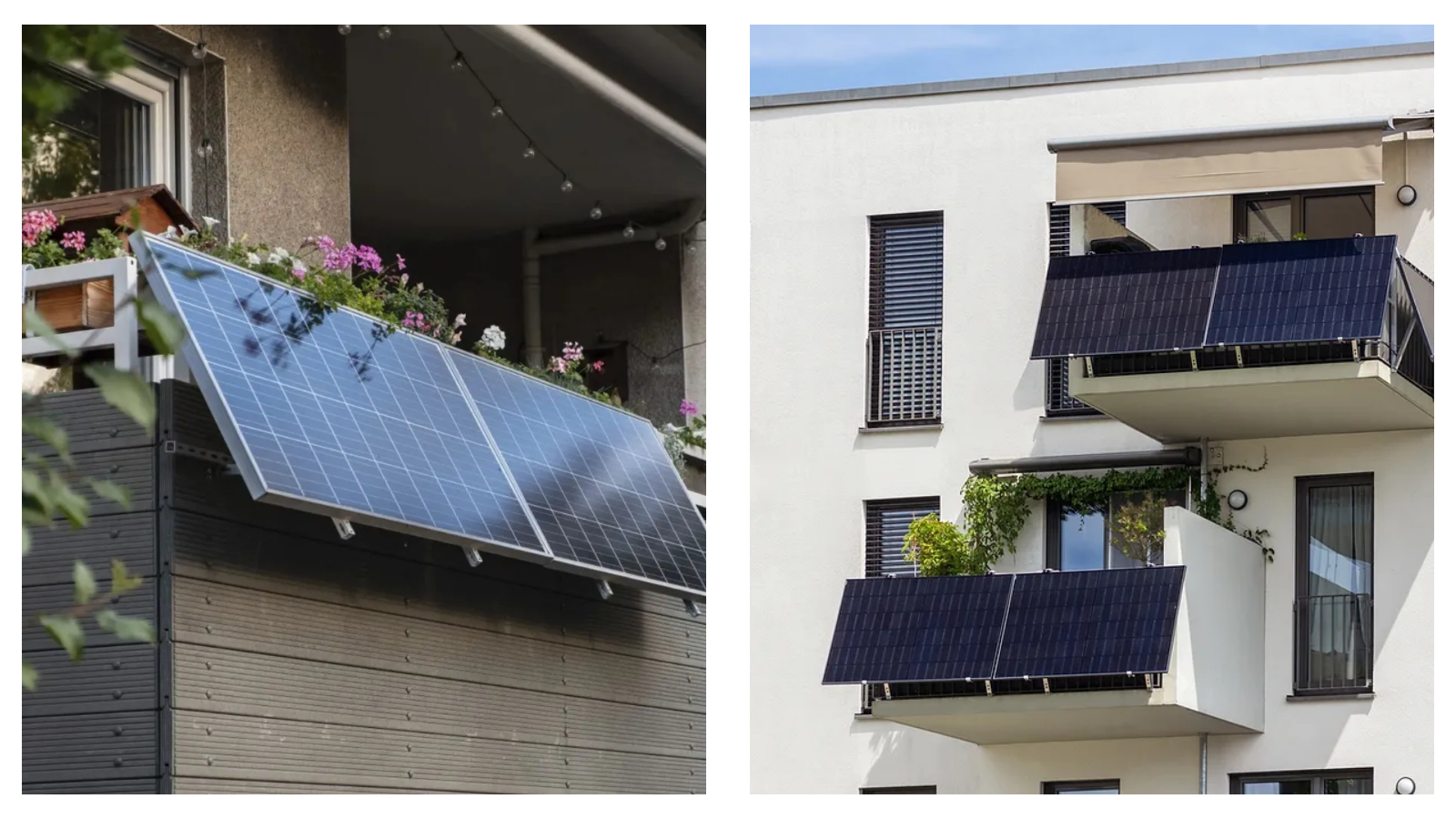
Under the 2026 regulations, households will be able to plug solar panels into a standard wall socket and attach them to balconies.
The self-installed kits are capped at 800 watts, generating electricity for use in homes.
Solar energy will now be a part of the high street.
The new devices are expected to be sold by retailers such as Currys, B&Q and Asda.
Whilst renters will still need permission from landlords, the kits can be self-installed once approved.
The new balcony solar kits will be priced at around £400.
This could potentially save households £70-£110 a year on energy bills.
READ MORE: US Senate approves tougher sanctions bill against Russian energy

Solar: pressure off the planet
An alternative to fossil fuels, solar power can significantly cut global greenhouse gas emissions.
When manufactured more sustainably, solar energy can benefit the environment significantly.
Research from the Universities of Northumbria, Birmingham, Warwick and Oxford supports this.
In a report, researchers estimated that manufacturing solar panels using lower-carbon electricity could save up to 8.2 gigatonnes of CO₂-equivalent emissions.
Therefore, solar panels can play a crucial part in global efforts to limit the impacts of climate change.
Household costs
Solar panels have long been a favourable option for households looking to cut their energy bills.
A government report published in April 2026 found that nearly 23,000 new solar installations were recorded that month.
Solar power is a renewable energy resource.
Consequently, households can reduce how much grid electricity they purchase as they can generate it themselves.
Within the government report, Ed Miliband stated, “This is what our clean power mission looks like: backing homegrown energy, giving people more control over their bills…”
MORE FOR YOU: Seoul, Washington to conduct military drills amid threats from Pyongyang

Energy crisis
The events of the Iran war have disrupted global oil and gas prices.
Iran blocked the Strait of Hormuz shipping route in response to US and Israeli attacks.
The vital route allows the transportation of roughly a fifth of the world’s oil and gas.
Consequently, households within the UK are facing an unprecedented energy crisis.
As of July 2026, National Energy Action found that the average UK household energy bill is £1,862 under the Ofgem price cap.
This is roughly £155 a month.
To install or not to install?
On the surface, saving £70-£110 a year on energy bills is appealing.
However, with the upfront cost of the kits being around £400, it may take around four to seven years to cover the initial cost.
Restricted to 800 watts, the kits are only one-fifth of the capacity of a typical rooftop solar panel system.
Whilst they cannot power a whole household, they can reduce how much electricity users need to buy from the grid.
However, there is another drawback.
Coming into force in late August, the new regulations arrive as summer concludes.
As daylight hours start to decline, solar generation will naturally decrease in the fast-approaching autumn and winter months.
Furthermore, the kits are not equally accessible for all households.
Not everyone has access to direct sunlight or even a balcony to accommodate the panels.
ALSO ON NJN: F1 star George Russell announces engagement to Carmen Montero Mundt

A sustainable option
Solar panels are a long-term investment that can last for decades.
Therefore, when the initial cost is paid off, they can decrease energy bills for many years.
Although renters must ask their landlord for permission before installation, the kits should reduce the need for professional installation.
Substantial doubt remains over whether the balcony solar panels will truly reduce household bills.
Despite this, the current cost-of-living crisis is forcing households to try every option available.
Solar panels on our balconies might not be the energy revolution we have been waiting for, but they are certainly a step forward worth welcoming.
READ NEXT: Philippine Coast Guard warns residents of potential debris from China’s rocket
 KC Maderia
  Andre Alfonso R. Gutierrez
  Rosemarie Zamora