
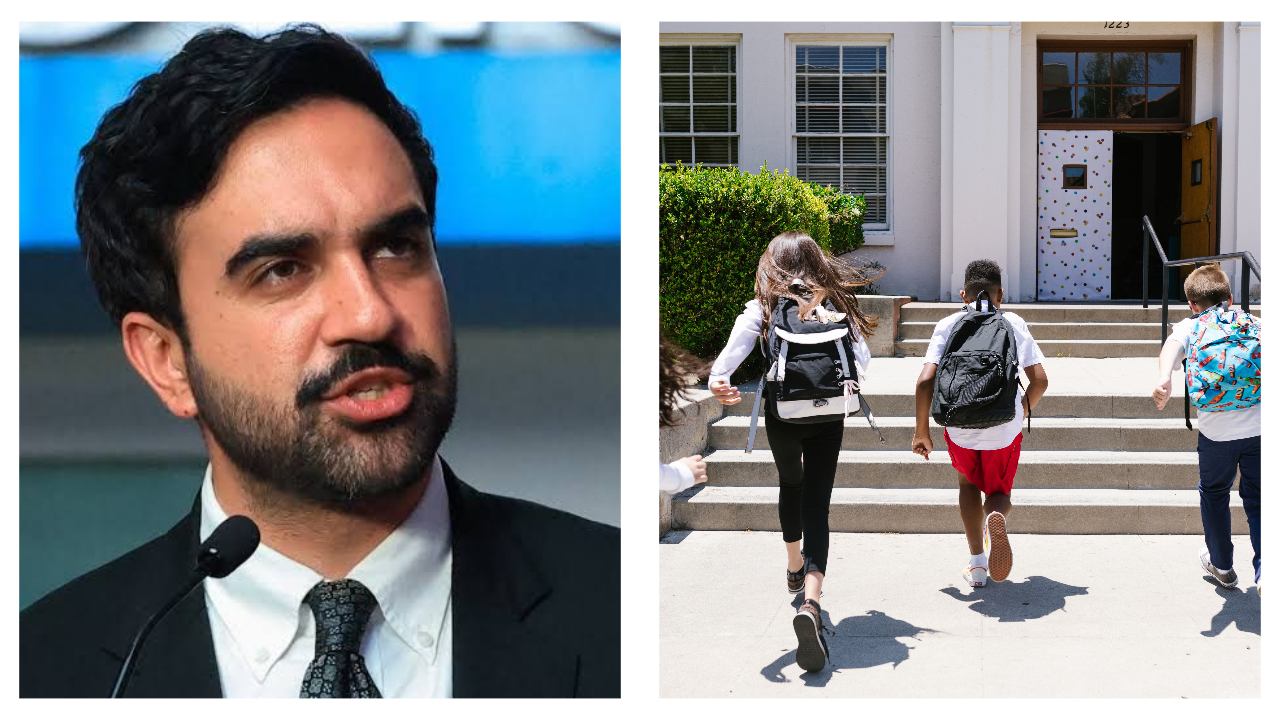
In one of the most sweeping such policies in the United States, New York City will bar students below the high school level from using artificial intelligence (AI) tools for the coming school year.
The one-year limitation will apply to nearly 600,000 learners and establish a clear dividing line, where those aged 14 and up may participate in limited trials while younger students will be excluded entirely.
Prioritizing development over automation
According to New York City Mayor Zohran Mamdani, the policy is rooted in concerns over both academic growth and mental health.
He emphasized that AI applications designed to provide emotional support are also being removed from all classrooms, arguing that automated tools cannot replace the human elements of education.
“The tech industry wants us to believe that AI-powered early education is not only inevitable, but necessary. We do not see it that way,” he was quoted by AFP as saying.
“Children need teachers and human connection to learn and grow. They need to develop skills alongside their peers, build relationships with educators and wrestle with tough problems on their own.”
Phased approach for older students
Under the new policy, high school students will encounter AI only within carefully scoped pilot projects, alongside biannual training to build critical digital literacy.
Meanwhile, teachers will face no comparable restrictions and may continue using the technology for lesson preparation and administrative tasks.
Before any rules become permanent, a diverse advisory group will examine the policy’s impacts and publish findings throughout the 2026-2027 school year.
New York Governor Kathy Hochul highlighted that this delicate balance is necessary to ensure that rapidly-changing technology supports children and their learning, rather than getting in the way of it.
YOU MAY ALSO LIKE: New Zealand seeking to ban social media for children under 16 due to risks
Shift from earlier guidelines
Wednesday’s announcement marks a significant policy reversal from March, when the city permitted AI use for research, exploration and creative tasks.
That framework drew criticism from parents and teachers who felt safeguards were insufficient.
The city’s schools chancellor, Kamar Samuels, conceded that the previous rollout had been flawed, saying that leaders had missed the mark in their communications.
He then committed to refining future guidance based on community input.
READ NEXT: Meta settles with US states, promises to make significant changes on its platforms
 Vivien Bernardino
  Ren Azrack Escosio
  Wendellyn Mateo