
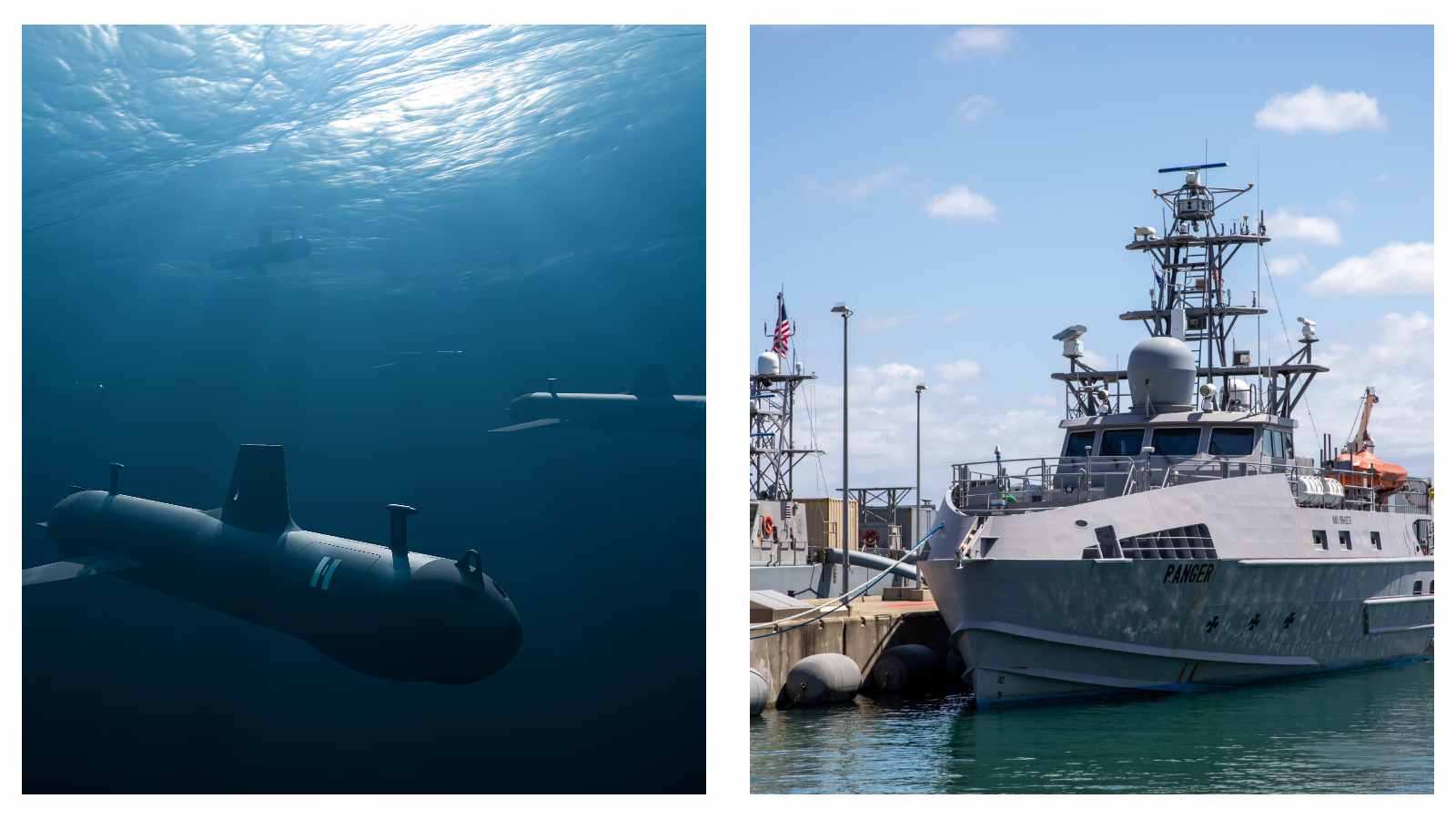
The Indian government is stepping up naval monitoring by expanding artificial intelligence software deployment alongside commercial satellite data streams to locate, track, and intercept vessels that threaten New Delhi’s security interests in the Indian Ocean.
Safeguarding maritime corridors is a paramount goal for major economies, especially amid naval-related energy crises that hamper trade and inflict supply shocks.
Illegal fishing, smuggling, and illicit oil cargo transfers are among the common maritime infractions the Indian Navy aims to intercept.
AI-supported naval monitoring
The Indian Navy plans to use AI software for maritime surveillance along with existing monitoring tools such as radar imagery, electro-optical camera feeds, and automated vessel fingerprinting.
Through this tactic, the navy is aiming to sufficiently counter non-cooperative vessels.
Dark vessels commonly switch off their Automatic Identification System (AIS) transponder to avoid detection.
Under the Indian Navy’s strategy, AI algorithms can help analyse movement patterns, satellite photos, and radar reflections to spot hiding vessels even with inactive AIS transponders. This is expected to provide the Indian Navy with effective real-time tracking across thousands of miles at sea.
YOU MAY ALSO LIKE: Japan targets record $55bn defence budget for 2027
Budget-friendly option
Deploying a physical patrol force such as ships or boats costs nations fuel, maintenance, and other operational expenditures during regular patrolling at sea.
Meanwhile, pairing AI software systems with monitoring tools strengthens the Indian Navy’s surveillance effectiveness and coverage without the need to scale up its surface combatant fleet.
Additionally, cloud-based support would be a timely and flexible solution to long-term surveillance challenges.
India as a maritime security provider
If the efforts yield positive results, this positions India not as a competing force for maritime interests in the Indian Ocean, but as an active security provider for other nations in the region.
Partner nations could also benefit from the programme by coordinating their maritime surveillance efforts with New Delhi.
This would be strategically ideal, as it would reduce dark vessels from engaging in evasion tactics and illegal transshipments in the region.
READ NEXT: UAE, Saudi Arabia plan to build oil storage facilities in Philippines
 Angelica N. Hall
  Kamille Q. Cabreza
  Geoffrey H. Latayan