

The presence of Russian delegates has created a divided situation among the members of the Group of 20 (G20) intergovernmental forum.
This comes after the United States sent the country an invitation to join the group’s summits, saying that the goal was to “get along with everybody”.
Welcoming Russia without Putin
The US holds the presidency of this year’s G20 and has extended a strikingly friendly gesture in welcoming Russia to return to the ranks of the international body.
Russia has since joined the energy summit in Houston, Texas, at a time when the global supply of oil and gas is crippled by the impact of the war in the Middle East and the nearly five-year conflict between Kyiv and Moscow.
Among the Russian delegates who attended the energy summit were the country’s energy minister Serdei Tsivilev, foreign minister Sergey Lavrov and natural resources and environment minister Alexander Kozlov.
However, Russian president Vladimir Putin, who is currently facing a warrant of arrest from the International Criminal Court, remains absent from the annual event.
European delegates express disdain
European leaders and diplomats did not shy away from showing their disagreement with allowing Russia to return to the G20 roster.
They said that the move provided Moscow with a platform instead of condemnation for launching war and conducting drone attacks in European territories.
German finance minister Lars Klingbeil relayed the disdain of Germany’s European allies, stating that they do not have plans to join the traditional group photo with the Russian delegates.
The same sentiment was expressed by prominent Democratic US senator Jeanne Shaheen, who said that Washington should pressure the Russian government into immediately halting its war against Ukraine through sanctions and isolation.
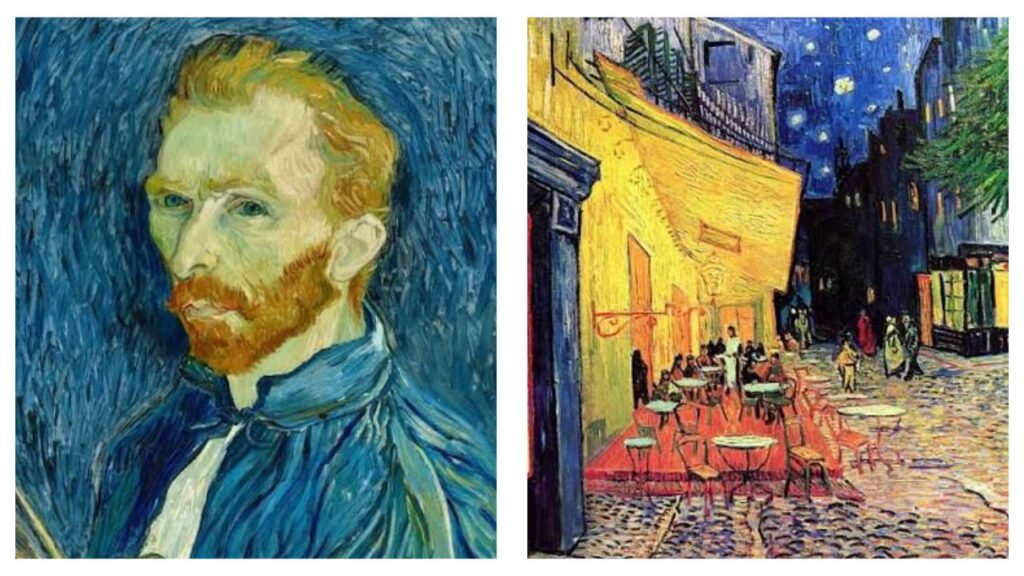
READ MORE: Dutch museum displays Van Gogh’s 88-painting collection after 42 years
US eyes Venezuela involvement
Meanwhile, Venezuela was also invited by the US to attend the energy summit after the two erstwhile rivals struck a monumental deal involving the latter controlling a whopping 65 billion barrels of Venezuelan oil.
US interior secretary Douglas Burgum explained that including Venezuela in the energy summit was necessary to highlight the ongoing shift of the “geopolitical center of oil” from the Middle East to the western hemisphere.
The Strait of Hormuz remains under blockade by US and Iranian forces, while the Red Sea remains equally dangerous for ships to traverse.
Burgum added that Venezuela’s presence at the summit was pushed for by President Donald Trump in a bid to begin a new chapter between Washington and Caracas after years of spats and a lengthy diplomatic turmoil.
Venezuela’s participation will also pave the way for opportunities involving energy deals that could cushion the ongoing global energy crisis.
G20 under US leadership
The US was vocal about pushing for robust economic growth and less regulatory burden within and beyond the members of the G20.
According to its website, the US government has sought to lift “barriers” that hinder the expansion of foreign investments for American and international businesses alike.
And despite the ongoing war in the Middle East, the US has vowed to make energy supplies more accessible and affordable to all by prioritising “energy independence and resilient supply chains”.
YOU MAY ALSO LIKE: TV news: 2026 Emmys become a night of historic firsts
 Maybelene Marcelino
  Geoffrey H. Latayan
  Eleni Poulios