

A papal commissioner appointed by the Holy See has arrived at the Shrine of Torreciudad in northern Spain to assess the escalating administrative and legal impasse between the Diocese of Barbastro-Monzón and the personal prelature Opus Dei regarding the custody of a venerated 11th-century Marian image.
According to Rome Reports, Archbishop Alejandro Arellano Cedillo, Dean of the Tribunal of the Roman Rota, arrived at the sanctuary on September 14 to conduct on-site evaluations following months of heightened jurisdictional conflict.
He also assumes direct authority over the situation following months of intense jurisdictional friction.
The dispute centres on the canonical status of the complex, property titles and the physical possession of the historic statue of Our Lady of Torreciudad.
The papal intervention comes after Bishop Angel Perez Pueyo of Barbastro-Monzon threatened to submit his resignation to Pope Francis if his demands regarding the return of the Marian icon to diocesan authority were not satisfied.
The Holy See seeks to mediate long-standing disagreements over the canonical state of the complex, property rights and the physical location of the historic image of Our Lady of Torreciudad.
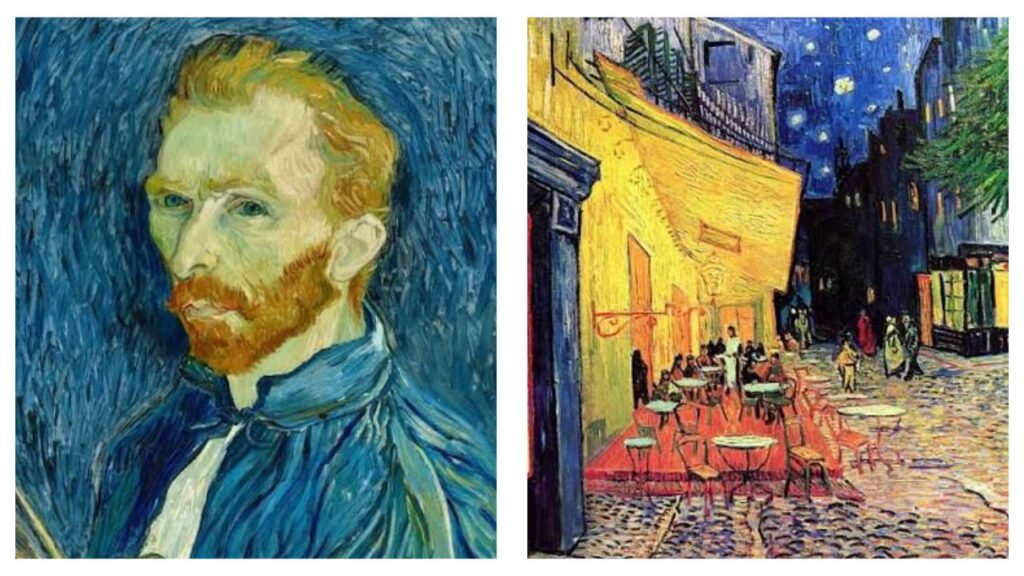
READ MORE: Dutch museum displays Van Gogh’s 88-painting collection after 42 years
Pilgrimage amidst unresolved legal tensions
Despite the unresolved canonical friction between diocesan leadership and Opus Dei officials, the sanctuary proceeded with hosting its annual Marian Day for Families.
Thousands of Catholic faithful and families gathered at the sanctuary in Huesca to participate in the traditional pilgrimage events without operational disruption.
The ongoing presence of the Vatican commissioner signals a direct effort by Rome to mediate the governance agreement and establish canonical clarity over the Marian shrine while public devotions continue uninterrupted.
Conflicting claims
The controversy centres on opposing interpretations of historical agreements signed in the 1960s.
The local diocese maintains that documentation fails to show the authorised and voluntary renunciation of the image.
It insists that the image should remain in its original hermitage where it was venerated for over a millennium.
Opus Dei maintains that public deeds from 1962 and 1966 granted rights of use and custody to allow the image to be housed and venerated in the modern sanctuary complex.
Opus Dei officials emphasised that diocesan ownership of the image has never been in dispute, stating that their stewardship complies strictly with established canonical framework agreements.
READ NEXT: Russia’s return to G20 sparks mixed reactions as US eyes ‘global economic prosperity’
 Maybelene Marcelino
  Geoffrey H. Latayan
  Eleni Poulios