
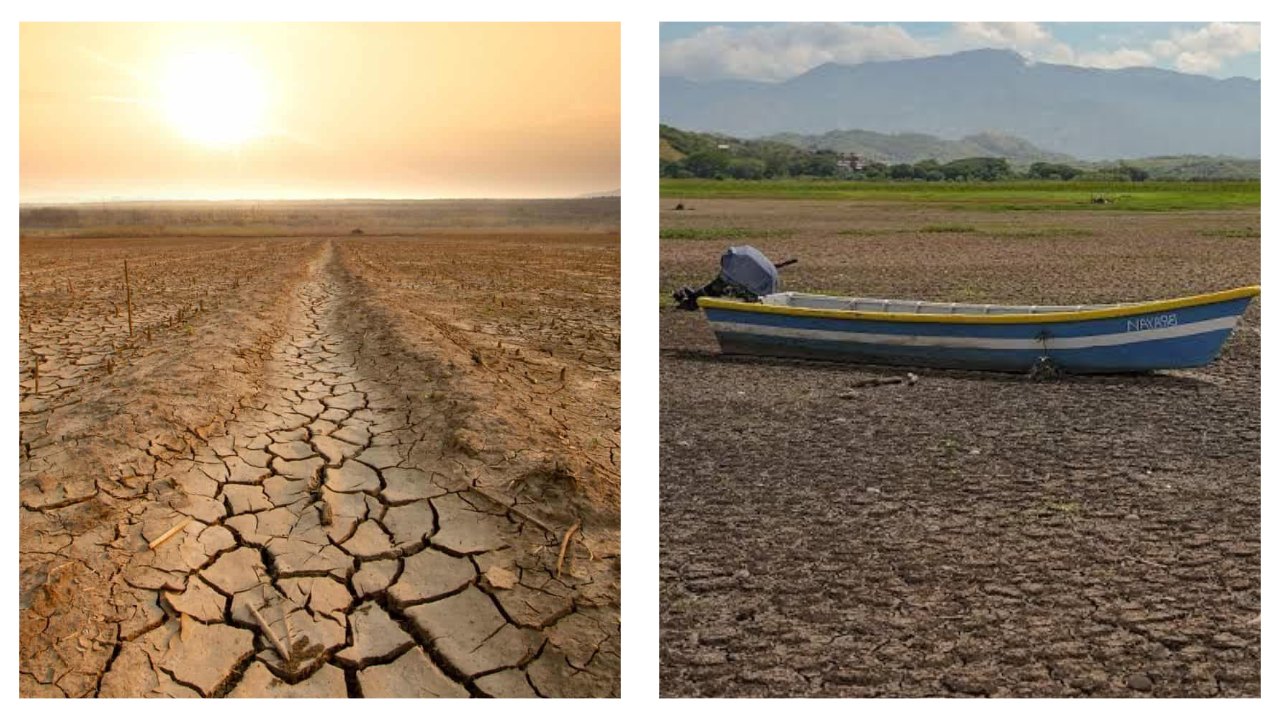
A powerful El Niño is expected to bring severe drought and extreme heat to parts of Asia, threatening the production of crops and putting pressure on fisheries and water supplies.
As the warming of Pacific Ocean waters continues, prices of food may be affected, with families soon experiencing higher costs of commodities in markets.
Analysts at Goldman Sachs said the El Niño phenomenon could push global food commodity prices up by more than 15%.
The United Nations’ World Food Program also estimates that at least 49 million additional people could suffer from acute food insecurity by the end of 2027.
Rice farmers face dilemma
Farmers in different parts of Asia are also facing a dilemma due to a lack of rain, which is affecting their crops.
In Thailand, 55-year-old rice farmer Boonmark Marksuuk is spending much of his time pumping water into the fields as he no longer trusts the rain.
But more use of water means more expenses, which adds to their suffering as costs of fuel and fertilizer are also rising due to the war in Iran.
In Southeast Asia, most farmers are relying on the rains during the wet season to replenish reservoirs and provide the water needed for irrigation before the next planting season.
With rainfall becoming less reliable, farmers have no choice but to delay planting and reduce the amount of land they cultivate or switch crops.
“Agriculture is definitely on the front line,” said Kareff Rafisura of the UN Economic and Social Commission for Asia and the Pacific.
Rice and palm oil among commodities most at risk
Countries India, Vietnam, and Thailand – three of the world’s biggest rice exporters – are expected to be hit hard by the worsening weather.
This could affect their production, which eventually affects the countries that rely on imported rice, resulting in tighter supplies and higher prices.
As the world is currently dealing with higher costs for fuel, fertilizer and other goods, the increase in food prices could be particularly painful for families who are already struggling.
YOU MAY ALSO LIKE: Russia’s return to G20 sparks mixed reactions as US eyes ‘global economic prosperity’

Palm oil could bring another price shock
Indonesia and Malaysia supply about 85% of the world’s palm oil, which is used in a huge range of everyday products, including cookies, toothpaste, and laundry detergent.
But palm trees also need rain.
According to Eddy Martono, chairman of the Indonesian Palm Oil Association, most farmers in the country are relying on rainfall to dissolve fertilizer into the soil without burning their plants.
If the rain does not come, farmers may stop applying fertilizers, resulting in less production.
For consumers, the impact would not necessarily be limited to cooking oil, as palm oil is also used in processed foods, household and personal-care products.
Tighter supplies of this product could eventually affect a much wider range of goods.
Fish could also become more expensive
Lower rainfall and hotter temperatures not only affect crops, but they are also putting pressure on Southeast Asia’s fisheries, an important source of protein.
Experts said the Mekong River is particularly vulnerable in this situation.
Falling water levels are already putting pressure on communities that depend on the river for fishing and farming.
“If the river doesn’t catch a break, we will reach a point where it’s no longer going to sustain people in the way that it always has,” said Zeb Hogan of the University of Nevada, Reno.
For families living along the Mekong, that could mean losing not only an important source of income but also an affordable source of food.
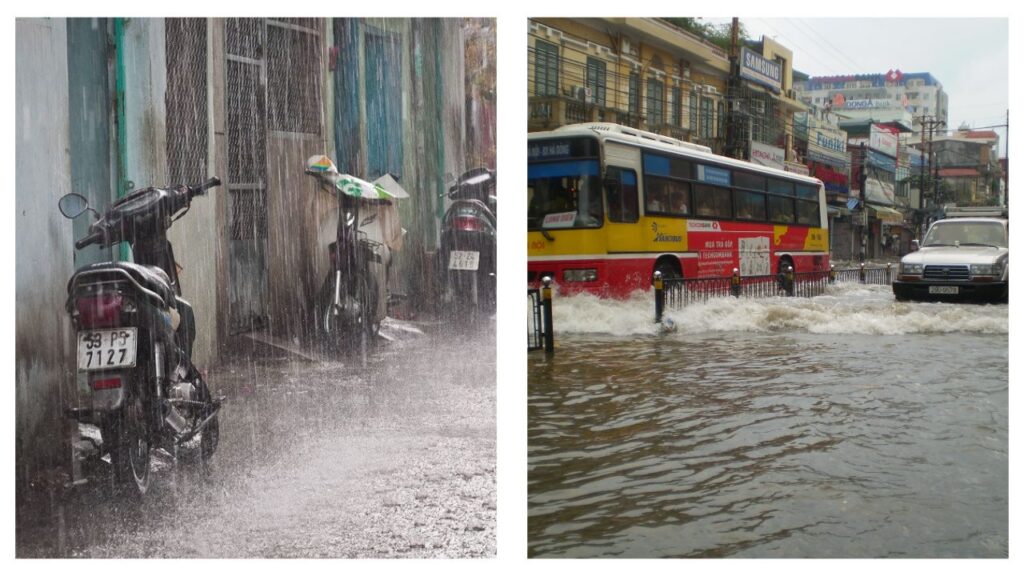
READ MORE: 13 Vietnamese localities ordered to prepare for heavy rain, flooding
Families at risk of falling into deep poverty
The El Niño phenomenon has made the situation much worse for farmers, governments, and consumers as the world is already dealing with higher costs.
The war in Iran has contributed to an energy crisis in Southeast Asia, while fuel and fertilizer costs have increased.
Meanwhile, governments have already been using financial reserves to mitigate the effects of those shocks, leaving them with less room to respond if El Niño causes widespread agricultural losses.
According to Paul Teng of Singapore’s ISEAS-Yusof Ishak Institute, El Niño is another problem being added to an already difficult situation.
The UN food agency expects the effects to be particularly severe in parts of Central America and southern Africa, with significant impacts also anticipated in eastern Africa and South and Southeast Asia.
“When food prices rise, families have to make choices about what they can afford,” said Rafisura.
“Whatever happens to agriculture really determines whether people stay below or just slightly above the poverty line.”
READ NEXT: US, Chinese officials tackle key issues ahead of Xi Jinping-Donald Trump summit
 Bobbie Matias
  Mary Mae Balasanos
  Eugene Nicklaus S. Laqui