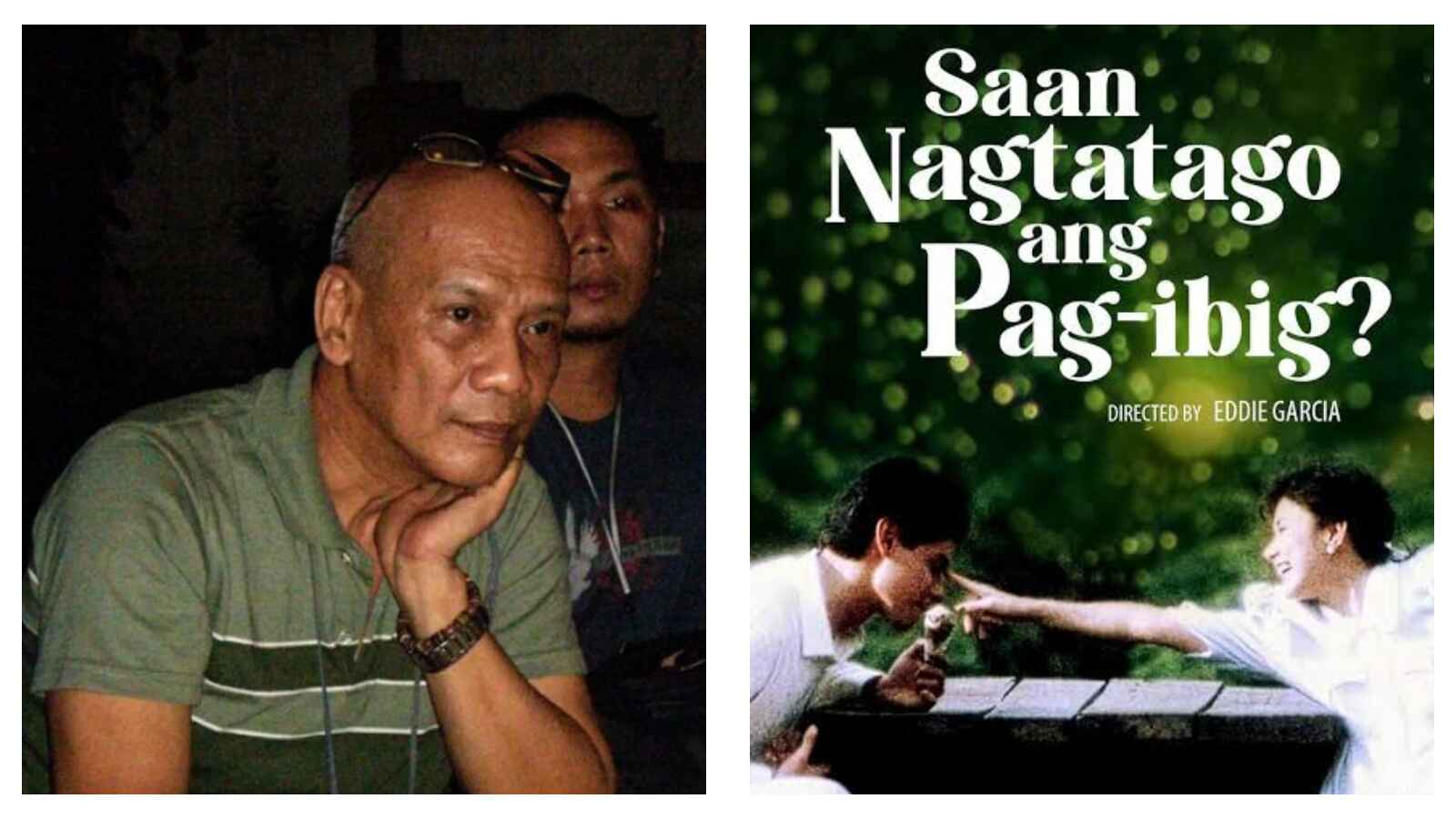
Armando “Bing” Lao has been named a National Artist for Film and Broadcast Arts after being posthumously honoured by President Ferdinand Marcos Jr. through Proclamation No. 1414, signed on September 1, 2026.
Lao, who died in 2024 at the age of 75, is one of 10 Filipinos named National Artists through the 2026 proclamation for their contributions to the country’s cultural life.
Lao in Philippine cinema
Born on September 6, 1948, Lao worked across television and film and wrote screenplays including Takaw Tukso (1986), Itanong Mo sa Buwan (1988), Pila Balde (1999), Tuhog (2001), La Vida Rosa (2001), Serbis (2008) and Kinatay (2009).
Lao received several Gawad Urian awards for his screenwriting work, while Hati Tayo sa Magdamag also won FAMAS awards for Best Story and Best Screenplay. He also received the Film Development Council of the Philippines’ Lifetime Achievement Award in 2024.
“His stories are remarkably mundane everyday Filipino life with distinct tones of playful humor, spiritual social honesty, and philosophical meanings. He is a great mentor and a colleague who respects talent, never condescending,” screenwriter Ralston Jover said in an interview with BusinessWorld.
YOU MAY ALSO LIKE: Afghan cyclist hopes to inspire female compatriots with silver medal at 2026 Asian Games
Lao in the National Artist tradition
Lao becomes the latest addition to the Film and Broadcast Arts roster, following Lamberto Avellana (1976), Gerardo de Leon (1982), Lino Brocka (1997), Ishmael Bernal (2001), Eddie Romero (2003), Fernando Poe Jr. (2006), Manuel Conde (2009), Kidlat Tahimik (2018), and the 2022 honourees Nora Aunor, Marilou Diaz-Abaya and Ricky Lee.
Posthumous benefits
According to Philstar.com, as a posthumous awardee, Lao’s legal heirs are entitled to a cash award of PHP75,000, net of taxes, along with cultural commemorations and ceremonial events honouring his artistic contributions.
The University of the Philippines Diliman described Lao as a cherished mentor of the UP Film Institute, where he served as a lecturer from 2019 to 2022.
It noted that he believed “a writer did not always have to manufacture a story. Sometimes, the story was already there, in a crowded street, a cramped home, a provincial bus, a family struggling to survive.”
READ NEXT: Why El Niño could make everyday food more expensive
 Wendellyn Mateo
 Angelica N. Hall
 Lucia Caporalini