
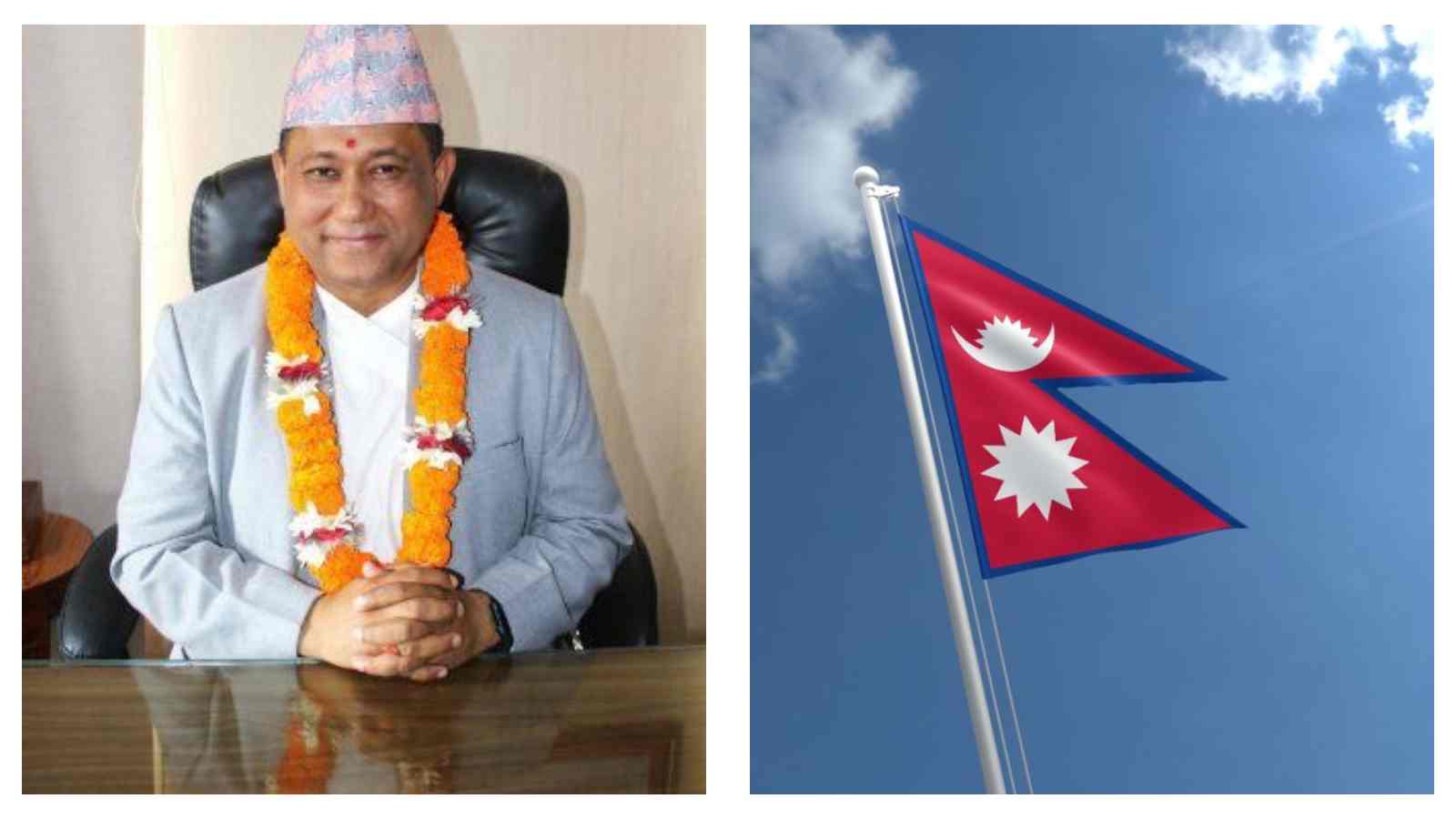
Mountain countries, led by Nepal, Bhutan and Kyrgyzstan, are lamenting the exclusion of mountain-related issues from the formal agenda items of the 31st United Nations Climate Conference (COP31).
Speaking to the media, Nepali Foreign Minister Shisir Khanal said the joint proposal to include the mountain agenda at COP31 failed to secure support from developed nations.
“Different major blocs did not support it, and that made it difficult for the agenda to go through,” he told the Press Trust of India in an interview.
While several developing nations supported the proposal, the lack of backing from developed countries – which constitute the major negotiating blocs – prevented it from being formally tabled at the conference.
Financial constraints
A key concern among the major negotiating blocs is the potential financial burden associated with the mountain nations’ bid.
Wealthier and developed countries fear that giving the Himalayas a separate place on the conference agenda could eventually lead to demands for billions of dollars in additional compensation and climate adaptation funding.
In its pre-COP proposal, Nepal appealed for broader climate finance for vulnerable communities in the Himalayas.
The country asked for the removal of “bureaucratic barriers” that made it nearly impossible for least developed countries to access funds from international climate support channels.
Billions needed to rebuild
“We need resources immediately after disasters to rebuild, to provide relief support,” Khanal reiterated in an interview with Turkey’s Anadolu news agency.
Nepal is currently reeling in the aftermath of the August 26 Bhotekoshi flash floods, which killed at least 1,459 people, left approximately 5,285 missing and inflicted extensive damage on settlements and critical infrastructure in the country.
The Loss and Damage Fund pledged USD21.6 million in reconstruction assistance to Nepal.
However, the amount remains far below the country’s estimated recovery and reconstruction requirements.
“We need about USD5 billion for reconstruction, but we also need further resources for future similar disasters,” Khanal stated.
A voice for the mountains
“At this point, what we really want is the mountain issues to be recognised in the decision-making,” the Nepali foreign minister added.
Nepal, alongside Bhutan, has called on the UN climate body to give greater recognition to the mounting climate risks facing the Himalayan region through a dedicated agenda item.
The proposal, titled “1.5 °C Warming in Mountains”, calls for stronger and unified climate action against the impact of a rising climate in mountain communities.
It particularly highlighted the Hindu Kush Himalaya region, where rising temperatures are continuously threatening glaciers, biodiversity, water resources, food security and the livelihoods of millions.
Kyrgyzstan, on behalf of the Mountain Group, separately submitted a proposal seeking to establish a permanent “Dialogue on Mountains and Climate Change” in future UN climate conferences.
READ NEXT: US seen capable of supplying global ethanol fuel market: study
 Elan Castanares
 Ciara Mina
 Jheruleene Anne Ramos