
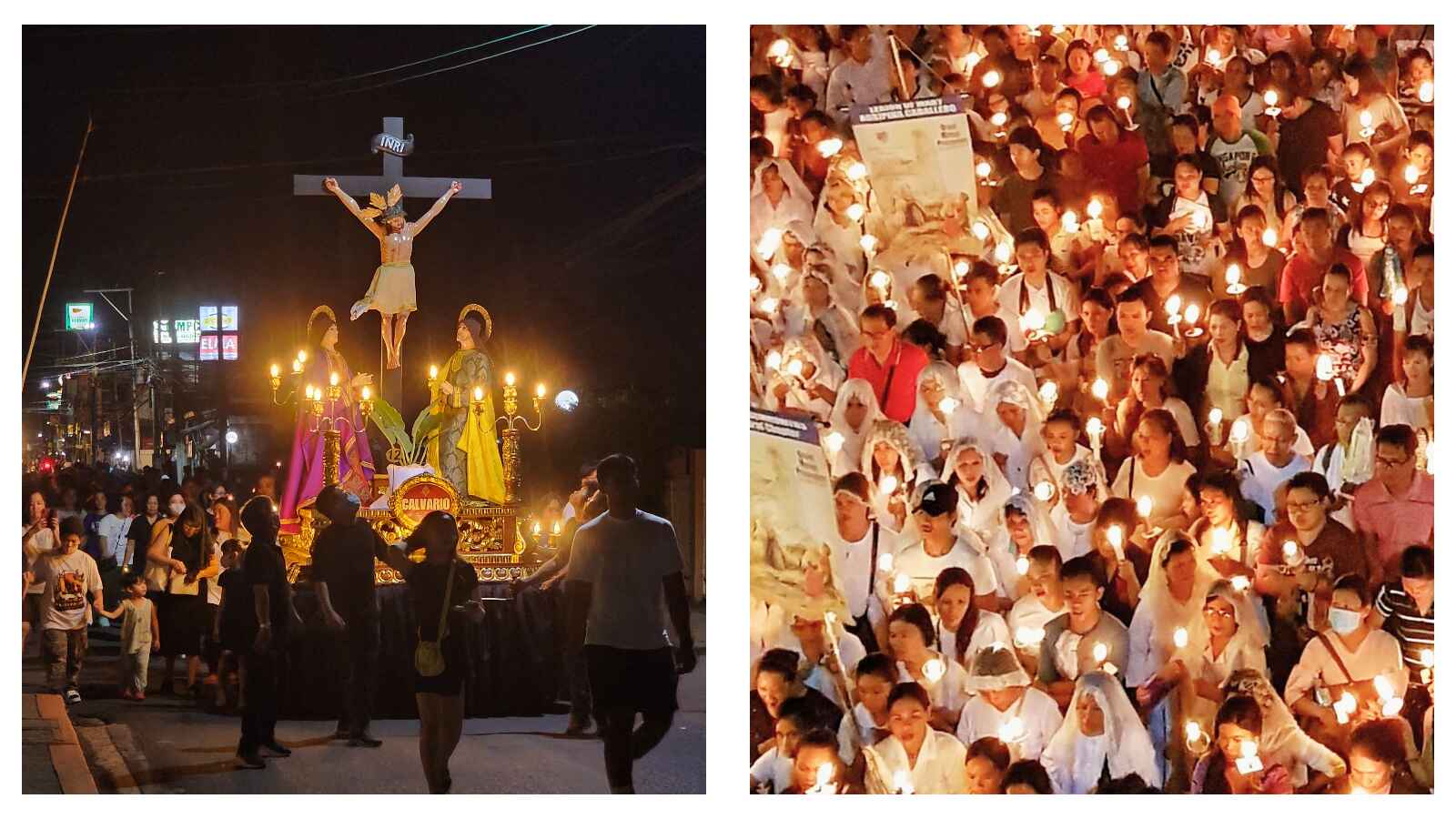
Every year, as the summer heat begins to settle across the archipelago, millions of Filipinos pause from the rush of daily life to observe one of the most sacred periods in the predominantly Catholic nation – Holy Week.
From solemn processions to crowded bus terminals, the observance reveals a powerful blend of faith, tradition, and evolving realities.
Holy Week rituals
Holy Week in the Philippines traces its roots back to more than three centuries of Spanish colonisation, when Catholicism was introduced and gradually woven into the cultural fabric of Filipino life.
Over time, rituals such as Visita Iglesia (visiting seven churches), the chanting of the Pabasa (a continuous recitation of Christ’s passion), and the dramatic Senakulo (reenactment of the Passion of Christ) became enduring traditions passed down through generations.
Today, these practices remain deeply embedded in communities.
In provinces like Pampanga and Bulacan, some devotees even participate in acts of penance, including self-flagellation and crucifixion—expressions of faith that draw both reverence and controversy.
Meanwhile, urban parishes hold processions featuring life-sized religious images, with devotees walking barefoot in quiet reflection.
YOU MAY ALSO LIKE: Economic shocks keep Filipino middle class on the edge of poverty
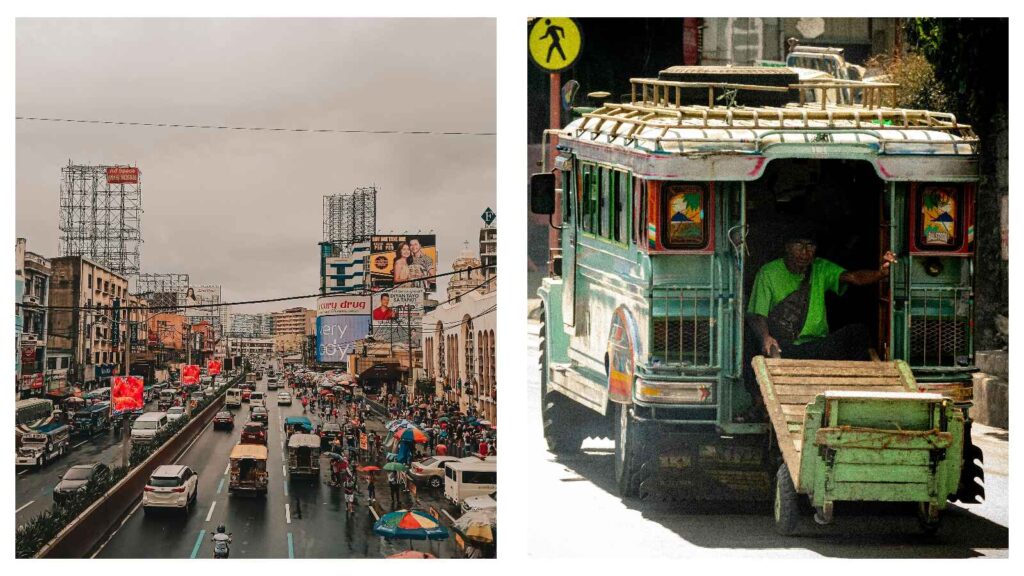
Millions of Filipinos travel
Yet Holy Week is no longer just about stillness and sacrifice – it is also marked by movement. This year, authorities estimate that around three million Filipinos are traveling to their home provinces or vacation destinations despite rising fuel costs.
According to Manila Bulletin, major transport hubs are filled with passengers eager to reunite with family or take advantage of the long break.
To ensure safety, thousands of police officers have been deployed across Metro Manila and key transit points, reflecting the scale of the annual exodus.
Holy Week message
In his 2026 Holy Week message, President Ferdinand Marcos Jr. urged Filipinos to rediscover unity through faith.
Aside from this, he called on citizens to use the solemn occasion as a time to strengthen bonds with one another and work toward national harmony.
“The Passion of Christ reminds us that true greatness is not found in power, but in sacrifice; not in privilege, but in service; and not in comfort, but in the courage to carry the burdens of others,” the leader said, quoted through a government press release.
“For in every act of compassion, every hand extended to those in need, and every sacrifice made for the good of others, we keep alive the spirit of His message,” he added.
READ NEXT: Tensions in the Middle East: ASEAN nations roll out emergency measures
 James Mario Ajero