
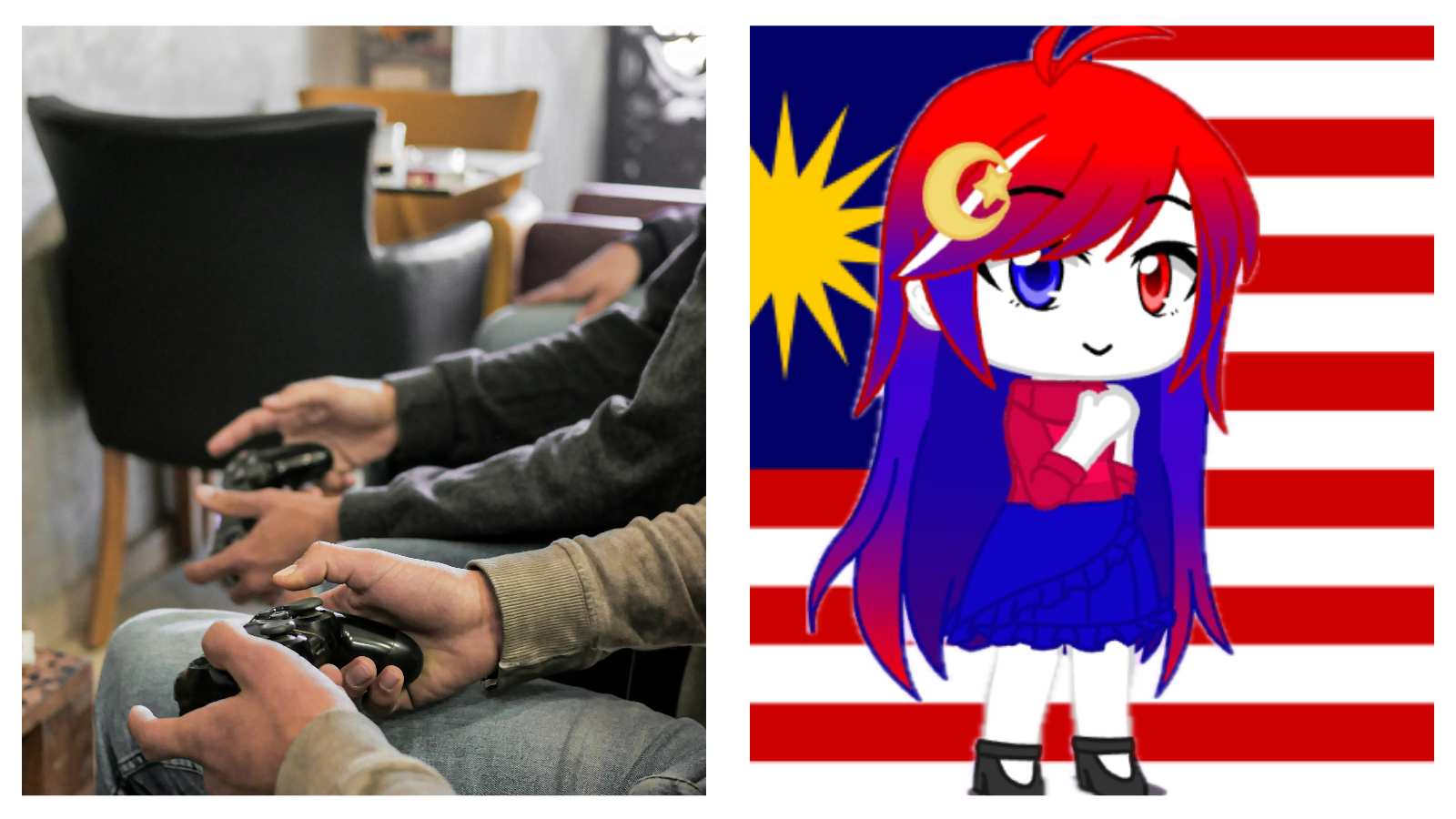
Experts have expressed growing concern over gacha addiction among gamers as the system continues to blur the thin line between gaming and gambling.
While experts acknowledged the appeal of the gacha mechanic, which allows players to spend in-game currency or real money to receive random rewards such as characters or weapons, they warned that it can become addictive, with gamers spending money on items with no real-world value.
Concerns have grown following several reports of gamers being unable to stop themselves from spending hundreds or even thousands of ringgit on such rewards, highlighting the dangers of gacha addiction.
Dangers of small purchases
A 27-year-old Malaysian gamer who wished to be known only as Daniel said he began purchasing rare characters or limited skins with MYR30 or MYR50 top-ups, but did not realise it would become an expensive habit.
“It did not feel like much because every purchase looked small. But after a while, I was spending every month just to keep up with events and limited characters,” he told The Star.
Daniel later admitted that he spent almost MYR12,000 over three years across several popular gacha games and even took out a personal loan after exhausting his savings.
“I knew it was stupid, but at that point, I felt trapped because I had already spent so much money and time. You feel like if you stop now, everything you invested becomes wasted.”
Another gamer, Sarah, also acknowledged the dangers of gacha games, which she described as “online shopping mixed with gambling” because the excitement encourages continued spending.
YOU MAY ALSO LIKE: Death is a new adventure for Kratos’ wife in ‘God of War: Laufey’

Gacha fuels addictive behaviour
Dr Anasuya Jegathevi Jegathesan, Principal Counsellor at Heart Talk Ventures, said games are intentionally designed to trigger addictive behaviour and gacha games are no exception.
She noted that spending in these games increases dopamine levels and provides instant gratification, which can become stronger over time.
“When you buy a pack and get something really good, the emotional ‘hit’ becomes stronger and people keep chasing that feeling,” she said.
Anasuya also attributed rising addiction to gacha games to social and peer pressure, with players feeling compelled to spend money to remain competitive or accepted within the gaming community.
“It is not like gambling alone at a slot machine. Here, you are gambling with a group of people encouraging the addiction.”
Clinical psychologist Dr Kang Jia Yi added that obtaining limited and rare items or characters provides players with a stronger sense of status, self-worth and validation within the gaming world.
Thin line between gaming and gambling
Anasuya warned that the situation highlights how there is “no real difference” between gambling and gacha systems, especially when players repeatedly spend money in hopes of obtaining rare items and rewards.
She noted that rare rewards usually have extremely low drop rates, encouraging players to continue spending money in an attempt to acquire them.
Kang also observed that games that use gacha systems, such as loot boxes, share strong similarities with gambling behaviour as they trigger a cycle that “plays on uncertainty and the possibility of winning or gaining.”
She said the process of making a purchase and taking a chance on obtaining a reward creates an exhilarating feeling that often preys on impulsive and compulsive behaviour, particularly among individuals with poor impulse control.
Calls for responsible gaming, spending limit
Following these concerns, financial experts urged gamers to spend wisely on gacha games and other online games that allow real-money purchases.
Alice Wong, general manager of the Financial Planning Association of Malaysia, advised players to review their game-related spending habits over the past three months before setting limits.
She also said gamers could use the 50/30/20 budgeting framework, under which gaming falls under the “wants” category, to ensure gacha spending does not affect their savings and long-term financial goals.
However, she acknowledged that a strict financial budget may not work for gamers who repeatedly overspend on virtual rewards, emphasising the need to delete or remove the game.
Licensed financial planner Rafiq Hidayat Mohd Ramli shared similar views, stressing the need to delete the game and remove payment methods to curb overexposure.
Collaborative action needed
Aside from these measures, officials emphasised that gamers suffering from gacha addiction need support from their families and communities to overcome the problem and stop overspending.
Malaysia E-sports Federation president Muhammad Naim Al-Amin said relevant authorities must take the necessary steps to enhance digital education, financial literacy and parental awareness to encourage responsible gaming habits.
He also called on the gaming industry to adopt a more transparent approach, including full disclosure of drop rates, spending controls and parental safeguards to protect players, especially younger and more vulnerable users.
This is particularly important as quitting may not be easy, given that gacha systems now play a major role in the gaming ecosystem, especially in mobile gaming, not only in Malaysia but in many other countries as well.
READ NEXT: Tyla and Future to perform ‘Game Time’ at the FIFA World Cup 2026 opening ceremony
 Angelica N. Hall
  Kamille Q. Cabreza
  Geoffrey H. Latayan