
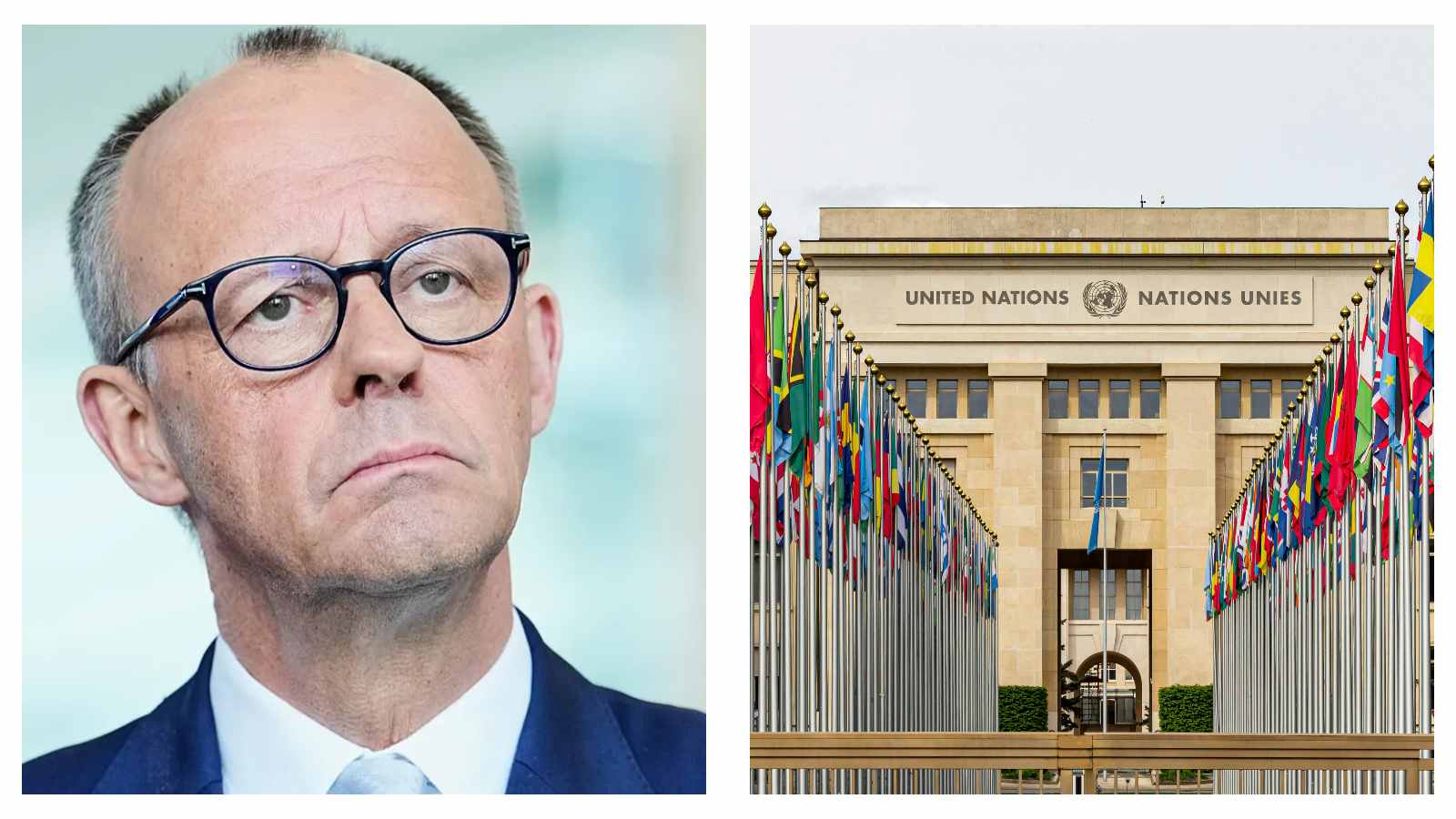
Germany has suffered a foreign policy setback after failing to secure a temporary seat on the United Nations Security Council (UNSC) for the 2027-2028 term.
In a secret ballot held on June 3, the UN General Assembly (UNGA) selected Portugal and Austria as the Western Europe and Others group representative.
Germany secured only 104 votes, falling well short of the required two-thirds majority of 127, whilst Portugal and Austria gained 134 and 131 votes respectively.
Budget cuts, late campaign
Deutsche Welle reported that multiple domestic and international factors contributed to the surprise defeat.
A central criticism focused on Berlin’s recent decision to make massive cuts to development co-operation for the fifth consecutive time.
Non-governmental organisations and opposition parties argued that scaling back financial assistance severely alienated developing nations, particularly in the Global South, whose backing was vital.
Furthermore, analysts pointed out that Germany mounted a hesitant and belated campaign compared to its rivals.
Whilst Austria and Portugal spent over a decade lobbying with a consistent government presence in New York, German Chancellor Friedrich Merz notably chose not to attend the UNGA the previous year, leaving the campaign to Foreign Minister Johann Wadephul.
YOU MAY ALSO LIKE: UN General Assembly elects new Security Council members
Perception of double standards
Geopolitical stances also heavily impacted the vote.
Accusations of hypocrisy plagued Berlin’s campaign, with critics claiming the government failed to consistently defend international law.
Deutsche Welle highlighted that the Social Democratic Party of Germany and opposition groups accused the administration of applying double standards, particularly by remaining silent on contentious actions by the United States whilst trying to project themselves as guardians of a rules-based order.
This perceived inconsistency severely damaged Germany’s international credibility.
Middle East, Russian friction
Germany’s rigid geopolitical alignments further cost it vital votes.
Foreign Minister Wadephul admitted that Germany’s historic responsibility toward Israel, which translated into a refusal to back sanctions despite growing global criticism of the conflict in Gaza, alienated numerous member states.
Concurrently, Russia mounted a lobbying campaign explicitly designed to block Berlin’s bid.
Moscow targeted Germany due to its position as a leading financial and military supporter of Ukraine.
Government sources later revealed to Deutsche Welle that whilst many nations had promised to support Berlin, they ultimately broke their pledges under the cover of the secret ballot.
READ NEXT: Envoy recalled, import cuts as Armenia-Russia relations face ‘transformation phase’
 Angelica N. Hall
  Kamille Q. Cabreza
  Geoffrey H. Latayan