
By Emily Hodson
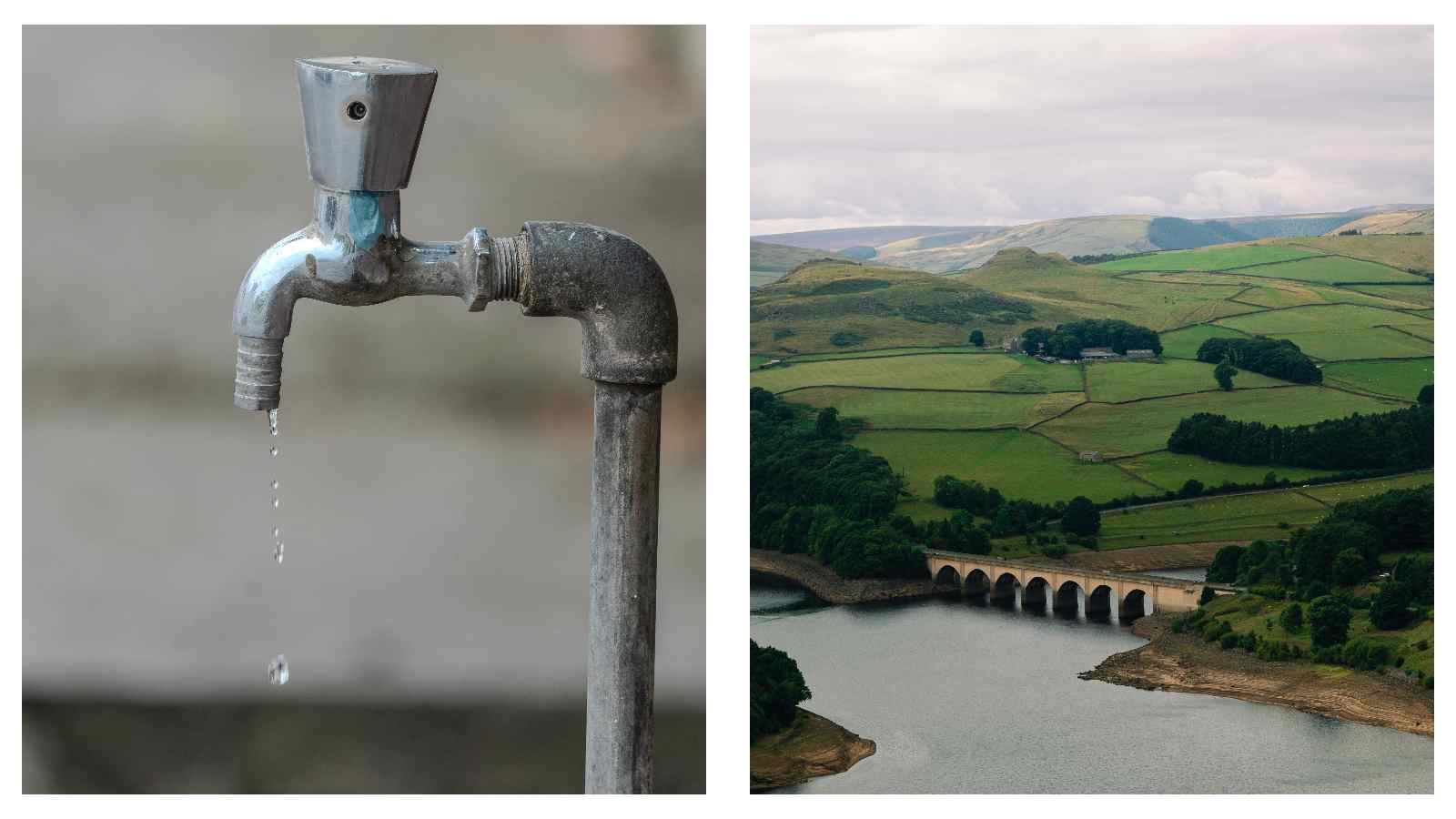
The Met Office has announced that July 2026 was the driest on record for England and Wales. The message is clear: droughts and water shortages, once considered dystopian fiction for Britain, are becoming a reality.
The question is no longer whether climate change is affecting the UK. It is whether we are prepared for what comes next.
Britain is drying up
At the end of July 2026, the Environment Agency declared half of England to be in an official drought.
Levels of rainfall have fallen considerably. In July, England only experienced 7% of its average rainfall. Southern England received just 1%.
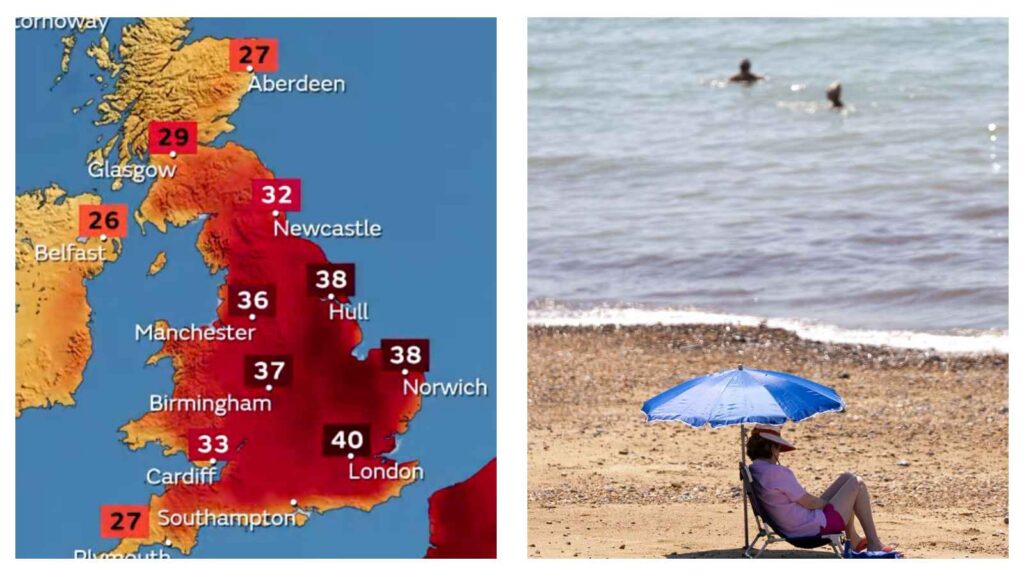
Simultaneously, England’s average temperature in July reached 19.6°C. Alarmingly, this was 3.6°C above the 1961–1990 average.
This combination of minimal rainfall and severe heat put great strain on Britain’s natural water reserves. Water stored in vegetation, rivers and soil began evaporating at a much greater rate.
As reservoir levels and river flows decreased, more than 20 million people were put under hosepipe bans.
This was no ordinary drought. It exposed how vulnerable Britain’s water systems are in the face of a rapidly changing climate.
YOU MAY ALSO LIKE: UK Heatwave: 5/1 chance of all-time hottest temperature
Climate whiplash
The issue is not only that Britain is getting warmer, but that its weather is becoming more unpredictable.
In January and February this year, weather conditions were much wetter. As a result, groundwater and reservoirs could recover following past dry periods.
The sudden shift from this to severe droughts is what experts are calling “climate whiplash”.
Britain’s water reserves were built to accommodate more predictable rainfall patterns. As the weather becomes more erratic, our natural reserves have less time to replenish before dry and hot weather returns.
Consequently, the effects of extreme heat are felt months later, causing a cycle of water shortage.
Underinvestment: are Britain’s systems outdated?
Researchers from the independent Water Commission argued that there has been a severe underinvestment in water infrastructure. As our systems become aged and outdated, pipes have begun to leak.
Greenpeace UK’s research in July 2026 found that 2.87bn litres of water leaks from pipes in England and Wales.
As a result, valuable water is failing to reach towns and cities.
Is privatisation to blame?
Critics argue that the privatisation of the UK water industry in the 1980s caused our water infrastructure to be neglected.
As companies faced pressure to prioritise shareholders’ dividends, the quality of our water network was not maintained.
Water regulators such as Ofwat are encouraging the public to use less water.
Despite this, solely decreasing water demand will not solve the issue.
Can we store water?
How much water Britain can store has also come under scrutiny.
The last major reservoir was completed in 1992 in Derbyshire. This means that three decades have passed without significant new storage infrastructure.
While a new reservoir is set to be completed in 2029 within Hampshire, scrutiny remains as to whether this response is quick enough.
As the population increases, and climate change intensifies, sustaining a reliable water supply could be a difficult task.
Will Britain adapt?
A water crisis is not inescapable. But preventing one will require major changes in how Britain handles its most crucial resource.
One of the clearest solutions is investing in greater water storage capacity. By capturing water in wetter seasons, our natural reserves will feel less pressure in periods of drought.
However, transforming infrastructure alone will not be enough.
Researchers from Greenpeace are stressing the importance of soil health and renewing natural landscapes. If land can absorb greater amounts of water, more of it can be stored to reduce the impact of droughts.
Our water shapes the quality of our food production, businesses’ functions and public health. Therefore, these changes must happen before a new dry spell returns.
A nation once defined by rainfall is being forced to adapt to a drier and more volatile future.
READ NEXT: AC use becomes heated topic in France amid historic inferno
 Angelica N. Hall
  Levi Mora
  Wendellyn Mateo