
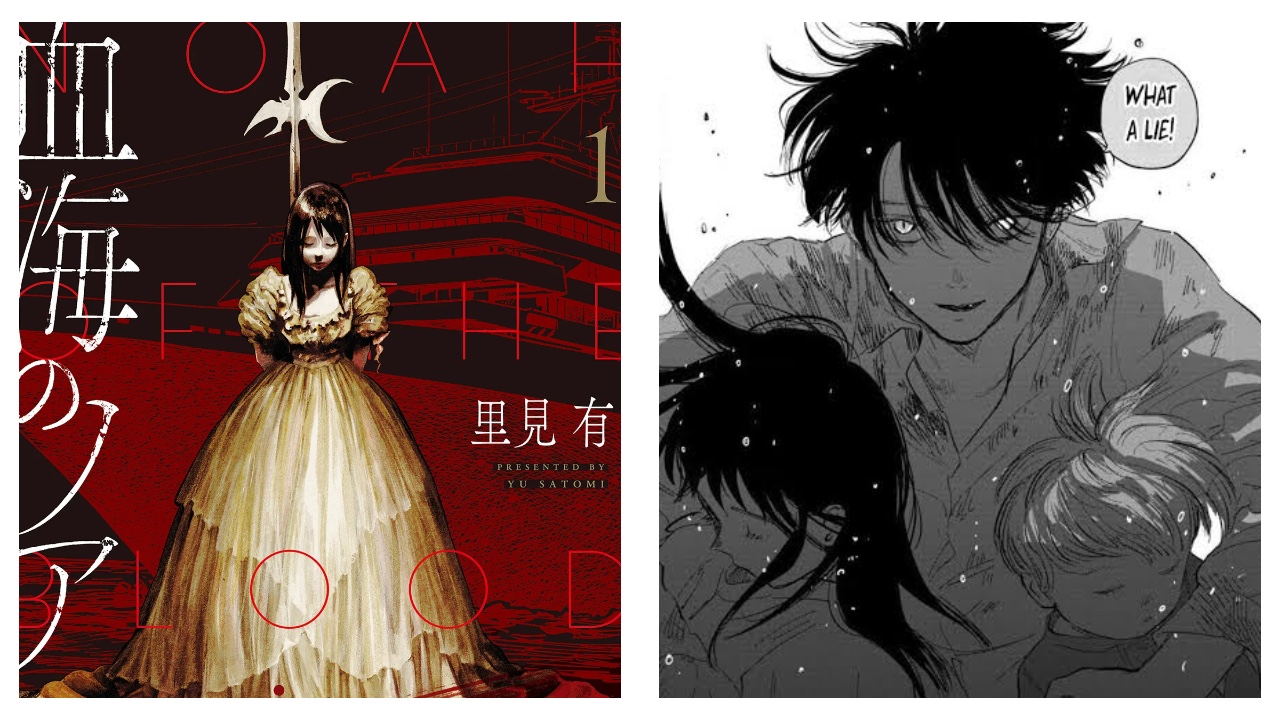
Tyrus Pictures is bringing audiences to a new hellish voyage in the film adaptation of the Japanese horror manga Noah of the Blood Sea.
Originally published in 2019 by Tokyo-based independent house Takeshobo, the Japanese comic book – also called manga – pulled in readers of the macabre with a compelling premise, utilising supernatural horror and psychological suspense to narrate a story about survival in the open seas.
It has sprawled five volumes, and is now ready to take on a more ambitious journey to the large screens of Hollywood.
Supernatural expedition into the open seas
A picturesque trip aboard a luxury cruise ship: What could possibly go wrong?
In Yu Satomi’s Noah of the Blood Sea, well, everything.
When passengers start disappearing, what is supposed to be a pleasant journey becomes a fight for survival.
Tyrus Pictures confirmed to Deadline it has optioned the rights of the manga for a feature film adaptation, which will be produced by Michael Zelman and Hamid Mokhneche.
No writer or director has been attached to the project as of writing, but the company will be aiming to start production in 2027.
The manga was praised for its “extraordinary cinematic potential” by Mokhneche.
“The combination of a luxury cruise ship, an unnerving atmosphere and a distinctive supernatural mythology creates the foundation for a compelling horror film,” he said.
“We’re excited to work with Takeshobo to bring Yu Satomi’s vision to the screen while staying true to what makes the original manga so distinctive.”
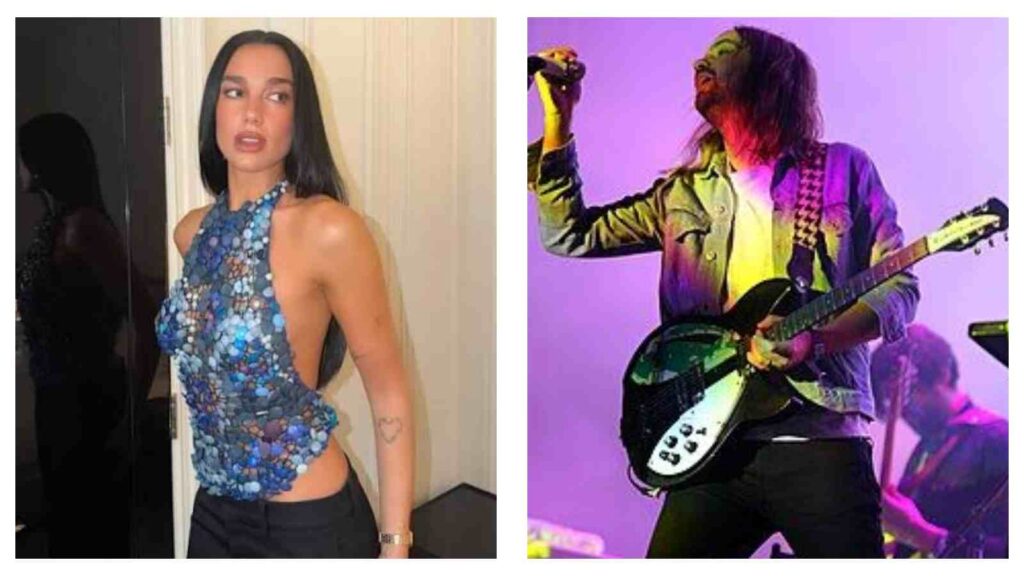
READ MORE: Coachella reveals 2027 headliners – Dua Lipa, Tame Impala and SZA
Preserving the manga’s uniqueness
Deputy General Manager of Takeshobo Atsushi Kimura said the project has triggered excitement in the publishing house and even from writer Yu, who will be keen to see how the visual style of the manga will be interpreted for the big screens.
“From our earliest conversations with Hamid, we were impressed by his understanding of the original work and his commitment to preserving what makes it unique,” said Shin Ogasawara, Deputy Corporate Officer at Takeshobo.
Noah of the Blood Sea has also garnered international attention, with translated editions released in Germany, Italy, France, Spain, Brazil, South Korea and Thailand.
The manga is currently being translated in Taiwanese, while there are plans to release an English-language edition for North America.
“We’ve long wanted to develop a project rooted in Japanese horror, and Noah of the Blood Sea represents exactly the kind of distinctive storytelling we’ve been looking for,” Zelman said.
MORE ENTERTAINMENT NEWS: TV news: ‘I’m a Celebrity…Get Me Out Of Here!’ 2026 line-up confirmed

Japanese horror mangas take centre stage
Japan has already established itself in the horror genre globally, birthing film classics like Ringu (1998), Ju-On: The Grudge (2002), and Pulse (2001).
It’s no wonder that fame is being extended to Japanese literature and art.
Earlier this year, Japan’s Toei, Thailand’s M Studio and South Korea’s Showbox revealed they will be jointly producing a live-action movie of The Long Hair In The Attic, based on the Japanese manga from prominent horror manga artist Junji Ito, according to Screen Daily.
First published in 1988, the story revolves around a young woman obsessed with her long hair, and whose broken heart twists the narrative into a supernatural road to revenge.
Ito is widely-known in Japan, and even beyond, for his works like “Tomie” and “Uzumaki,” which have also been made into films.
His approach to the uncanny, the weird and the horrible earned him multiple Eisner Awards — considered among the prestigious awards in the comic book industry.
The Long Hair in the Attic was already made into an animated retelling for Netflix’s 2023 anthology series Junji Ito Maniac: Japanese Tales of the Macabre as well as a live-action theatrical adaptation back in 2000.
Junji Ito’s Bloodsucking Darkness is also currently in development as a film, backed by Fangoria Studios with The Haunting of Hill House writer Jeff Howard attached to help develop the project.
Whether it’s about a nightmare trip or a heartbroken girl with long hair, Japanese horror artists know how to turn the mundane into something otherworldly — albeit spine-chilling and definitely terrifying.
READ NEXT: Film news: James Gunn, Peter Safran exit DC Studio; Jeremy Latcham in
 Elan Castanares
 Ciara Mina
 Jheruleene Anne Ramos