
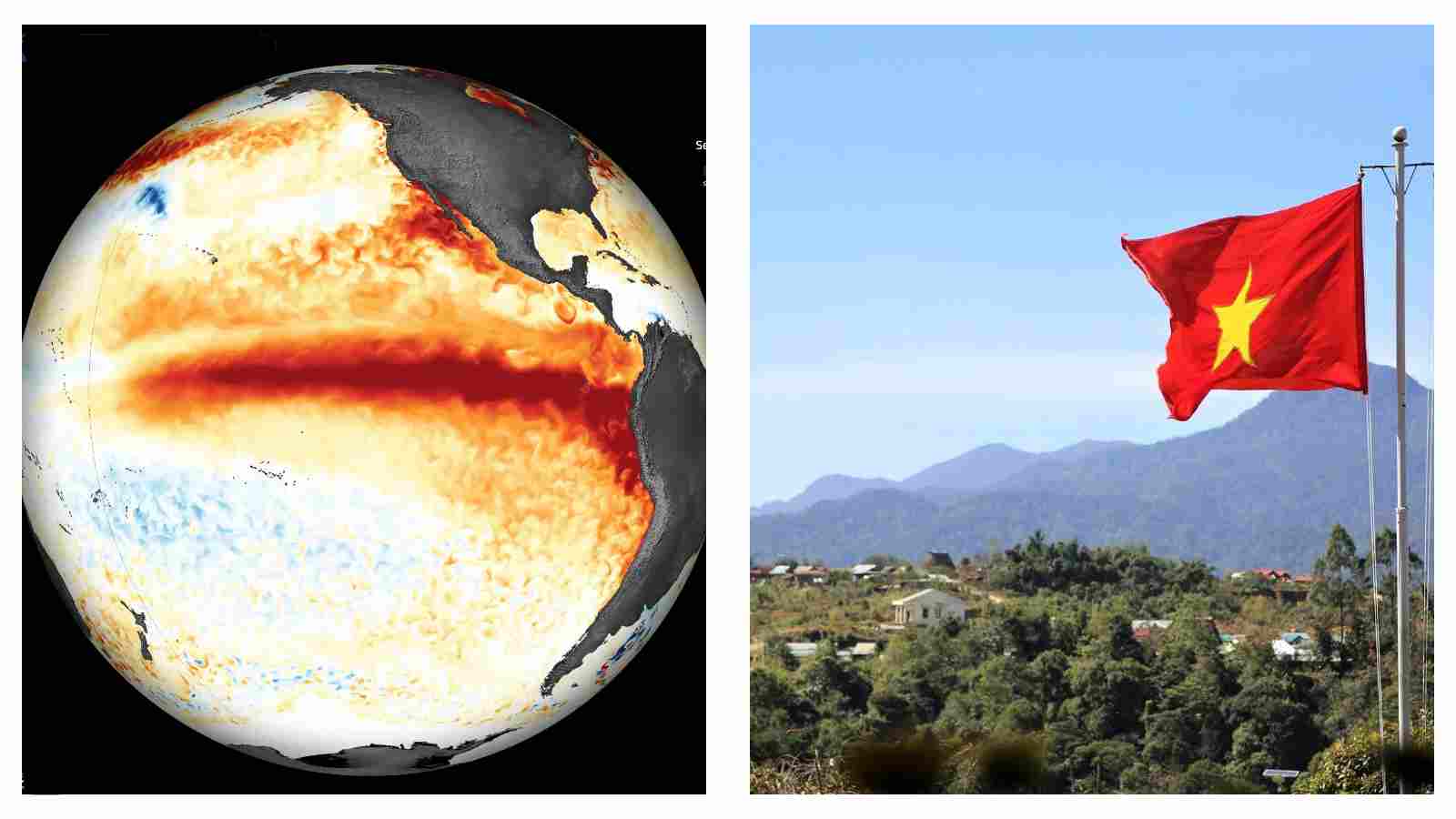
Vietnam’s National Center for Hydrometeorological Forecasting (NCHMF) has said that the most concerning impacts of El Niño in the Southeast Asian country are the increasing risks of drought, saltwater intrusion, and water shortages.
According to climate forecasts, from October to December 2026, El Niño is highly likely to remain very strong and could reach its peak during this period.
From January to March 2027, El Niño is still projected to remain very strong, but its probability and intensity are expected to gradually decline after this period.
However, meteorologists have not ruled out the possibility that it could continue into the first half of summer 2027.
Impacts vary by region
The NCHMF noted that the severity of the impacts of El Niño in Vietnam vary depending on the region, timing, and crops being cultivated.
According to local daily Vietnam News, in the Central Highlands, about 735,300 hectares of coffee, pepper, and other perennial crops are outside irrigation systems, and only 17-19% of the region is considered secure in terms of water supply.
Water shortage in the region is expected to intensify toward the end of 2026 and peak in early 2027.
In the southeastern region, the Dong Nai River basin faces greater dry-season pressure than any other basin in Vietnam.
Upstream reservoirs alone provide 91% of urban water supplies, potentially putting about 26 million people at risk if river flows decline and saltwater moves inland.
The Mekong Delta is also highly vulnerable despite having Vietnam’s largest water reserves.
Some 87.3% of its urban water supply is taken directly from rivers without regulating infrastructure, leaving the region exposed if flows fall by 40-60% and saltwater advances up to 70 kilometers inland.
The Mekong River’s flow into Vietnam is forecast to remain below average through the rest of 2026, with a projected shortfall of about 30% between January and May 2027.
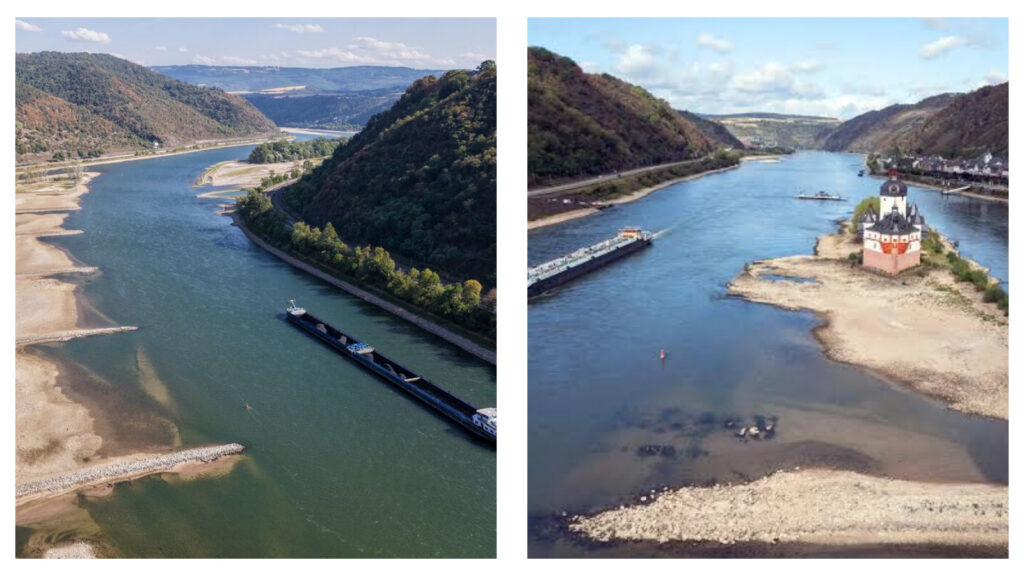
YOU MAY ALSO LIKE: Rhine River hits new record low as industries struggle to remain afloat
Fewer storms in 2026
The number of tropical depressions and storms in the South China Sea, called the East Sea in Vietnam, for the remainder of the year is forecast to be below the long-term average due to the influence of El Niño.
But meteorologists warn that powerful storms causing heavy rains, flooding, flash floods, and landslides could still develop, as higher temperatures actually intensify rainfall because warmer air holds more moisture, online newspaper VietNamNet Global reported.
READ NEXT: Antoinette Jadaone’s ‘Sunshine’ to be adapted into immersive stage play
 Elan Castanares
 Ciara Mina
 Jheruleene Anne Ramos