
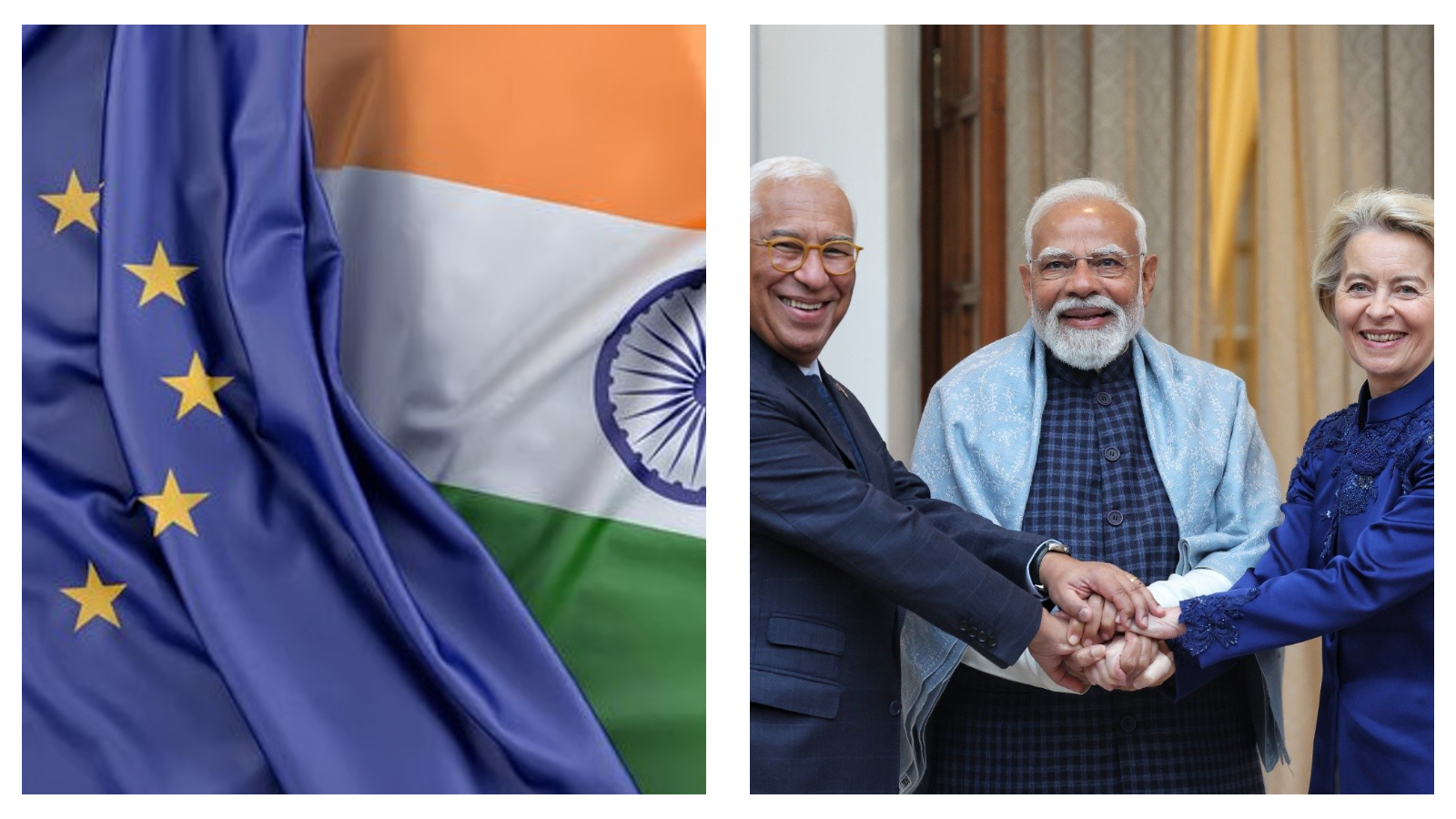
The European Union (EU) and India have negotiated a historic free trade agreement (FTA) after nearly two decades of on-and-off negotiations.
The landmark deal aims to strengthen the economic and political ties between the 27-nation bloc and the fourth-largest economy in the world, amid constant geopolitical pressure from the US.
According to Indian officials, the agreement is expected to be formally signed later this year, with full implementation planned for early 2027.
‘The mother of all deals’
European Commission President Ursula von der Leyen and European Council head António Costa arrived in Delhi to participate in a bilateral summit with India’s Prime Minister Narendra Modi.
“We have concluded the mother of all deals. We have created a free trade zone of two billion people, with both sides set to benefit,” von der Leyen said.
She believes the groundbreaking economic partnership sends a signal that “rules-based cooperation still delivers great outcomes,” hinting at US President Donald Trump’s disruptive “America First” foreign policy that relies on imposing high tariffs and starting trade wars.
Modi also hailed the deal as India’s largest trade agreement, saying it will unlock major opportunities for the country’s 1.4 billion people and for the millions living in Europe.
“It will make access to European markets easier for India’s farmers and small businesses,” he said.
Modi added that the strategic alliance will not only boost the manufacturing and services sector but will also further strengthen the innovative partnerships with his country.
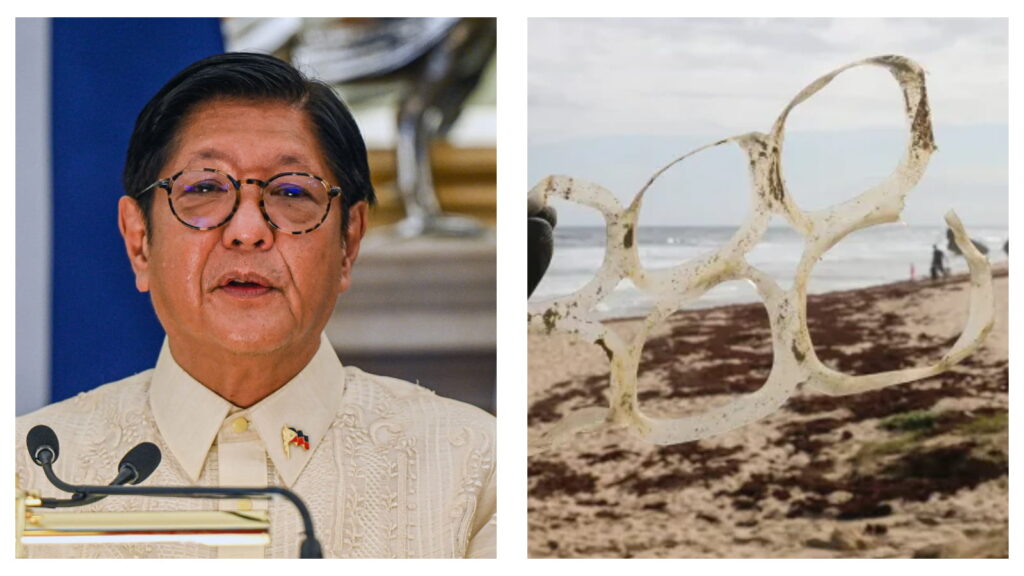
READ MORE: Philippines explores nuclear technology to tackle plastic pollution
What does the deal cover, and what is left out?
According to a European Commission press release, the FTA is expected to double EU goods exports to India by 2032, which currently sits at €180 billion and supports around 800,000 jobs.
The deal also provides for eliminating or reducing the tariffs on 96.6% of EU exports to the country, saving €4 billion per year on duties.
Reciprocally, India will offer tariff reductions that none of its other partners enjoy – namely on cars, from 110% to just 10%.
The duties imposed on car parts, machinery, chemicals and pharmaceuticals are expected to be abolished within five to ten years.
“Under this agreement, European wines, spirits, beers, olive oil, confectionery, and other products will enjoy preferential access to the rapidly growing Indian market,” said Christophe Hansen, EU’s Commissioner for Agriculture and Food.
He explained that sensitive products such as beef, sugar, ethanol, rice and poultry are excluded from liberalisation and will remain under tariffs, confirming that all imports from India will continue to be subject to the EU’s robust health and food safety regulations.
“Front and centre to these negotiations was maximising new opportunities for our unmatched European products, while protecting European farmers,” Hansen concluded.
In addition, the FTA also allows for privileged access to India’s services market, a higher level of Intellectual Property (IP) rights protection and enhanced sustainability commitments.
According to the press release, the EU will help India reduce its greenhouse gas emissions and transform its industry by financing the country’s efforts with €500 million over a period of two years.
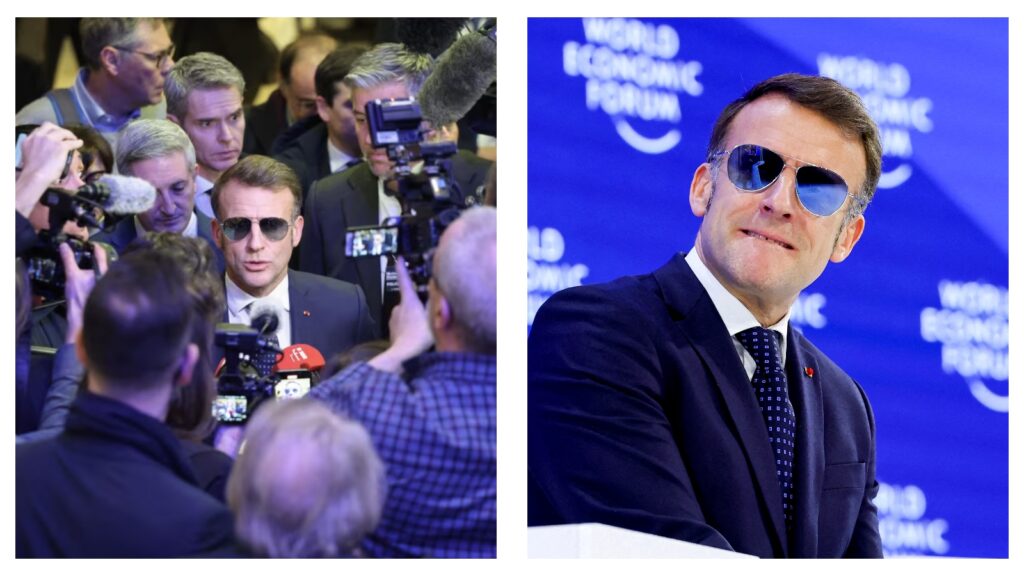
YOU MAY ALSO LIKE: French President Emmanuel Macron’s shades and ‘for sure’ speech at Davos go viral
Industry leaders welcome the deal
Once the agreement was announced, the industry leader praised the efforts of the two parties, describing the deal as a tangible step towards new opportunities and a significant shift from protracted negotiations to concrete action.
“We don’t know how much we will benefit, but of course it’s extremely positive, and it’s a good sign, and it’s a very positive direction of moving in something tangible,” said Lars Eric Johansson, Executive VP – Industrial Relations at Oxea GmbH.
Similar thoughts were shared by the Managing Director of Krones Machinery India, Thomas Wolter, and the Director General of the Indo-German Chamber of Commerce, Jan Noether.
“The India-EU FTA is poised to unlock substantial untapped trade and investment opportunities, enabling deeper market access, stronger value-chain integration, and enhanced export competitiveness across manufacturing and high-value sectors,” concluded the President of the Federation of Indian Chambers of Commerce and Industry (FICCI), Anant Goenka.
READ NEXT: Jennette McCurdy’s novel ‘Half His Age’ sparks early praise and debate
 Carmela Calling
  James Mario Ajero