
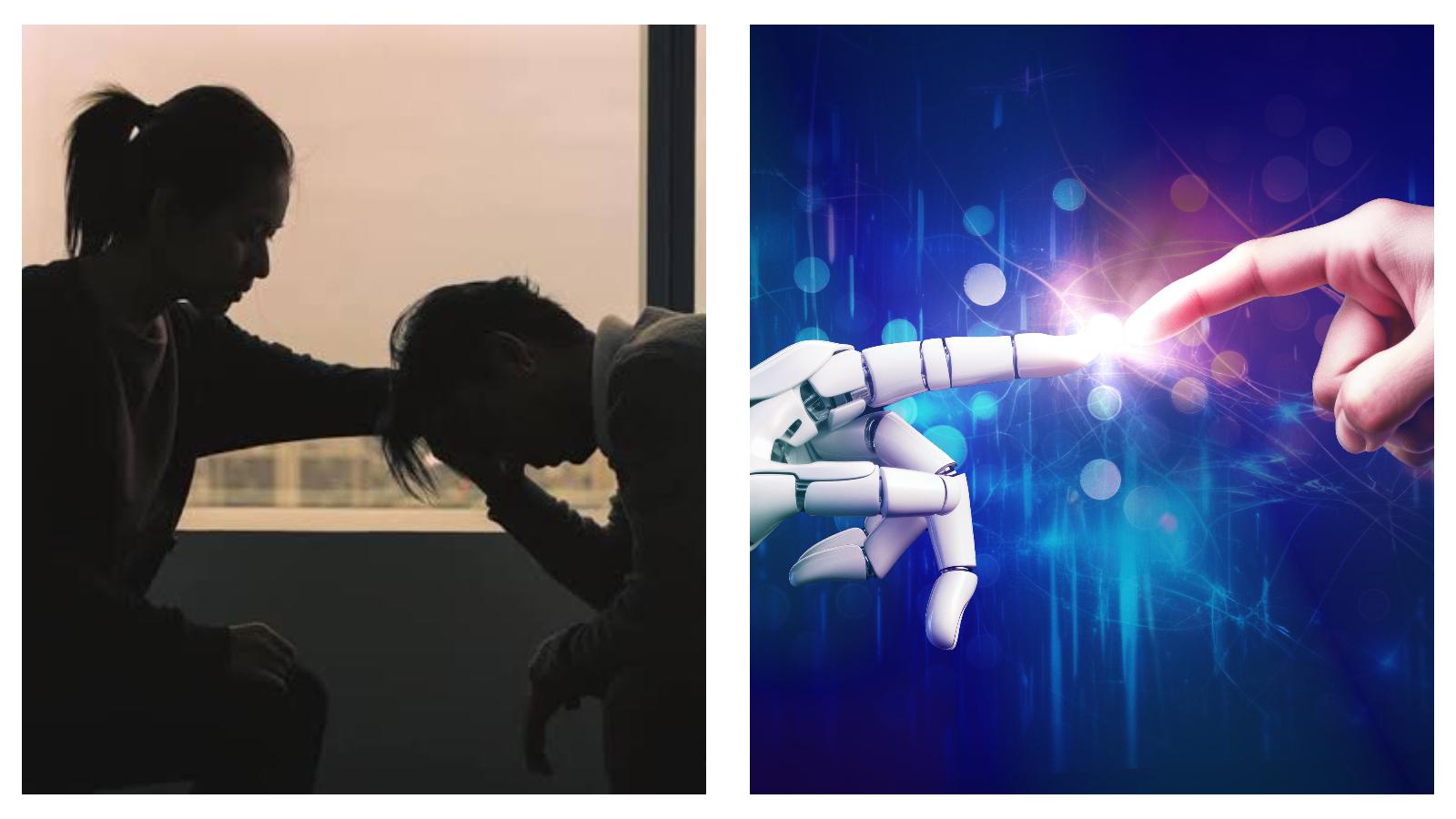
More Filipinos are turning to artificial intelligence (AI) for support amid growing mental health problems, exposing persistent gaps in the country’s mental healthcare system, a recent study showed.
According to the AXA Philippines’ 2026 Mind Health Report, conducted with IPSOS in June, 72 per cent of Filipino youth experience feelings of loneliness and sadness, the Daily Tribune reported.
The report noted that around 31 per cent of respondents are classified as “languishing,” or the absence of positive well-being, with financial difficulties and social pressures contributing to their stress.
The findings also showed that Filipino youth spend an average of 7.5 hours a day on screens, with 98 per cent believing screen use negatively affects their daily lives.
AI chatbots for comfort
The study also found that 29 per cent of Filipinos use AI for mental health support, higher than the global average of 21 per cent, Backend News reported.
It added that AI use for mental health management is most common among individuals aged 18 to 34, as well as those already experiencing mental health problems.
The report further noted that many users rely on AI chatbots, such as OpenAI’s ChatGPT, for emotional support because they are anonymous and available 24 hours a day.
This has proven true for Hannah, an office worker from Bulacan, who regularly uses ChatGPT for advice and shares her problems with it instead of talking to her friends.
“ChatGPT always offers comforting words without judgement,” she said, adding that turning to chatbots gives her a sense of privacy with just one prompt.
She added that using ChatGPT is more convenient because it is available anytime, unlike traditional mental health services that often require appointments, time and money.
Exposing greater mental healthcare gaps
However, reliance on chatbots reflects more than a search for comfort – it also highlights persistent gaps in the country’s mental healthcare system, despite the passage of Republic Act No. 11036, or the Mental Health Act of 2018, which aims to decentralise mental health services.
Professional mental healthcare in the Philippines can be expensive, while many mental health services remain inaccessible to much of the population, BusinessWorld reported.
Additionally, the number of mental health professionals in the country remains limited, with only 651 psychiatrists, 516 psychiatric nurses and 133 psychologists nationwide, according to data from the Philippine Psychiatric Association.
Meanwhile, the World Health Organisation said the Philippines has only one psychiatrist, one psychiatric nurse and one psychologist for every one million people, underscoring the country’s limited access to mental healthcare.
READ ALSO: Manila slams Beijing over arrest of over 100 Filipinos

AI can’t replace health professionals
As a result of these gaps, AI expert Don Masakayan said many Filipinos now view AI as an alternative to mental health professionals.
“Therapy is expensive, hard to schedule, and often intimidating to approach, while ChatGPT is always available at the click of a button. That gap in accessibility creates the illusion that AI is enough,” he told Rappler.
However, experts emphasised that while AI chatbots can be helpful support tools, they can never replace qualified mental health professionals because they are not licensed therapists.
AI chatbots cannot diagnose mental health conditions, provide professional treatment or fully understand an individual’s circumstances.
Their responses are also generated based on patterns in data, meaning they can sometimes provide inaccurate or inappropriate advice.
In fact, around 33 per cent of Filipinos said they felt uneasy after receiving AI-generated advice, while 25 per cent reported receiving suggestions that led to harmful behaviour, underscoring the limits and potential dangers of overreliance on AI chatbots.
Structural reforms needed
In response to these challenges, AXA Philippines President and Chief Executive Officer Ayman Kan urged authorities to take the necessary steps to further improve mental health services nationwide.
“We need to make it easier for people to seek help early and nurture communities where mental wellbeing is treated as a shared responsibility,” he said in a statement.
Meanwhile, Steph Naval, founder and chief executive officer of mental health service provider Empath PH, called for a thorough evaluation and regulation of AI models used for mental health purposes.
Experts hope these measures will help bridge the widening gap between the growing demand for mental healthcare and access to support services while encouraging the responsible and cautious use of AI.
READ NEXT: Apple developing photo verification tool for iOS 27
 Ian Trinidad
  Eugene Nicklaus S. Laqui
  Newsjustnews writers