
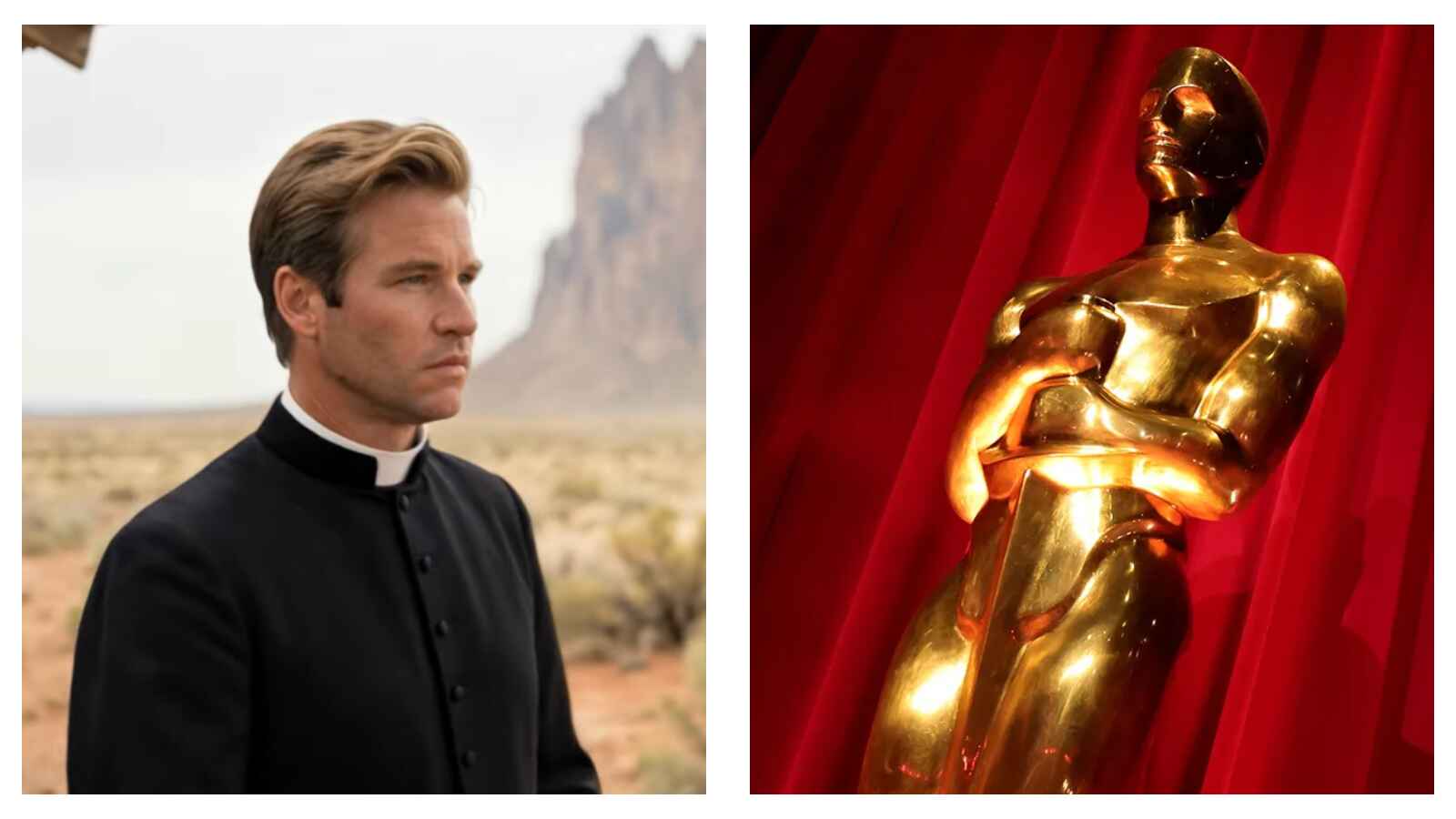
The Academy of Motion Picture Arts and Sciences recently announced that actors created with artificial intelligence (AI) will not be eligible for an Oscar, signalling a crackdown on AI use in the film industry.
In a statement to NPR, the Academy said the changes are in response to listening to the global filmmaking community and addressing barriers to entry in its eligibility process.
New rules on AI
The Academy added that its rules and eligibility criteria have always evolved alongside technologies such as sound, colour and CGI, and that AI is no different.
Award rules and guidelines are reviewed and refined every year.
New rules include a requirement that only real, live human performers – and not their AI avatars – are eligible for the Oscars, and screenplays must have been written by a person rather than an AI model.
“In the Acting category, only roles credited in the film’s legal billing and demonstrably performed by humans with their consent will be considered eligible,” the Academy said.
“In the Writing categories, the rules codify that screenplays must be human-authored to be eligible.”
The Academy also stated it reserves the right to investigate the use of generative AI in any submission.
In other words, AI actors such as the controversial Tilly Norwood are ineligible for an Oscar.
In March, Norwood commented “Can’t wait to go to the Oscars!” in an Instagram post debuting the AI actress’s first music video.
YOU MAY ALSO LIKE: Meta sacks Kenyan firm in AI smart glasses privacy row
Using actors’ likeness in film productions
The announcement follows an AI version of the late actor Val Kilmer being unveiled during a trailer of “As Deep as the Grave” – a film that he had signed to star in several years ago but was unable to make it onto set due to poor health.
A trailer from the movie, released in April, showed Kilmer in the role of Father Fintan, a Catholic priest and Native American spiritualist.
“Don’t fear the dead. And don’t fear me,” Kilmer’s likeness says in the trailer.
The trailer drew criticism on social media, with some commenters calling it “terrifying” and “disgusting”.
“It’s called REST IN PEACE for a reason,” one said.
Using AI ethically in film?
However, the project was created with the enthusiastic support of the actor’s family, who granted access to Kilmer’s video archives which were used to recreate the actor at multiple stages of his life.
The makers of the film defended their work, saying their approach demonstrated an ethical path to future use of the technology in Hollywood.
Brothers Coerte and John Voorhees, the makers of the film, said they hoped to show Hollywood how to use AI technology in a positive way, as many creatives are worried about unauthorised uses of their likeness in the industry.
The Voorhees brothers said they had followed all guidelines on AI use set forth by the SAG-AFTRA actors union.
“We’re making a bold claim, [a] bold statement, which is that we believe we’re doing this in an ethical way,” John Voorhees said.
He said that not only had Kilmer’s estate given consent, but that the family had collaborated artistically “in every possible way”.
READ NEXT: Film news: Long-awaited sequel “The Devil Wears Prada 2” hits cinemas
 Elan Castanares
  Newsjustnews writers
  Mary Mae Balasanos