
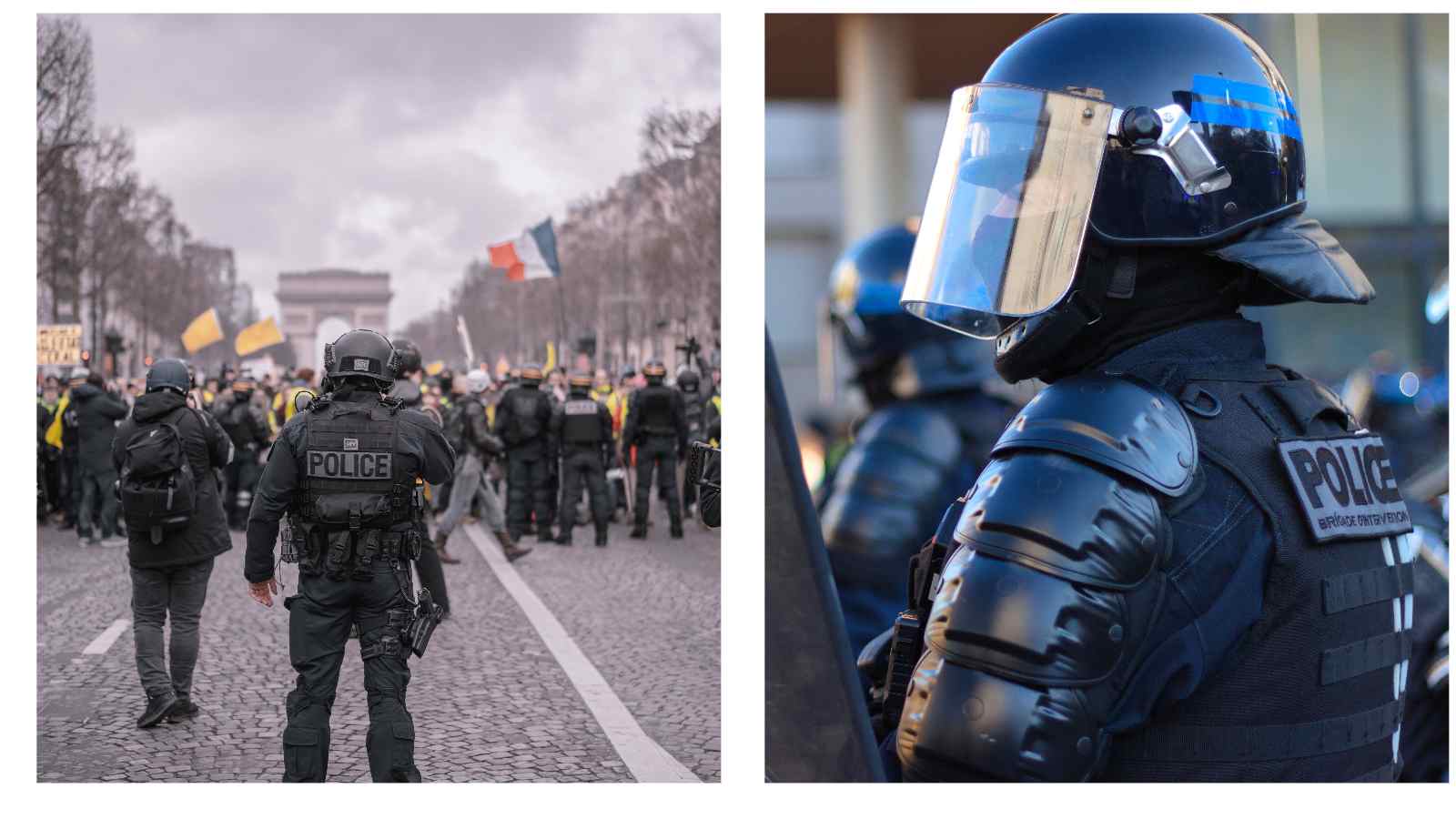
Demonstrators were set to take to the streets of France on Saturday after a proposed law that shields police who use their weapons became a new concern.
Passed by the lower house and now headed next to the Senate, the bill permits officers a presumption of legitimate self-defence when firing their armoury or using force during protests.
This earned immediate backlash from critics who called the legislation a “license to kill” and warned that such a rule further diminishes accountability.
Citizens have since been dealing with police brutality complaints never being raised in a criminal court.
Their growing fears have been triggered by recent events.
Police violence linked to injuries
Lawyers stressed last week that recent reports on “mutilations”, which included severe injuries to eyes, hands and feet, were all due to police violence at earlier rallies.
Supporters, however, claimed it was crucial that officers were afforded legal protection.
Marine Le Pen’s far-right National Rally backed the measure with an argument that police are frequently presumed guilty of excessive force when using weapons in such situations.
YOU MAY ALSO LIKE: Europe unveils new digital fairness rules to curb deceptive online practices

Protest momentum fades as unions press on
The dispute comes as demonstrations over cost of living and school blockades stretch to more than a month ahead of next year’s presidential election – a time the far right considers an opportunity to seize power.
A main rally in Paris will be staged at 1pm simultaneously with other gatherings in multiple areas.
Many anticipate the participation of Yellow Vest activists together with students, unions, and campaigners for children’s rights, including those advocating for better protection against sexual abuse.
CGT union representative Karl Ghazi suggested there could be division among demonstrators.
“It’ll essentially be child rights activists on one side and people against the ‘license to kill’ on the other,” he said, noting “real activist fatigue” after six weeks of mobilisation.
Last Saturday’s tally of 146,000 protesters across the country evidently backs his view.
The peak came during a union-led strike on Thursday, when over half a million people marched, according to official figures.
Pressure on the government may not ease soon.
Unions have called for a new strike for Tuesday after dismissing a promised 0.6% minimum wage increase as “crumbs”
READ NEXT: Ilse Aigner officially nominated for German presidency
 Elan Castanares
 Ciara Mina
 Jheruleene Anne Ramos