

The German military is eyeing EUR 3.5 billion in spending to acquire Tomahawk cruise missiles and Typhon missile launcher systems.
The procurement deal will allow Germany to independently own an arsenal of deep strike weaponry to serve as a deterrent against potential threats on the country’s Eastern flank.
This combination of line items reflects Germany’s intention to establish national control over important military capabilities while improving its firepower.
A potent ground-launched missile arsenal
The Tomahawk is a long-range, subsonic cruise missile launched from various American ground, aerial, and naval platforms.
The missile is also operated by different countries such as the United Kingdom, Australia, and Japan.
Under the deal, Berlin is negotiating to join the missile’s robust supply chain.
This provision will allow Germany to build its missile inventory without putting pressure on the global supply network.
Meanwhile, the Typhon missile launcher system is a ground-based platform that can fire both Tomahawk and SM-6 (anti-air, anti-surface missiles) for anti-access/area denial purposes in combat zones.
Aside from its missile capacity, the Typhon is built around a mobile launcher, providing operators with tactical flexibility for deployment.
Acquiring such a weapon platform dramatically alters the strategic balance of power in Europe.
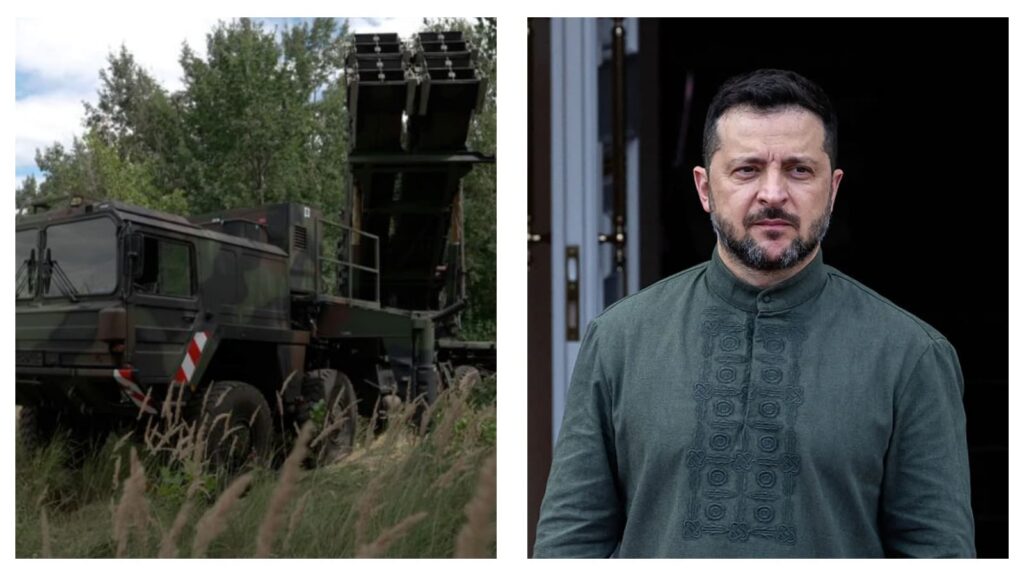
YOU MAY ALSO LIKE: Ukraine needs more than 120 missile interceptors per month, says Volodymyr Zelensky
Tactical value
Through these assets, Germany can realistically strike targets from thousands of kilometres away without relying on fighter jets.
Army commanders could target command posts, radar stations, and supply depots behind the combat frontlines.
From a tactical perspective, Berlin can continue harnessing the important logistics supply chain without risking its more valuable fighter aircraft against heavily defended air defence networks.
The current budget is part of the country’s EUR12-billion military initiative for long-range missile strike capability.
The funding could be integrated into Germany’s overall military budget next year.
READ NEXT: ICC supports UN-backed coordination measure to help fertiliser supplies move
 Ren Azrack Escosio
  Geoffrey H. Latayan
  Bobbie Matias