
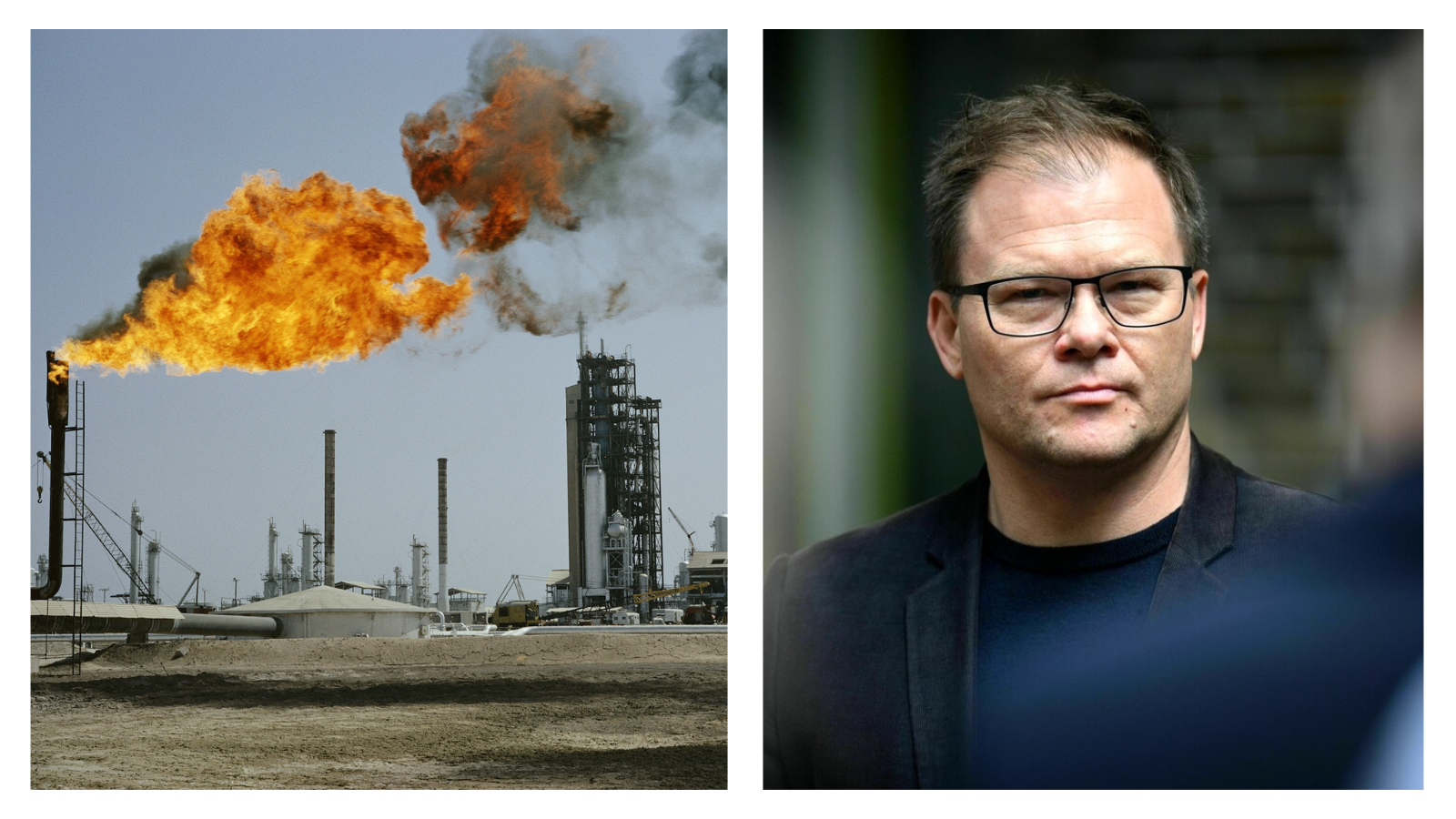
Germany has presented a roadmap to completely phase out coal, oil and natural gas by 2045, re-affirming a national climate strategy anchored in rapid electrification and renewable energy expansion.
Strategic roadmap to climate neutrality
According to Deutsche Welle (DW), German Environment Minister Carsten Schneider formally presented the strategy at the United Nations General Assembly.
Schneider emphasised that the 19-year transition framework “combines independence, affordability and climate protection,” while serving as a model for global decarbonisation efforts.
With this submission, Europe’s largest economy becomes the third nation, following France and the Netherlands, to submit a detailed implementation blueprint that advances the collective energy commitments reached at the COP28 climate summit.
Schneider noted that fossil fuels accounted for 65 per cent of German energy consumption in 2024, requiring import costs of EUR76 billion (US$86.5 billion).
He highlighted that recent global supply disruptions, including conflicts impacting the Strait of Hormuz, underscored the economic imperative of achieving energy sovereignty.
Core pillars, transport targets
The strategy prioritises heavy investment in wind and solar infrastructure alongside the widespread adoption of heat pumps and battery-electric transport.
Under the federal target, battery-electric vehicles are projected to constitute 100 per cent of new passenger car registrations by 2035.
Schneider expressed confidence that the 2045 target remains structurally feasible, asserting that reducing reliance on volatile fossil fuel markets is essential for long-term domestic economic security.
YOU MAY BE INTERESTED IN: Why El Niño could make everyday food more expensive

Environmental groups highlight policy contradictions
Environmental organisations welcomed the international signal while raising concerns about inconsistencies with some domestic government policies.
Greenpeace energy expert Mira Jaeger said the announcement represented a positive signal for German international climate policy, while criticising what she described as continued government support for the oil industry, setbacks to the heating transition and slower renewable-energy expansion.
WWF climate policy adviser Fentje Jacobsen similarly argued that the roadmap largely repeated existing initiatives without introducing additional ambitions.
DW also reported that Economy Minister Katherina Reiche has advocated building new gas-fired power plants to stabilise the electricity grid and has supported preserving a larger role for combustion-engine vehicles using alternative fuels.
Environmental campaigners have argued that such policies could conflict with the government’s stated fossil-fuel phaseout objectives.
READ NEXT: Thailand declares disaster as severe floods inundate Bangkok
 Ciara Mina
 Jheruleene Anne Ramos