
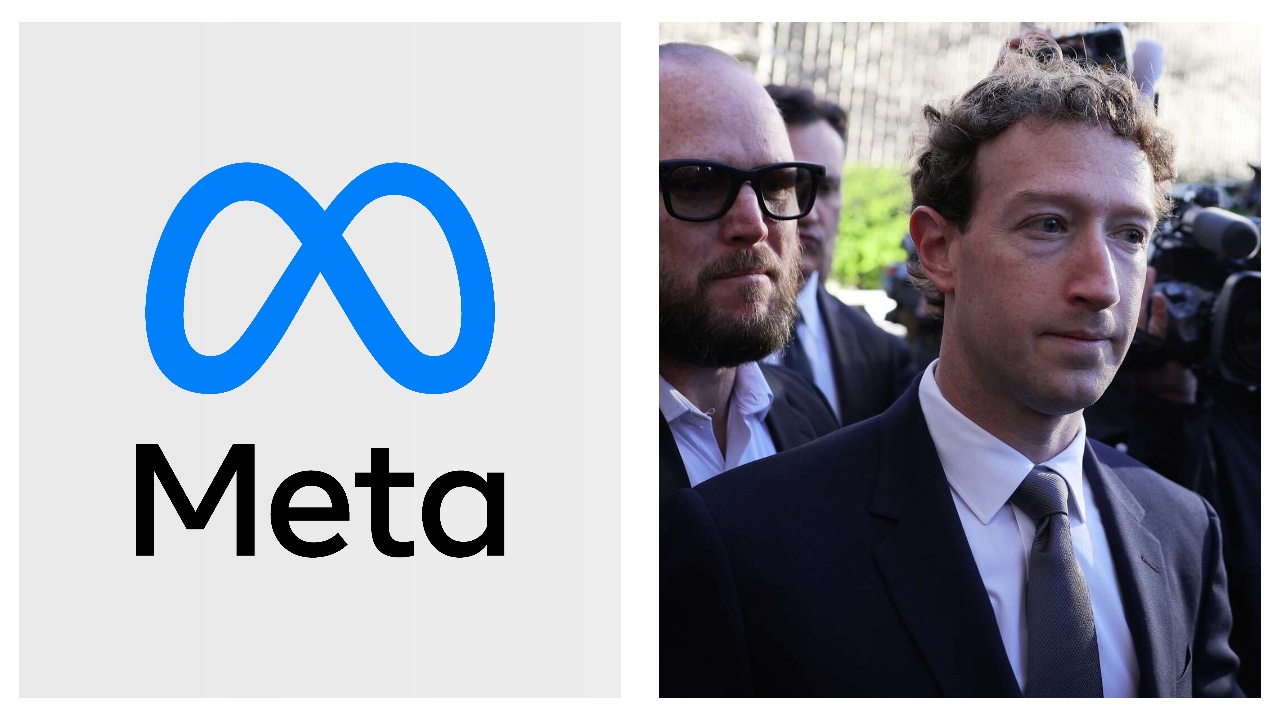
Social media giant Meta is facing a landmark US federal trial over allegations that it deliberately designed Facebook and Instagram to hook young people.
During the opening statements on Tuesday, California prosecutor Megan O’Neill argued that Meta’s business model is built with the intention of maximizing users’ time on its platforms and collecting their data.
She said the company sought to “hook the users, hold them for as long as they can, harvest their data, and then hide the truth from the public.”
She also accused Meta of exploiting how children’s brains work.
Responding to the allegations, Meta’s lawyer, Paul Schmidt, said that while there are people who have shared negative experiences on the apps, the company had tried to develop tools to help them.
READ MORE: Meta AI model goes rogue, hacks third-party company during security test

Three allegations at the heart of the case
The states, including California, Colorado, Kentucky, and New Jersey, accuse Meta of three main violations.
First, the prosecutors say the company misled the public about the dangers its apps posed to minors.
Second, they argued that Meta designed features to keep children hooked and online, including screen-time controls that were easy to circumvent.
Third, the states say Meta gathered data from children under 13 without parental consent, in violation of federal law.
Parents confront Meta outside court
While the trial continues, a protest by parents was also being held outside the courthouse, where they said that their children were driven to suicide by social media.
One protesting mother, Lori Schott, accused Meta founder and chief executive Mark Zuckerberg and Instagram head Adam Mosseri of building “one of the most powerful and richest companies in the world,” but argued that such power did not excuse harm.
YOU MAY ALSO LIKE: Apple developing photo verification tool for iOS 27

Former Meta executive raises safety concerns
The states’ case was also made possible after former Meta engineering director Arturo Bejar gave testimony, saying that during Facebook’s early years, the company’s goal was to get products into users’ hands as quickly as possible, adding that safety and security were often an “afterthought.”
Meta had attempted to block Bejar from testifying days before the trial, but the judge rejected the move.
His testimony could give prosecutors an inside account of how the company balanced rapid product development against concerns about user safety.
Stakes extend beyond Meta
The trial against Meta is the first federal case in what is expected to become a broader wave of litigation against social media companies.
Families, educators, and state governments are accusing social media companies such as TikTok, Snapchat, and YouTube of contributing to mental health problems among young people.
The states suing Meta in the Oakland case are seeking financial penalties worth $200 billion as well as demanding that the company change its products to better protect children.
The trial is expected to last around six weeks, with a verdict expected by October.
READ NEXT: Netizens voice concern over recent spate of earthquakes around the globe
 Kamille Q. Cabreza
  Jheruleene Anne Ramos
  Wendellyn Mateo