
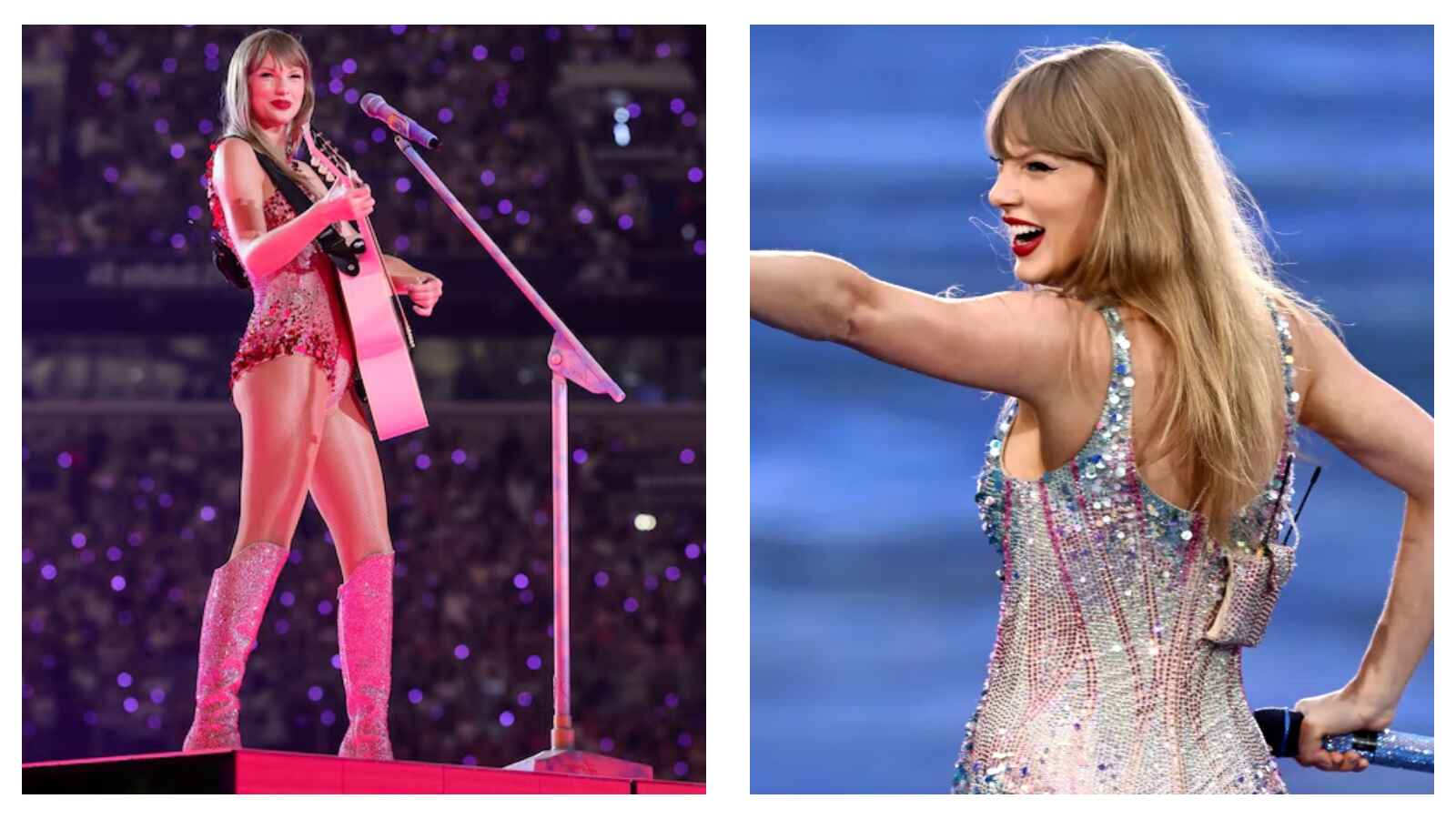
Pop superstar Taylor Swift has filed trademark applications for two audio clips and one image of herself in what a trademark attorney calls an attempt to protect her voice and likeness from deepfake videos and audio created by artificial intelligence (AI).
The applications were filed with the U.S. Patent and Trademark Office on April 24 by Swift’s company TAS Rights Management, LLC, as they own the audio clips and image.
The applications are for an audio of her saying, “Hey, it’s Taylor Swift,” and another for “Hey, it’s Taylor,” known as sound marks. The third is an image of her onstage holding a pink guitar, wearing a multi-coloured iridescent bodysuit.
Use of celebrity voice and likeness
According to Reuters, Swift’s likeness and voice have been used in countless AI-generated deepfakes – from false advertising and fake political endorsements by US President Donald Trump to explicit images.
Similarly, actor Matthew McConaughey recently received eight trademark approvals from the US Patent and Trademark Office for numerous images and his “Dazed and Confused” catchphrase, “Alright, alright, alright”.
This was part of an attempt to regulate and halt any AI apps’ or users’ attempts to hijack his likeness and voice, he stated at the time.
He told the Wall Street Journal in January that “we want to create a clear perimeter around ownership with consent and attribution the norm in an AI world”.
YOU MAY ALSO LIKE: Film news: Nara Smith set to make acting debut in upcoming thriller ‘Tyrant’
New layer of protection using trademarks
Trademark attorney Josh Gerben, who first publicised that Swift made the applications on his blog on April 27, wrote that they “are specifically designed to protect Taylor from threats posed by artificial intelligence”.
“While existing ‘Right of Publicity’ laws offer some protection against unauthorised use of a famous individual’s likeness, trademark filings can provide an additional layer of protection,” Gerben wrote.
Gerben added that registering a celebrity’s spoken voice is a new use of trademark registration that has not been tested in courts.
“Historically, singers relied on copyright law to protect their recorded music,” he wrote.
“But AI technologies now allow users to generate entirely new content that mimics an artist’s voice without copying an existing recording, creating a gap that trademarks may help fill.”
Gerben stated the photo Swift is seeking to trademark serves a similar purpose.
“By protecting a distinctive visual, down to Swift’s commonly worn jumpsuit and pose, Swift’s team may gain additional grounds to pursue claims against manipulated or AI-generated images that evoke her likeness,” he wrote.
Neither Swift’s nor McConaughey’s filings have been tested in court, though Gerben said “the legal theories behind the filings are strong”.
READ NEXT: Trump and Melania demand ABC sack Kimmel over ‘widow’ joke; host hits back
 Carmela Calling
  James Mario Ajero