
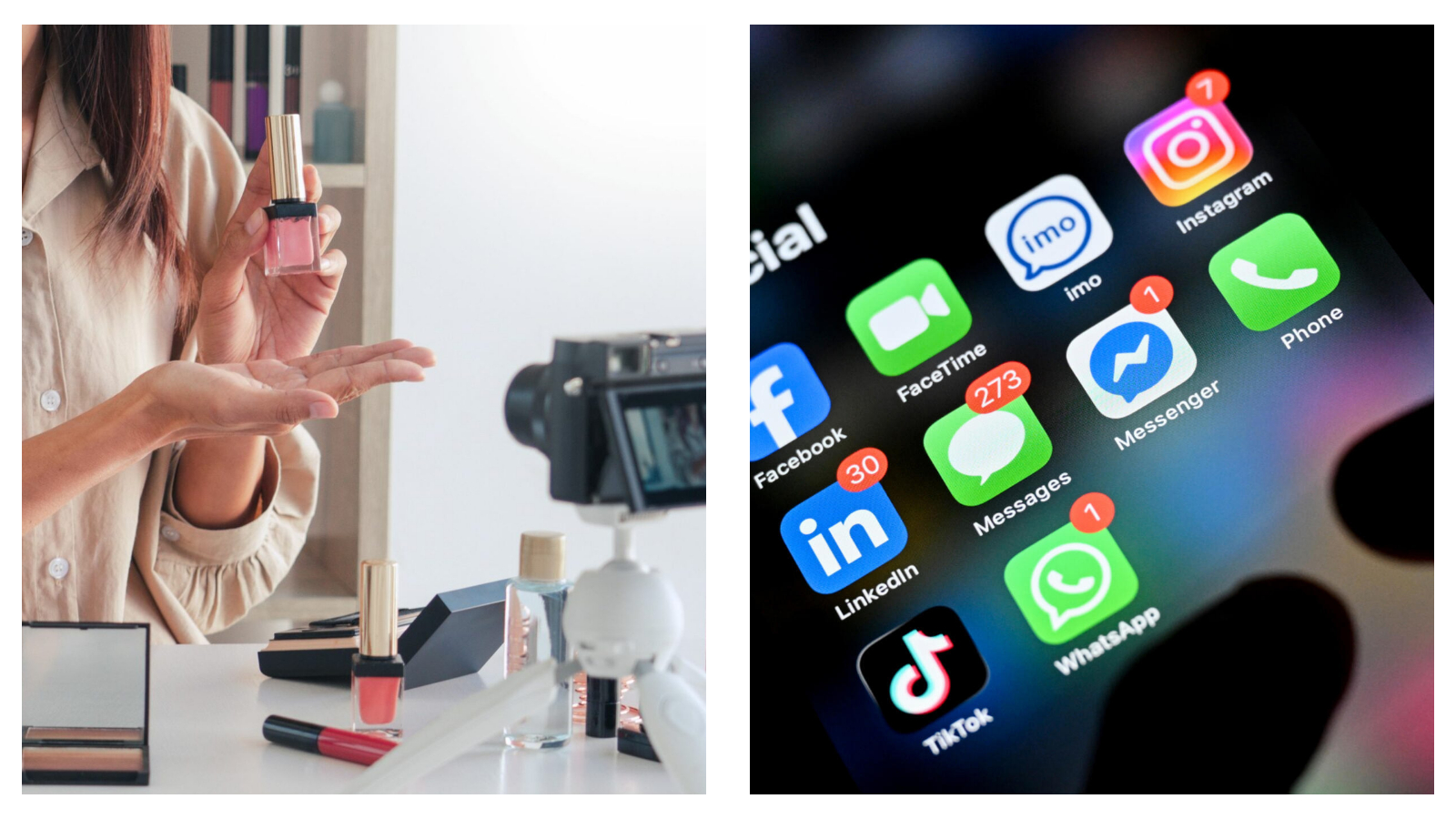
That skincare recommendation in your feed? Or that creator who “just discovered” a product they suddenly can’t stop talking about?
The European Union wants to make sure people know when those posts are actually advertisements.
European regulators are planning tougher rules for influencer marketing, with a particular focus on protecting children from misleading commercial content online.
Why the EU is stepping in
Influencer marketing has become one of the internet’s biggest advertising businesses.
But unlike traditional ads, sponsored posts can sometimes blend seamlessly into regular content, making it harder for users to tell when they’re being marketed to.
The EU’s proposed rules would require clearer disclosures and target practices that make advertising look like ordinary recommendations.
YOU MAY ALSO LIKE: Film news: Rosamund Pike’s next role sounds like your worst social media habit turned into a horror movie

Protecting younger users
A major focus of the proposal is the growing number of children and teenagers spending time on social media.
Regulators say younger users may be especially vulnerable to commercial messages delivered by creators they trust and follow regularly.
According to reports, the planned measures would apply not only to influencers, but also to advertisers, agencies and social media platforms as part of a broader effort to curb deceptive online practices.
The days of the hidden #ad?
The proposals are still being developed, but the direction is clear.
If adopted, influencers may have to be more explicit about sponsored content, brands could face greater scrutiny over marketing campaigns, and social media users may see fewer blurred lines between content and advertising.
For an industry built on authenticity, that’s the challenge at the centre of the debate: making sure followers know when they’re watching a recommendation and when they’re watching a sales pitch.
READ NEXT: Australia wants choice to ‘opt out’ of social media algorithms
 Elan Castanares
 Ciara Mina
 Jheruleene Anne Ramos