
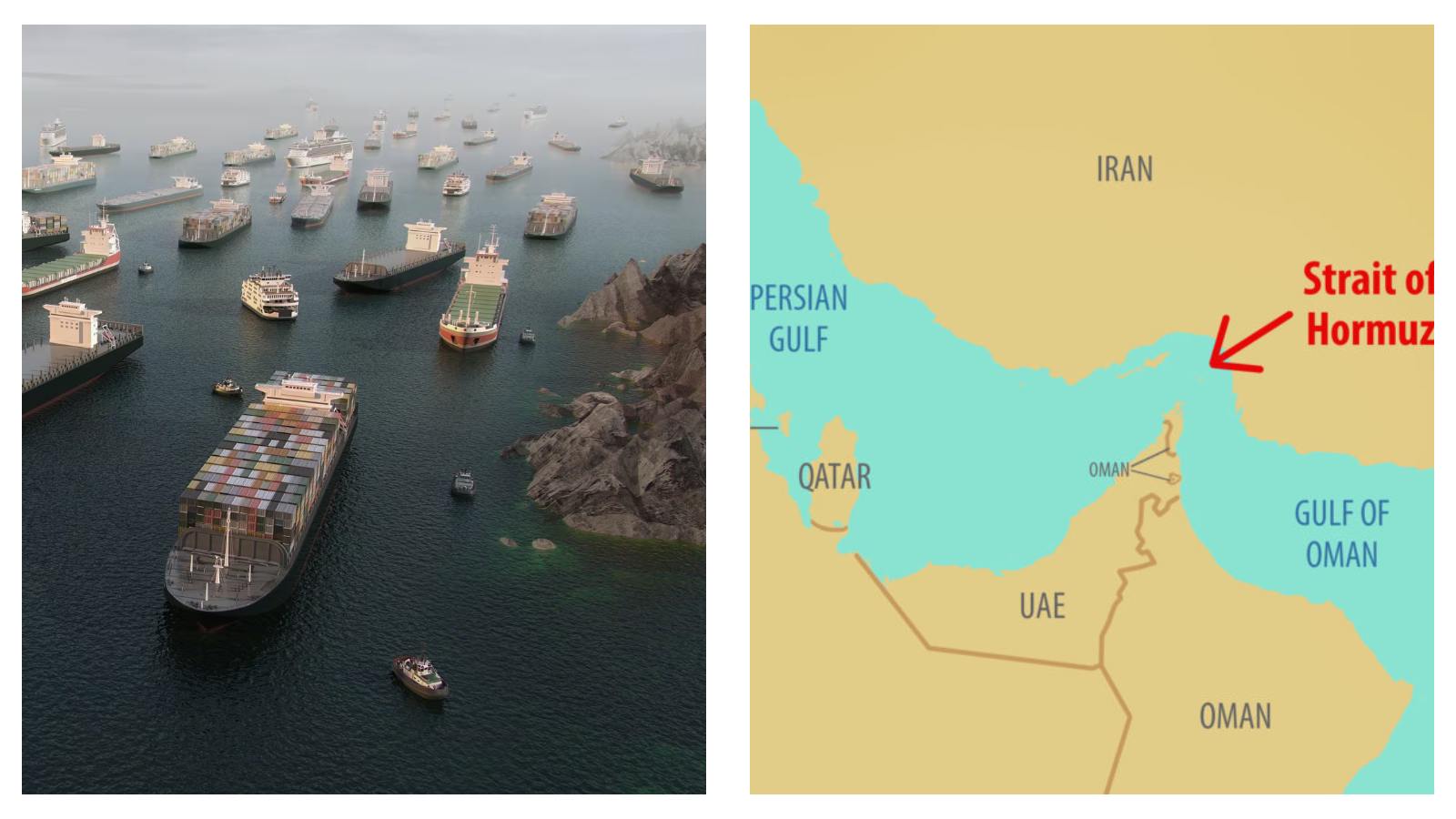
The United Nations’ Food and Agriculture Organisation (FAO) has warned of an impending global food price crisis in the next six to 12 months if countries fail to find an alternative to the current trade conundrum in the Strait of Hormuz.
Speaking at a podcast on the Hormuz crisis, FAO Chief Economist Maximo Torero said that the time has come for the governments to increase their resilience against the potential food price impacts of the ongoing war between the United States, Israel and Iran.
According to Torero, governments, financial organisations and the private sector need to exercise intervention to help communities “cope better with the current situation”.
Impending food price crisis
On May 8, the FAO reported a rise in the global food price index for the third consecutive month in April, recording a 1.6 per cent surge in traded food commodities.
The increase was largely attributed to the ongoing war in the Middle East and the onslaught of El Niño in some of the major agricultural-producing countries.
The FAO added that food insecurity is also growing in some parts of Latin America and the Caribbean.
“El Niño could push more families into vulnerability by triggering drought conditions in Central America’s Dry Corridor and disrupting rainfall and temperature patterns across the region,” said the FAO, adding that this phenomenon could last until the end of the year.
“The window for preventive action is closing quickly.”
“Decisions taken now by farmers and governments on fertiliser use, imports, financing and crop choices will determine whether a severe global food price crisis emerges within six to 12 months,” the agency added.
YOU MAY ALSO LIKE: Iran defends sanctions relief, war reparations as peace talks with US continue
Alternative routes, trade exemptions
In response to the impending crisis, the UN food agency has urged countries to find an alternative to the Strait of Hormuz, which is currently under a chokehold due to the ongoing war in the Middle East.
Among its recommended alternative land and sea routes are the eastern Arabian Peninsula, western Saudi Arabia, and the Red Sea.
However, these routes can only hold a limited export capacity.
“This won’t resolve the magnitude of the supply shock of inputs but will help marginally reduce it,” the FAO said, urging major producers in these corridors to lift export restrictions and trade curbs on energy, fertiliser, inputs and food products.
Increased humanitarian response, climate action
The agency also warned that rising global prices for fuel, fertilisers, and food could weaken households’ purchasing power, prompting an increased humanitarian response and social protective measures.
“Preparedness matters because budgets are shrinking,” said the FAO.
“Supporting governments and communities to reduce the risk of recurring food crises and investing in early climate action saves resources in the long term,” it added.
READ NEXT: Putin condemns Ukrainian strike on dormitory in Russian-occupied Starobilsk
 Kamille Q. Cabreza
  Jheruleene Anne Ramos
  Wendellyn Mateo