
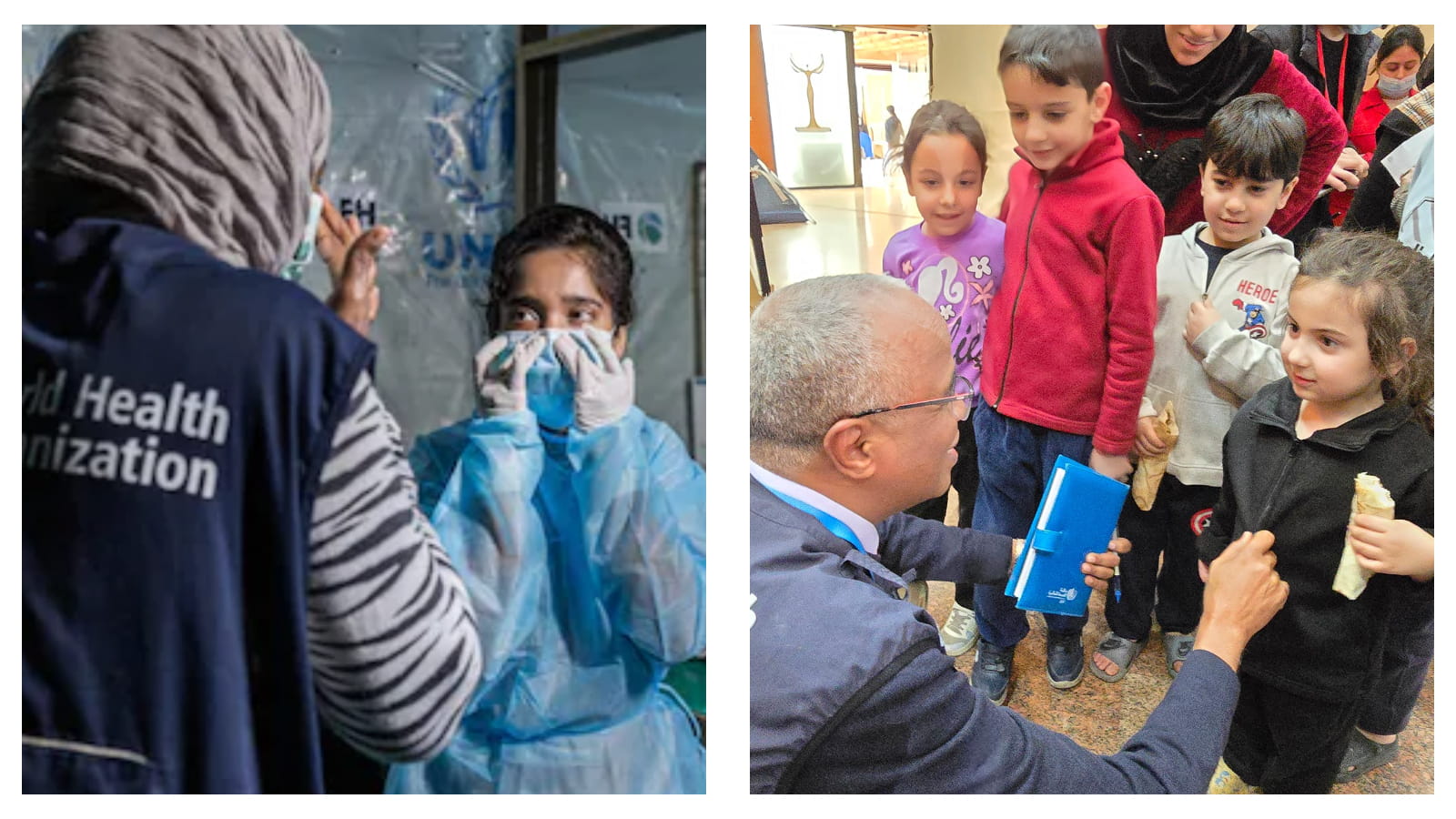
The World Health Organization (WHO) has warned of increasing health risks in the Middle East due to the prolonged US-Israel war on Iran, as many people are displaced and attacks on infrastructure continue.
Three weeks into the conflict, the WHO said health systems across the region are coming under strain as more people are being reported dead and injured.
At the same time, health care facilities are also being targeted by attacks.
The plight of civilians
Data from the WHO said 18 attacks on health care were recorded in Iran since February 28, resulting in eight deaths among health workers.
In addition, 16 deaths and 29 injuries were recorded after 25 attacks on health care in Lebanon over the same period.
With the continuous attacks, people are relocating to other areas in their home countries due to insecurity.
In Iran, more than 100,000 people have relocated, while there are 700,000 people who were internally displaced in Lebanon.
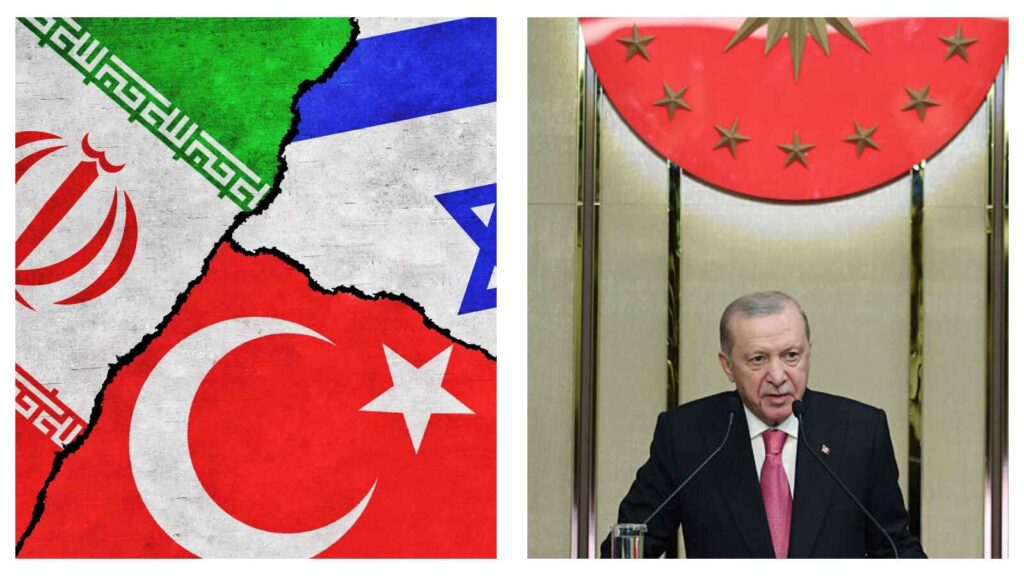
READ MORE: Turkey fires up diplomatic pursuit amid rising Mideast tension
The WHO said the displaced are in a dire situation, as people are in crowded collective shelters under deteriorating public health conditions.
These people are also deprived of access to safe water, sanitation and hygiene.
According to the WHO, people are at risk of contracting respiratory infections, diarrhea, and other communicable diseases.
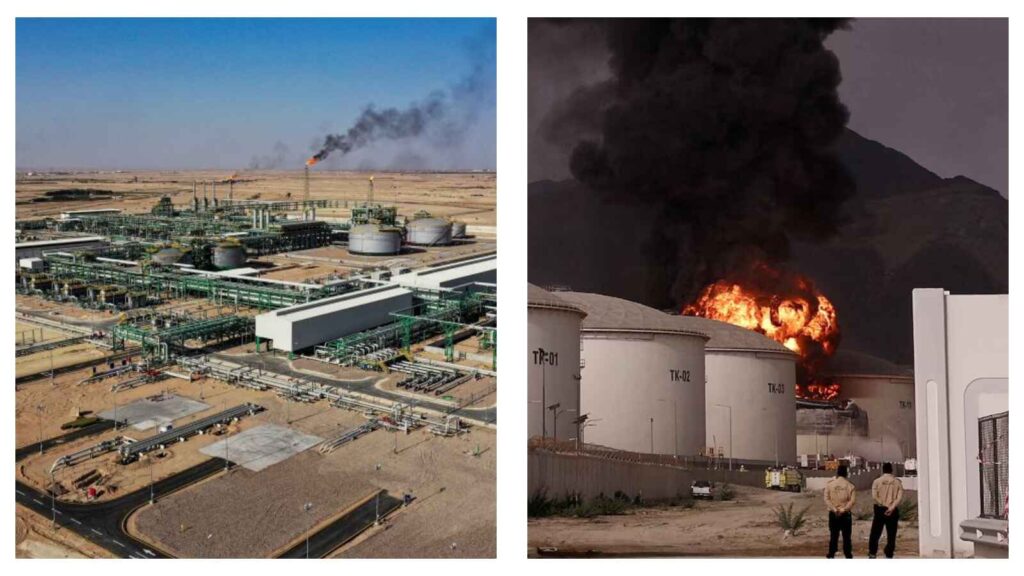
Civilians are also at risk of breathing problems, eye and skin irritation, and contaminated water and food sources, as petroleum fires and smoke from damaged infrastructure cause toxic pollutants.
Health services disrupted
The Middle East tension has also disrupted health services for people as more facilities across the region have shut down since the war.
In Lebanon, 49 primary health care centers and five hospitals have shut following evacuation orders issued by Israel’s military.
Increased movement restrictions and checkpoint closures are also delaying ambulance and mobile clinics’ access across several governorates in the West Bank.
Meanwhile, in Gaza, medical evacuations have been suspended since February 28, while hospitals are experiencing shortages of medicines, medical supplies and fuel.
In Dubai, more than 50 emergency supply requests, intended to benefit over 1.5 million people across 25 countries, are affected due to temporary airspace restrictions.
YOU MAY BE INTERESTED IN: Countries implement energy-saving measures amid soaring global energy prices
WHO’s actions
Amid the situation, the WHO is leading and coordinating a comprehensive, multi-country health response aligned with its Emergency Response Framework and Incident Management System to attend to the needs of the people in the region.
This response aims to strengthen emergency coordination and health sector leadership, enhance disease surveillance and early warning, and sustain and expand trauma response and essential health services.
It also focuses on reinforcing logistics, supply chains, and operational support, while strengthening capacities for mass casualty management in chemical, biological, radiological and nuclear emergencies.
The WHO also reported that a total of USD633 million is needed for health emergency responses in 2026, in addition to USD56 million to sustain the Regional Health Emergencies Program.
READ NEXT: Philippines President Ferdinand Marcos renews campaign for Security Council seat during UN visit
 Carmela Calling
  James Mario Ajero