
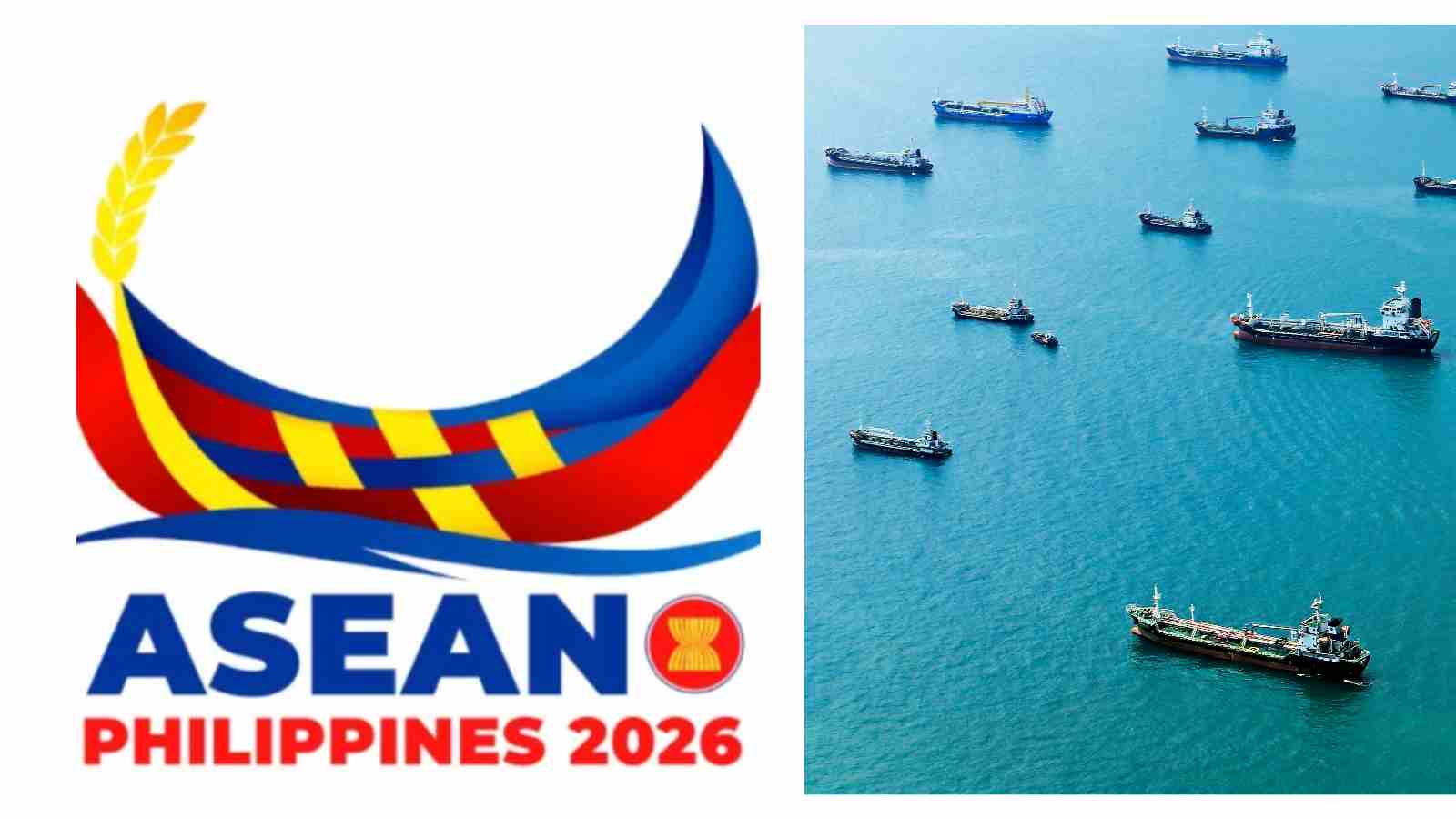
Foreign ministers from the Association of Southeast Asian Nations (ASEAN) successfully concluded four days of intensive diplomatic engagements in Manila on July 24, addressing an array of pressing security challenges spanning Middle East hostilities to South China Sea tensions.
Calls for Middle East de-escalation
The 59th ASEAN Foreign Ministers’ Meeting opened under the heavy shadow of escalating military conflict involving the United States and Iran.
The Diplomat reported that the regional bloc’s top diplomats convened to address the expanding crisis and its severe repercussions for global trade and regional energy security.
According to the Philippine Information Agency (PIA), ASEAN foreign ministers issued a joint statement expressing “serious concern” over the military escalation.
The ministers urged all involved parties to exercise utmost self-restraint and called for an immediate cessation of hostilities across all fronts.
Philippine Foreign Affairs Secretary Ma. Theresa Lazaro emphasised the importance of safeguarding maritime safety and freedom of navigation through the vital trade passage of the Strait of Hormuz.
YOU MAY ALSO LIKE: Tensions in the Middle East: ASEAN nations roll out emergency measures
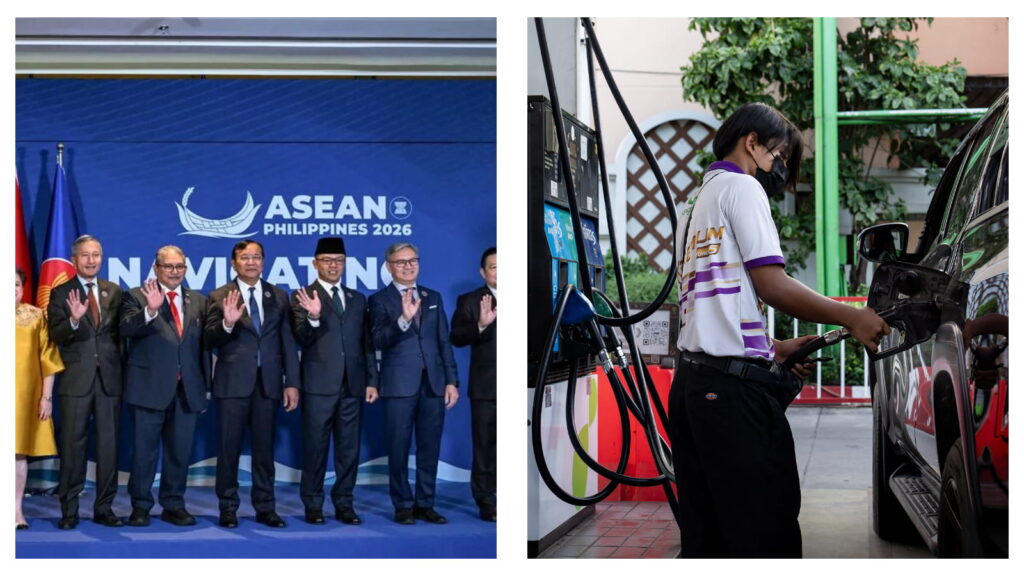
SCS, regional agreements
Beyond external conflicts, maritime disputes in the South China Sea remained a primary focus of the Manila gathering.
Discussions between ASEAN members and key external partners, including the United States, centred on recent maritime standoffs near disputed reefs, emphasising the urgent need to prevent territorial disputes from spiralling out of control.
Despite the complex geopolitical backdrop, the Presidential Communications Office (PCO) confirmed that the Philippines successfully hosted and concluded the four-day ministerial series with significant regional agreements.
Official statements highlighted consensus on enhancing regional economic integration, disaster response frameworks and joint maritime security protocols.
Through these measures, ASEAN member states re-affirmed their shared commitment to upholding international law, fostering open dialogue and maintaining regional peace amidst global uncertainty.
The members of ASEAN are Brunei, Cambodia, Indonesia, Laos, Malaysia, Myanmar, the Philippines, Singapore, Thailand, Timor-Leste and Vietnam.
READ NEXT: Thailand, Cambodia seek international experts to settle maritime issues
 Angelica N. Hall
  Kamille Q. Cabreza
  Geoffrey H. Latayan