
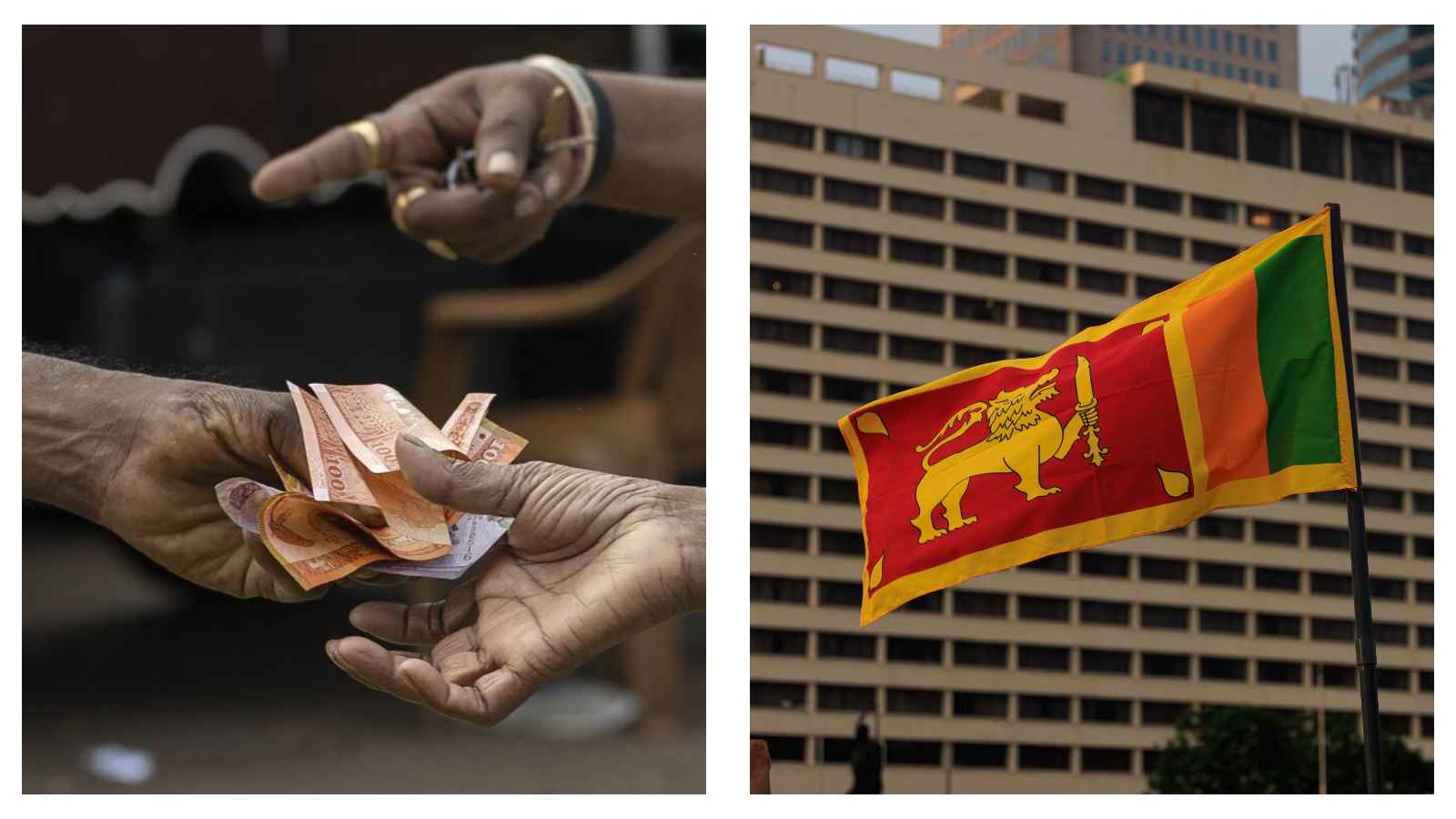
Sri Lanka’s latest inflation surge is being fuelled by steep increases in everyday essentials, with household budgets stretched thin and wage growth failing to keep up with the rising cost of living.
The Colombo Consumer Price Index climbed to 7.3 percent year‑on‑year in July 2026, the highest reading since mid‑2023, according to the Central Bank of Sri Lanka (CBSL).
Food price increases nearly doubled their annual rate over the course of one month, surging from 3.6 percent in June to 6.3 percent in July.
Non‑food costs also rose, climbing from 7.8 percent to 8.4 percent year‑on‑year, while housing rental expenses added 0.23 percentage points to the overall monthly gain.
Meanwhile, the central bank noted that transportation expenses remain a major pressure point, rising 17.2 percent year‑on‑year in July after hitting 18.7 percent in June.
Other categories seeing notable increases include dining and hospitality services at 10.6 percent, education at 7.2 percent, and miscellaneous goods and services at 6.2 percent.
Wages fall further behind prices
For wage earners, these increases translate into steadily shrinking purchasing power.
Central Bank data shows private sector pay has risen about 9 percent over the past year, while public sector pay has risen only around five percent – both well below the current inflation rate.
Even public sector workers faced falling real earnings before the latest price hike was recorded.
YOU MAY ALSO LIKE: Vietnam orders fuel supply inspections amid localized diesel shortages
Target breach sparks police debate
The country has now seen four consecutive months of inflation above the five‑per cent target set under the Monetary Policy Framework Agreement.
The sustained breach has renewed questions about whether this target remains fit for purpose, with some stakeholders advocating for a lower benchmark.
Even when food and energy costs are excluded to reveal underlying trends, inflation still accelerated from 4.0 percent to 4.4 percent between June and July, indicating broad price pressures are taking hold.
Outlook remains uncertain
CBSL projects inflation will peak in the high single digits in late 2026 or early 2027 before gradually declining toward target levels by early 2028, though officials note considerable uncertainty around the exact pace of adjustment.
READ NEXT: Cuban leader Miguel Diaz-Canel blasts US amid fresh sanctions
 Carmela Calling
  James Mario Ajero