
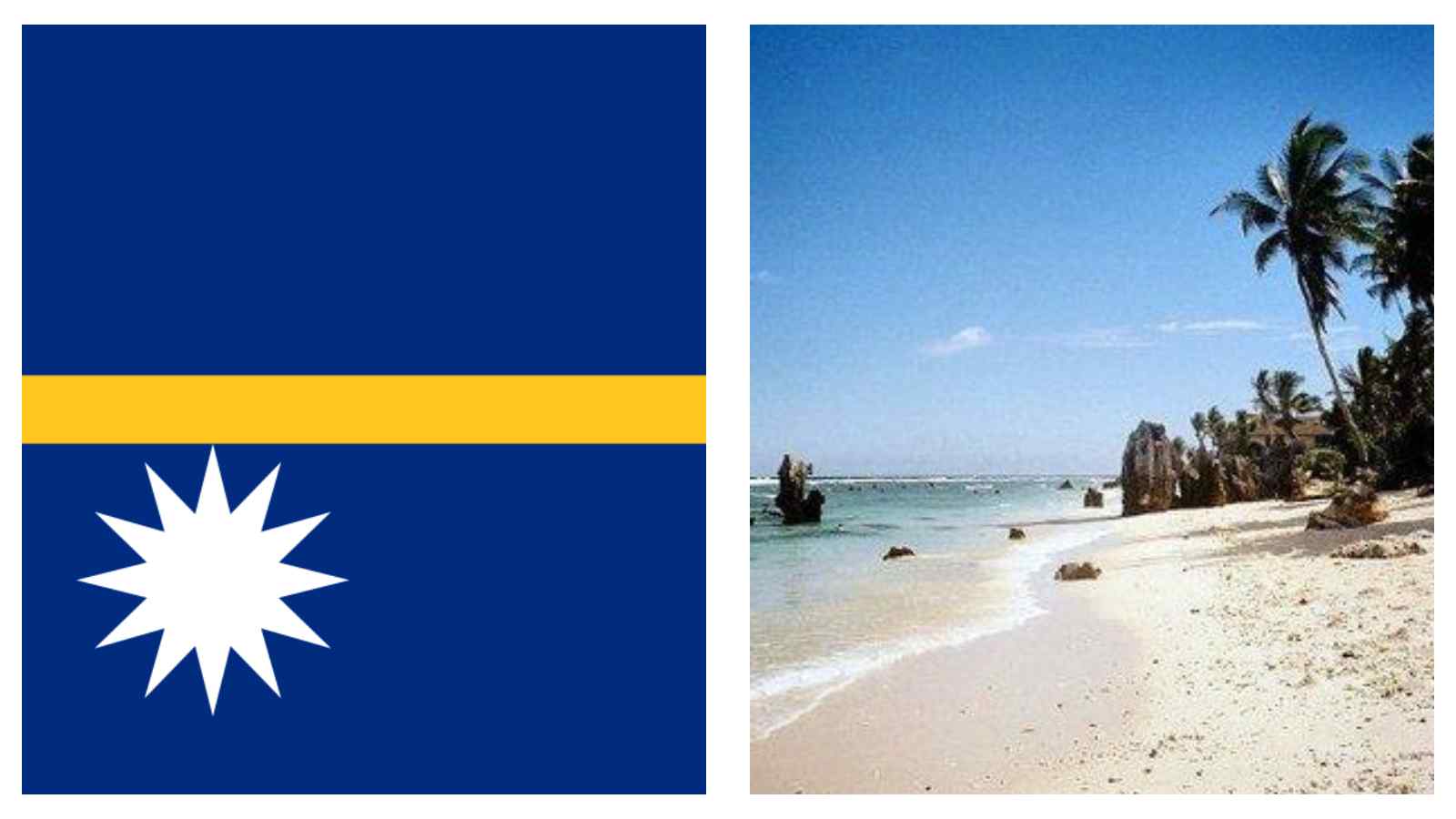
Nauru has reverted to its original Indigenous name, Naoero, in a bid to rid itself of its colonial label and preserve its national language.
The South Pacific island nation now officially goes by the Republic of Naoero, while its citizens are referred to as dei-Naoero instead of Nauruans.
Its three-letter country code has also been updated from NRU to NRO, the government announced in a published statement on its official Facebook page on July 29.
The decision comes two months after Naoero’s parliamentarians unanimously voted in favor of President David Adeang’s proposed constitutional amendment to rename Nauru.
According to the government, the previous anglicized name was only chosen “for convenience” because it could not be properly pronounced by foreigners.
New chapter
Naoero follows the footsteps of many countries that changed their names either for cultural or geographical reasons this 21st century.
The list includes Türkiye (formerly Turkey), the Netherlands (Holland), North Macedonia (Macedonia), Eswatini (Swaziland), Czechia (Czech Republic), Cabo Verde (Cape Verde), and Timor-Leste (East Timor).
Adeang described the name change as the “beginning of renewed national pride” and a “new chapter founded on unity, responsibility, patriotism, better health, education, and sustainable development”.
He said the move was not about politics, but rather a reflection of the country’s commitment to preserving national heritage, cultural identity, and ancestral legacy, as well as strengthening the future of Naoero’s children.
“The future of Naoero will be built by learning from the mistakes of the past and using their experience to make wiser decisions for the generations to come,” he said in a July 20 address to Parliament, according to last week’s government statement.
MORE INTERNATIONAL NEWS: Europe scorches under relentless heat

No need for referendum
The head of state said his administration opted not to hold a national referendum on Naoero because it is already embedded in the identity of the country’s people.
The national language is called dorerin Naoero, which is still spoken by the majority of the microstate’s approximately 12,300 people.
It is, however, classified as “Severely Endangered” by the United Nations Educational, Scientific and Cultural Organization’s “Atlas of the World’s Languages in Danger”.
“It (Naoero) is already the identity of the people, is on the national coat of arms, and spoken in the community; and importantly is allowed by the Constitution,” Adeang said.
“While a referendum is intended to determine the will of the people, the name Naoero has never been lost, but rather waiting to be fully embraced.”
READ NEXT: Bohol launches app to match tourists with guides, tour providers
 Jacinth Banite
  Ciara Mina
  Elan Castanares