

Europe is enduring one of its most intense and dangerous summers in recent memory, with extreme heat gripping several countries and growing concerns over public safety.
Communities are struggling to cope as soaring temperatures disrupt daily life, strain energy systems and threaten agriculture, while emergency responders continue battling fires that have forced evacuations and damaged vast areas of land.
Recently, Greece, as reported by AFP, faced multiple wildfire fronts and a growing toll of damage.
The country’s Prime Minister Kyriakos Mitsotakis even warned of “extremely difficult” days ahead.
“When the winds blow with such force, even the dozens of aircraft we have at our disposal cannot operate safely,” Mitsotakis wrote on Facebook.
“There are moments when nature and the intensity of weather phenomena surpass any human planning and any operational capability,” he added, as quoted by the news site.
The relentless heat has transformed what was once considered a seasonal challenge into a recurring crisis.
Experts issue warnings
According to reports, health experts continue to warn that prolonged exposure to extreme temperatures poses serious risks, particularly for older adults, children, outdoor workers, and individuals with existing medical conditions.
Authorities across affected regions have also urged residents to stay hydrated, avoid unnecessary outdoor activities, and remain alert as forecasts indicate that dangerous conditions may persist.
Moreover, scientists have repeatedly emphasised that rising global temperatures are increasing the likelihood and intensity of heatwaves, making them more frequent and longer-lasting.
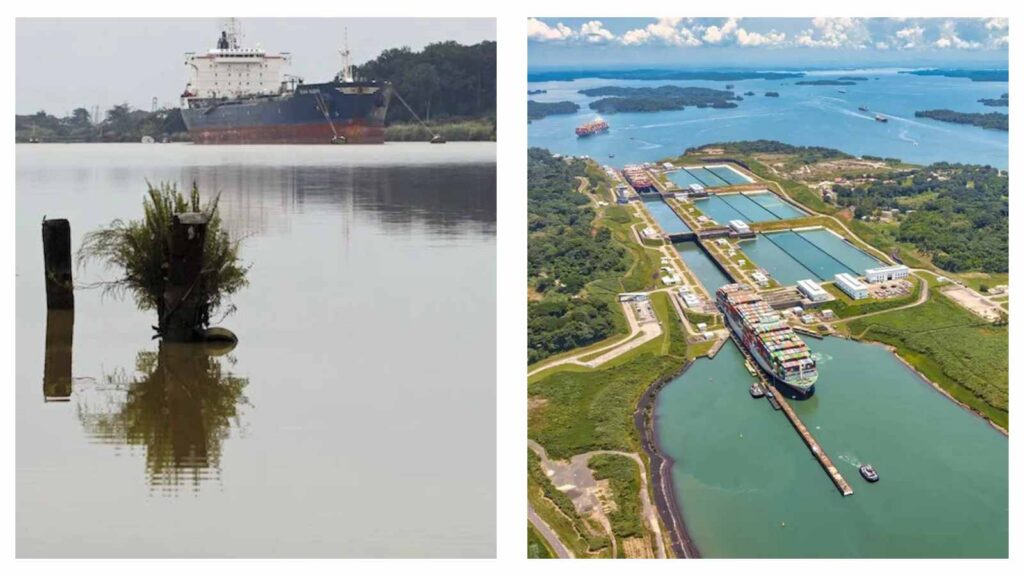
YOU MAY ALSO LIKE: Panama Canal prepares for dry season as strong El Niño threat looms
Need for stronger climate action
The ongoing situation has renewed calls for stronger climate action and greater investment in disaster preparedness to help communities adapt to increasingly extreme weather.
Moreover, the crisis has sparked widespread discussion online, where many netizens expressed concern over the severity of the situation.
Some described the scorching conditions as “frightening”, while others said Europe’s experience serves as a warning that climate change is no longer a distant threat but a reality affecting millions.
Several users urged governments to strengthen environmental policies and invest in sustainable solutions.
Others suggested being responsible in using artificial intelligence as it affects the environment primarily through its energy use, water consumption, and hardware production.
Beyond immediate emergency response, many believe lasting solutions will depend on stronger climate and collective global commitment.
READ NEXT: Chinese embassy lodges rare complaint over NZ foreign minister’s ‘racist’ remarks
 James Mario Ajero