
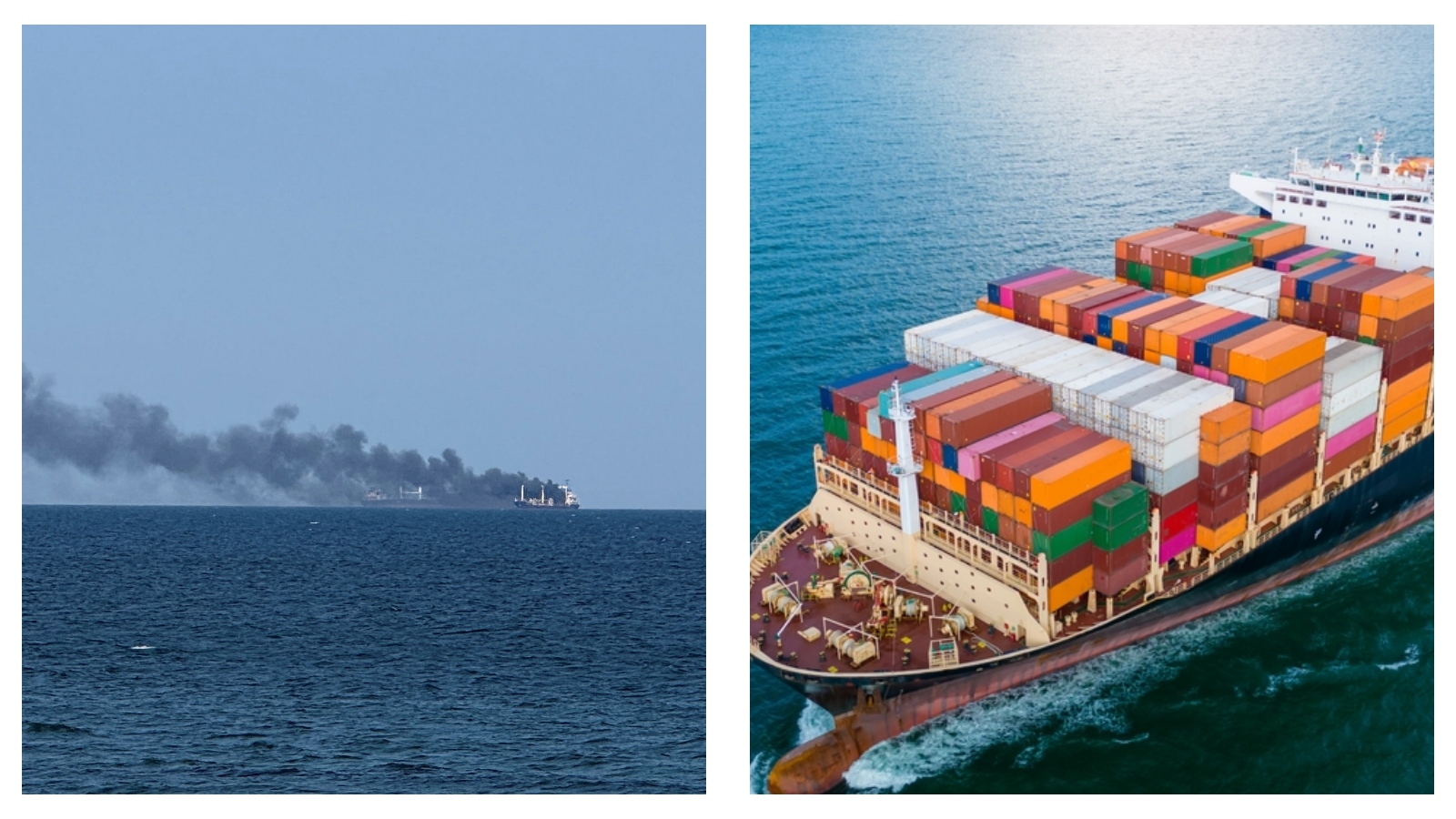
A latest report indicated that consumers around the world are among the greatest losers from the consequences of the ongoing geopolitical and military tensions between nations that have led to disturbances on key maritime routes and delays in the shipment of cargoes due to altered routes to avoid the conflict.
According to the Syrian Arab News Agency, while citing figures from Reuters and Lloyd’s List, the blockade in the Strait of Hormuz, Red Sea and the Bab al-Mandab Strait, as well as civilian ships being targeted in Black Sea, have led to uncertainties in finding efficient alternative routes and, most importantly, put the lives of thousands of seafarers at risk more than ever.
Black Sea shipping disruptions
The years-long conflict between Russia and Ukraine has disturbed the peace in the Black Sea, with recent developments involving commercial ships and ports being targeted by both parties, with United Nations Secretary-General Antonio Guterres calling on Moscow and Kyiv to avoid hitting vessels and ports used to store and deliver grains and food supplies.
The Ukrainian Agrarian Council said that as many as 57 commercial ships were hit by drones in July alone.
Meanwhile, Ukrainian port capacity dropped to around four million tons in the same month from being six months before the latest escalation.
The blockade of the Hormuz Strait has been prolonged for months, so much so that it resulted in an unprecedented global energy crisis, with oil-and-gas-carrying vessels either getting stuck or being hit by missiles or sea mines.
MORE FOR YOU: Vietnam’s domestic sectors struggle with labor shortages
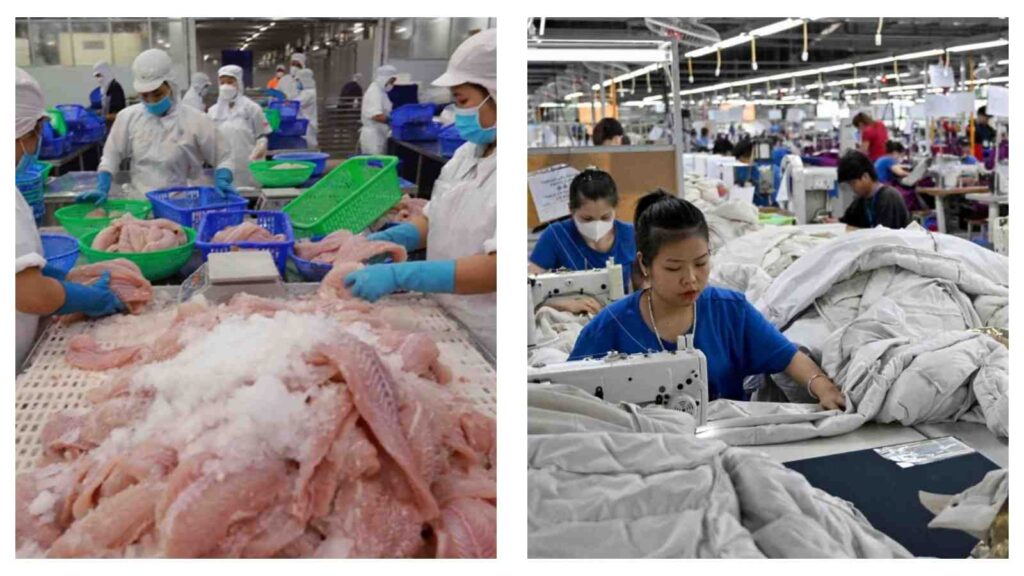
The cost of prolonged wars comes to surface
The impact was swift and did not spare sectors globally, with countries, especially those reliant on energy supplies from Arab nations, clamouring for effective alternatives, such as renewable energy sources.
Also in the Middle East were the recent threats from the Houthis in targeting ships departing from ports in Saudi Arabia, with most vessels now changing their course to use the Suez Canal and going around the Cape of Good Hope before reaching their major Asian clients.
The conflicts have consequently led to the adjustment of freight rates, insurance and fuel costs used by ships and shipping firms, which are then passed on to consumers and businesses.
Such a scenario puts risk to the development of the global economy, while stability in the international market remains volatile and vulnerable to the unpredictability of the direction of war in various territories.
READ NEXT: The new toy box: The rise of beauty culture among young girls
 Levi Mora
  Zdravko Yazhikov
  Kamille Q. Cabreza