
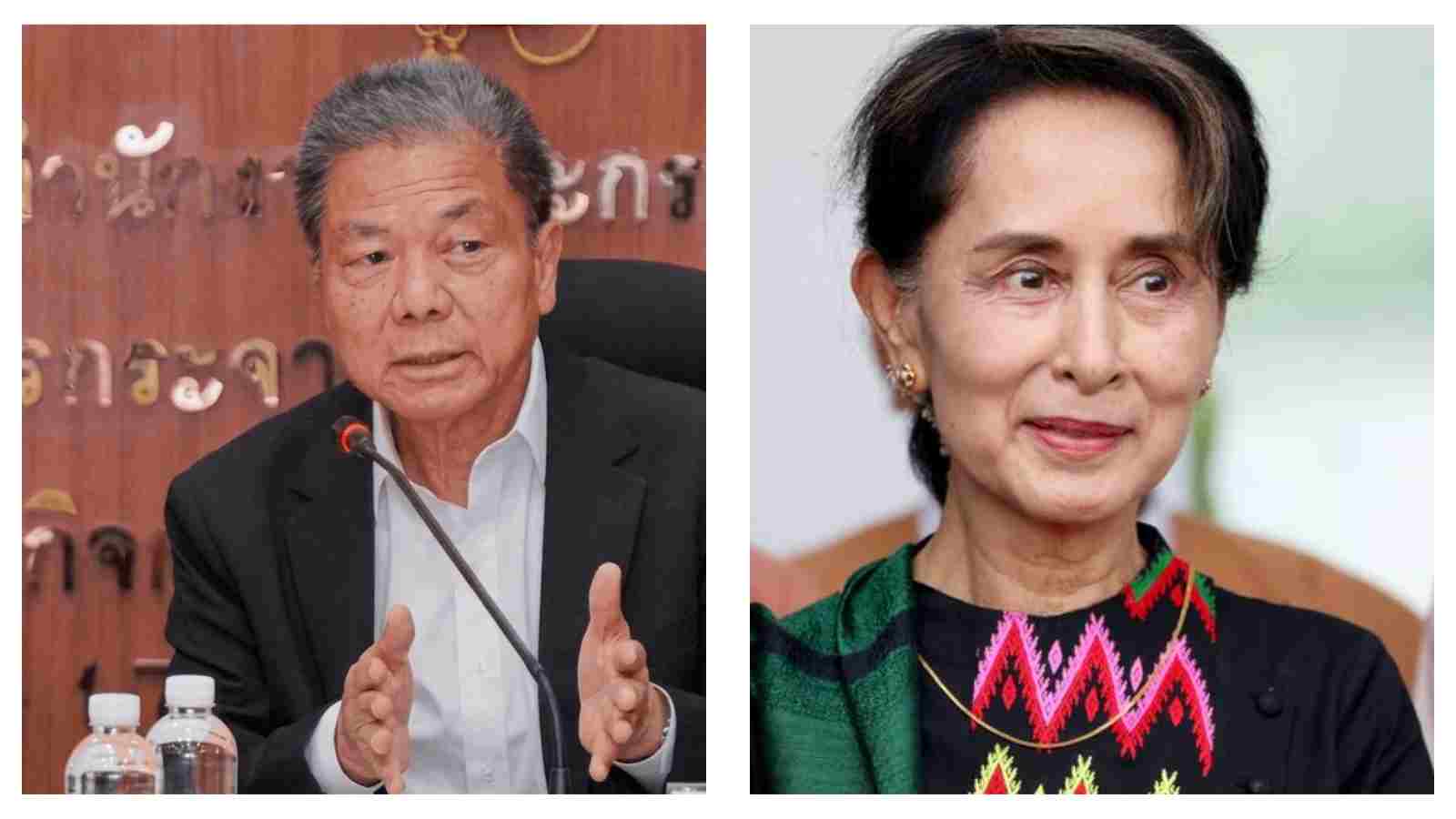
Myanmar’s government has firmly rejected renewed calls from the Association of Southeast Asian Nations (ASEAN) for the immediate and unconditional release of former state counsellor Aung San Suu Kyi, pushing back against regional diplomatic pressure following her meeting with an international humanitarian envoy.
According to the Associated Press, the military regime dismissed the joint appeal issued by ASEAN, maintaining that legal proceedings against the 81-year-old Nobel laureate must take their full course under domestic law.
The response comes shortly after the 2026 ASEAN Chair, the Philippines, issued an official statement calling for the unconditional release of Suu Kyi and all political detainees following her August 3 meeting with the International Committee of the Red Cross (ICRC).
Myanmar warns ASEAN against interference
Nay Pyi Taw warned regional neighbours against interfering in domestic judicial affairs.
Local authorities insisted that the recent access granted to the ICRC representative was strictly humanitarian in nature and should not be interpreted as a step towards political concessions or immediate release.
Questions surrounding envoy mandate
Beyond rejecting the regional bloc’s demand, the junta also questioned the scope and mandate of ASEAN’s special envoy.
Officials challenged attempts to arrange direct political access to Suu Kyi, asserting that external interference risks destabilising ongoing state security efforts and internal administrative plans.
The junta’s firm stance underscores its persistent resistance to ASEAN’s Five-Point Consensus framework.
While regional leaders have attempted to leverage recent humanitarian engagements into broader political dialogues, the military government remains resolute in defining its own timeline for internal governance and proposed elections.
MORE FROM ELAN CASTANARES: ASEAN chair demand release of Aung San Suu Kyi
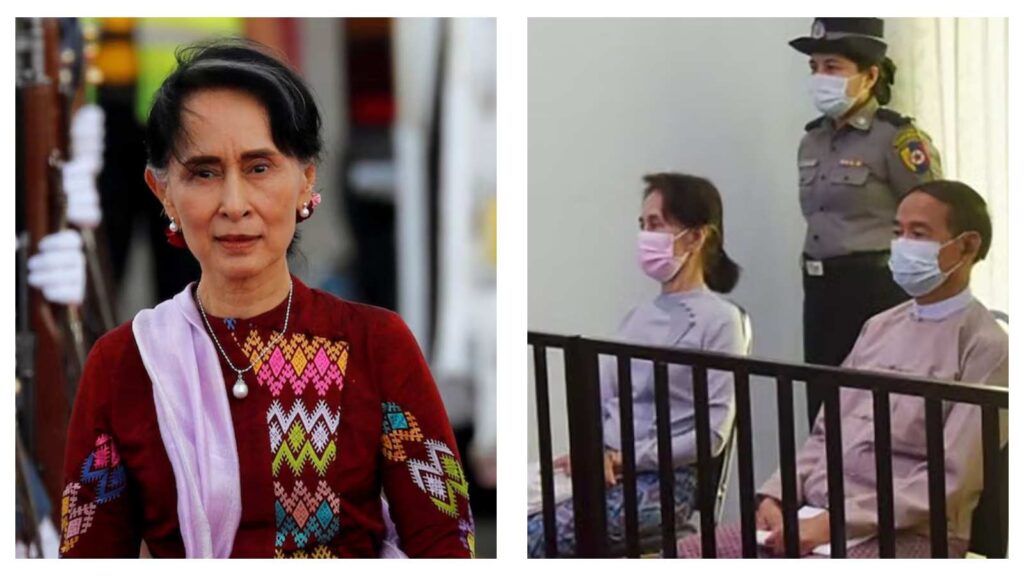
Diplomatic impasse
The response highlights the enduring rift between Myanmar’s leadership and its Southeast Asian neighbours.
Although regional leaders had hoped that the verified encounter between Suu Kyi and foreign representatives might signal a thaw in diplomatic relations, Nay Pyi Taw’s firm position demonstrates that a diplomatic resolution remains distant, leaving ASEAN’s conflict management framework under renewed international scrutiny.
The members of ASEAN are Brunei, Cambodia, Indonesia, Laos, Malaysia, Myanmar, the Philippines, Singapore, Thailand, Timor-Leste and Vietnam.
READ NEXT: A cosmic runway: eclipse, six-planet parade, meteor shower, new moon all at once
 Ian Trinidad
  Eugene Nicklaus S. Laqui
  Newsjustnews writers