
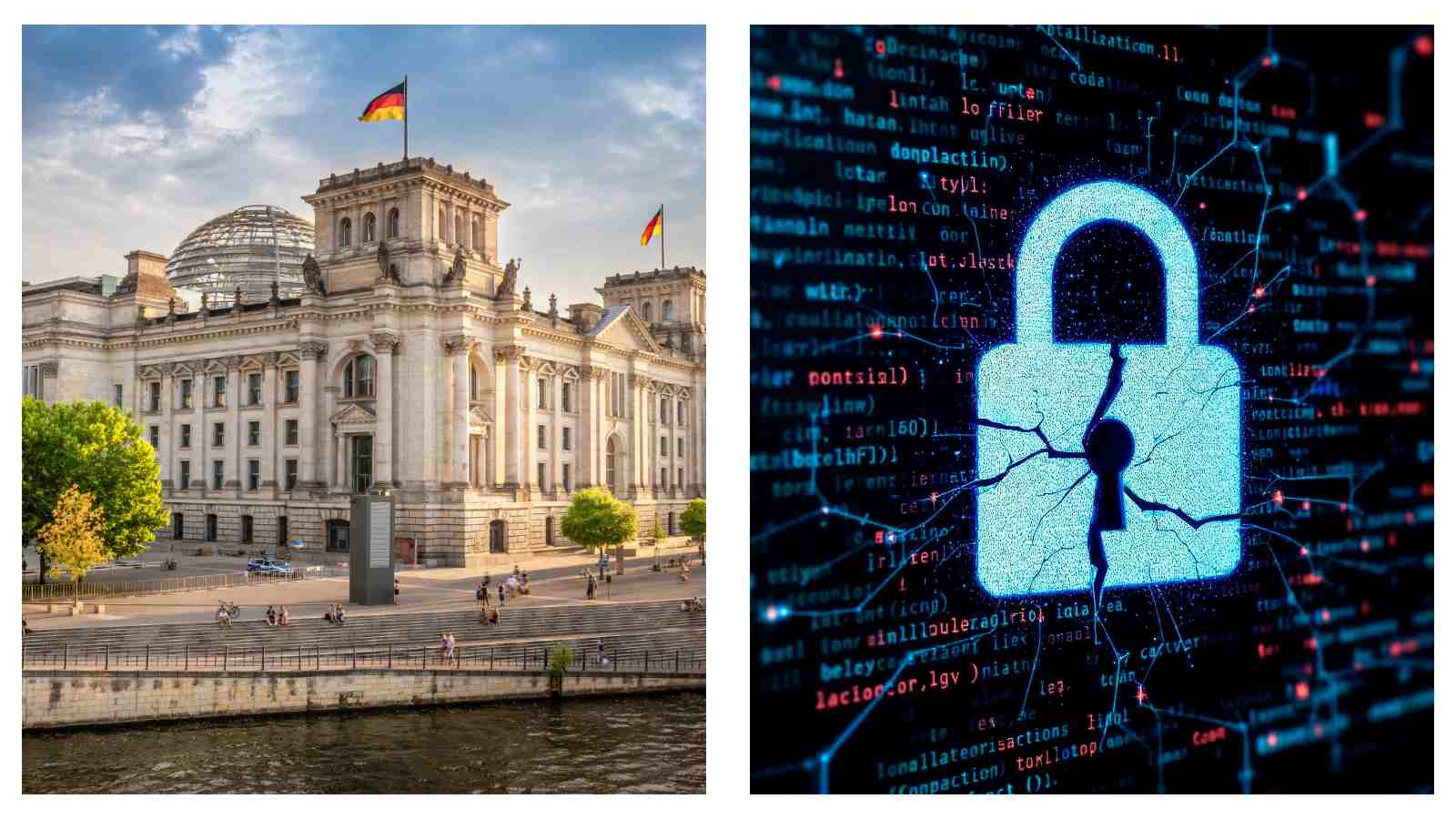
The German federal cabinet has approved a proposed legislation to reform and expand the operational powers of the country’s intelligence services, seeking to equip security agencies against growing threats from foreign cyberattacks, international terrorism and domestic extremism.
The legislative measures mark a decisive shift in Germany’s national security architecture amidst escalating geopolitical risks across Europe.
Strengthening intelligence capabilities
The cabinet’s formal approval enables security agencies, including the Federal Intelligence Service (BND) and the Federal Office for the Protection of the Constitution (BfV), to access broader surveillance tools and enhanced data-processing capabilities.
Under the new draft legislation, security services will gain expanded authority to monitor encrypted communications and perform automated data analysis to detect hybrid threats before they happen, according to Deutsche Welle.
The reform directly responds to a shifting threat landscape characterised by state-sponsored cyber offensives, radicalisation and sabotage targeting critical national infrastructure.
German officials emphasised that modernising digital intelligence tools is essential for maintaining national resilience and keeping pace with increasingly complex technological security challenges.
YOU MAY BE INTERESTED IN: Prince Harry and Meghan to return to UK

Civil liberties, constitutional debate
However, the proposed expansion of state surveillance has reignited intense debate regarding civil liberties and constitutional rights across Germany.
Legal experts and privacy advocates question whether the enhanced investigative powers comply with strict privacy safeguards established by the Federal Constitutional Court.
Opposition lawmakers and human rights organisations have voiced scepticism over data retention policies and automated profiling mechanisms included in the proposed legislation.
Critics argue that without strict independent oversight, expanding the BND and sister agencies’ mandate risks encroaching on fundamental citizen freedoms.
Despite these concerns, the German government maintains that the draft legislation strikes a careful balance between preserving civil liberties and ensuring robust national defence, paving the way for parliamentary debate in the Bundestag later this year.
READ NEXT: UN conducts second informal poll in search for next chief
 Kamille Q. Cabreza
  Jheruleene Anne Ramos
  Wendellyn Mateo