
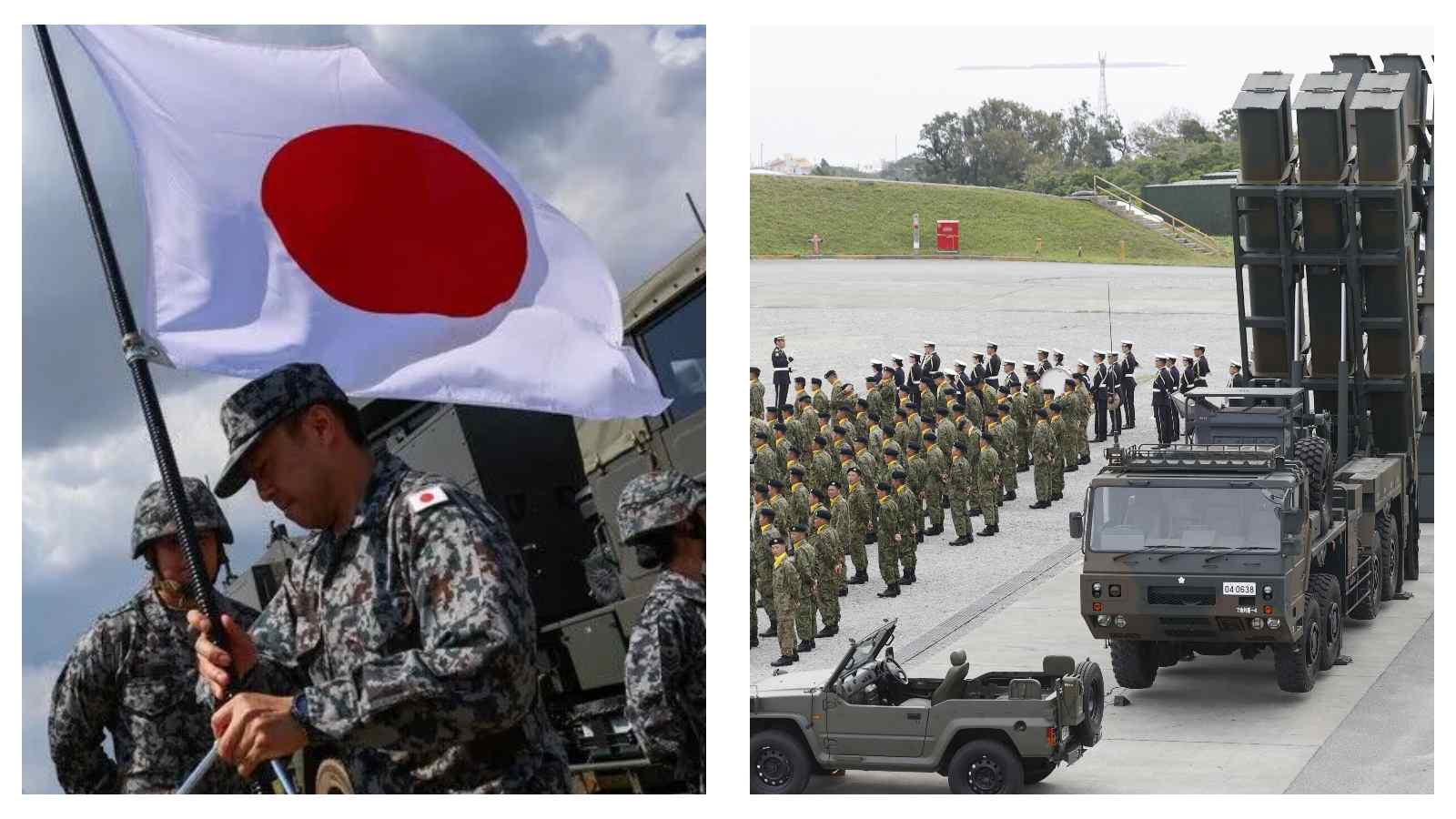
The Japanese Ministry of Defence is eyeing a $55-billion allotment for military expenditures next year amid security fears in the Asia-Pacific.
While the Japan Maritime Self-Defence Force is still considered one of the most capable militaries in Asia, Tokyo is actively pursuing additional military assets and capabilities to strengthen its position in the region, especially amid tensions with China and North Korea.
The defence budget increase is expected to support Japan’s rapid naval modernisation, as well as integrate unmanned systems with its existing military strategy and infrastructure.
Boosting Japan’s navy
Of the ministry’s submitted budget request, about $435 million is allocated for the Japanese Navy’s upcoming guided-missile destroyers set to enter service in 2027.
The Aegis System Equipped Vessels (ASEVs) are 13,000-ton destroyers designed to provide the Japanese islands with ample missile protection from various threats.
With one of the two ships scheduled to sail next year, Tokyo needs sufficient funding to ensure its preparedness once the vessel enters service.
Beyond investing in traditional surface combatants, Tokyo’s military planners have also said they intend to expand the country’s arsenal of stand-off weapons, such as Tomahawk and Type-12 cruise missiles that can be fired from submarines.
Additionally, the Japanese government is planning to procure 17 MQ-9B SeaGuardian drones to strengthen Tokyo’s maritime surveillance with automated intelligence.
YOU MAY ALSO LIKE: German startup Isar Aerospace achieves historic orbital launch

A doctrinal shift
Ideally, the ASEVs, submarines, and MQ-9B drones would provide Tokyo with sufficient firepower and battle space visibility in a potential military conflict.
These target procurements mirror a new strategic reality for the JMSDF and Tokyo’s willingness to adapt to it.
The escalating tensions in the East China Sea and Taiwan Strait highlight the need for the JMSDF to shift its doctrine from a defensive and complementary role to a more proactive posture to maintain Tokyo’s security interests in the region.
Japan’s gradual acquisition of vessels with long-range strike capabilities and submarines for naval screens points to the country’s aim to project power against potential near-peer adversaries.
READ NEXT: Ex-Ecuador president Lenin Moreno denies bribery after guilty verdict
 Angelica N. Hall
  Kamille Q. Cabreza
  Geoffrey H. Latayan